


Key Features
- Cool-season wheat variety grown primarily as an annual cereal crop.
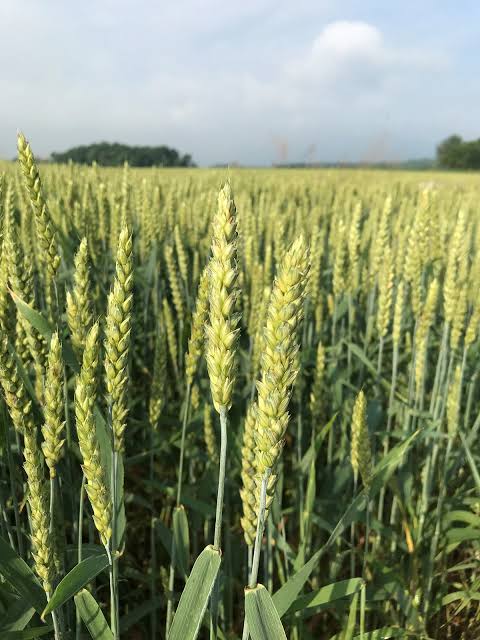
- Produces upright green foliage that matures into golden grain-bearing heads.
- Well suited for larger garden plots, homesteads, field-style plantings, and cover cropping.
- Establishes in fall, remains relatively dormant through winter, then resumes growth in spring.
- Can be grown for grain production, cover cropping, seed saving, or ornamental displays.
Growing Benefits
- Provides a practical crop option for cool-season garden planning.
- Helps make productive use of garden space during the colder months.
- Attractive golden seed heads add seasonal interest to larger landscapes.
- Useful for gardeners interested in growing traditional cereal grains.
- Can contribute plant residue and organic matter when incorporated after harvest.
Seed Specifications
- Common Name: Winter Wheat
- Botanical Name: Triticum aestivum
- Plant Type: Annual cool-season cereal grass
- Colors: Green foliage with golden-brown mature seed heads
- Height: About two to four feet
- Sunlight: Full sun
- Soil: Well-drained, fertile loam with good soil structure
- Water: Moderate; maintain consistent moisture during establishment
- Germination Time: Usually about seven to fourteen days
- Sowing Depth: About one to one-and-a-half inches deep
- Spacing: About six to eight inches between rows for garden planting
- Growing Zones: Generally adaptable across USDA Zones three through ten, depending on variety and local conditions
- Flowering/Maturity: Heads emerge and grain develops in spring; harvest when grain is mature and dry
- Uses: Grain production, cover cropping, homesteading, seed saving, wildlife habitat, and ornamental displays
Growing Tips
- Sow during fall while soil temperatures remain suitable for seed establishment.
- Prepare a fine, well-drained seedbed so roots can establish before winter.
- Avoid excessive watering because saturated soil can interfere with healthy root development.
- Harvest grain only after the heads and kernels have fully matured and dried.
Seed Storage
Store unused winter wheat seeds in a cool, dry, dark location. Keep them in an airtight container or sealed seed packet away from moisture, heat, and direct sunlight. Protect stored seeds from insects and rodents.
Unique Facts About Seeds
- Winter wheat is planted in fall and develops young plants before entering winter dormancy.
- Unlike spring wheat, winter wheat generally requires exposure to cold temperatures before producing grain.
- Wheat is one of the world's major cereal crops and is widely cultivated for human food and animal feed.
- Mature wheat plants produce compact seed heads containing multiple wheat kernels.