Skip to product information
1 of 3

EdenValleySeeds

Winter Wheat Seeds for Planting – Hardy Cereal Grain Seeds for Home Gardens

Winter Wheat Seeds for Planting – Hardy Cereal Grain Seeds for Home Gardens

No reviews yet
Regular price $16.99 USD
Regular price Sale price $16.99 USD
Sale Sold out
size
Quantity
Free shipping on every order Order today and estimated delivery is Sep 15 – Sep 18
Ordered Aug 31
Order Ready Sep 02 – Sep 04
Delivered Sep 15 – Sep 18
✓ Secure checkout ✓ Carefully packed seeds ✓ Tracked delivery ✓ Quality-focused selection

Bundle & Save

Choose a bundle to unlock savings

Up to 20% off

Select a bundle to see your savings

View full details

Key Features

  • Cool-season wheat variety grown primarily as an annual cereal crop.
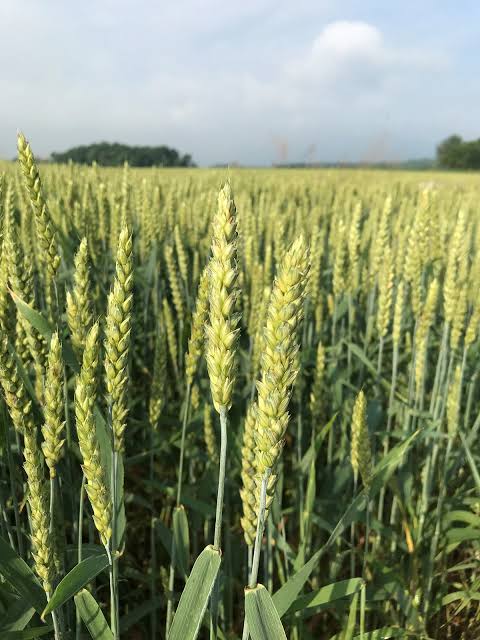
  • Produces upright green foliage that matures into golden grain-bearing heads.
  • Well suited for larger garden plots, homesteads, field-style plantings, and cover cropping.
  • Establishes in fall, remains relatively dormant through winter, then resumes growth in spring.
  • Can be grown for grain production, cover cropping, seed saving, or ornamental displays.

Growing Benefits

  • Provides a practical crop option for cool-season garden planning.
  • Helps make productive use of garden space during the colder months.
  • Attractive golden seed heads add seasonal interest to larger landscapes.
  • Useful for gardeners interested in growing traditional cereal grains.
  • Can contribute plant residue and organic matter when incorporated after harvest.

Seed Specifications

  • Common Name: Winter Wheat
  • Botanical Name: Triticum aestivum
  • Plant Type: Annual cool-season cereal grass
  • Colors: Green foliage with golden-brown mature seed heads
  • Height: About two to four feet
  • Sunlight: Full sun
  • Soil: Well-drained, fertile loam with good soil structure
  • Water: Moderate; maintain consistent moisture during establishment
  • Germination Time: Usually about seven to fourteen days
  • Sowing Depth: About one to one-and-a-half inches deep
  • Spacing: About six to eight inches between rows for garden planting
  • Growing Zones: Generally adaptable across USDA Zones three through ten, depending on variety and local conditions
  • Flowering/Maturity: Heads emerge and grain develops in spring; harvest when grain is mature and dry
  • Uses: Grain production, cover cropping, homesteading, seed saving, wildlife habitat, and ornamental displays

Growing Tips

  • Sow during fall while soil temperatures remain suitable for seed establishment.
  • Prepare a fine, well-drained seedbed so roots can establish before winter.
  • Avoid excessive watering because saturated soil can interfere with healthy root development.
  • Harvest grain only after the heads and kernels have fully matured and dried.

Seed Storage

Store unused winter wheat seeds in a cool, dry, dark location. Keep them in an airtight container or sealed seed packet away from moisture, heat, and direct sunlight. Protect stored seeds from insects and rodents.

Unique Facts About Seeds

  • Winter wheat is planted in fall and develops young plants before entering winter dormancy.
  • Unlike spring wheat, winter wheat generally requires exposure to cold temperatures before producing grain.
  • Wheat is one of the world's major cereal crops and is widely cultivated for human food and animal feed.
  • Mature wheat plants produce compact seed heads containing multiple wheat kernels.

Growing Instructions

Planting Season: Sow winter wheat in fall, several weeks before the first expected hard frost. The ideal timing varies by climate and variety, so local planting conditions should guide sowing.

Sowing: Prepare the planting area by removing weeds and loosening the soil. Broadcast seeds evenly or sow them in rows, then cover with soil.

Depth: Plant seeds approximately one to one-and-a-half inches deep. Avoid planting too deeply, particularly in heavy soil.

Spacing: For garden production, maintain approximately six to eight inches between rows. Avoid overcrowding to encourage good airflow and healthy plant development.

Sunlight: Choose a location receiving full sun throughout the growing season. Adequate sunlight supports vigorous growth and grain development.

Soil: Use fertile, well-drained soil with good structure. Loamy soil enriched with suitable organic matter is generally favorable for wheat production.

Watering: Keep soil moderately moist during germination and early establishment. Once established, water according to rainfall and local conditions, avoiding prolonged waterlogging.

Germination: Seeds commonly emerge within about seven to fourteen days when soil moisture, temperature, and planting depth are suitable.

Transplanting: Winter wheat is normally direct-sown rather than transplanted. Direct sowing allows the plants to establish their root systems before winter.

Fertilizing: Conduct a soil test when possible and provide nutrients according to soil needs. Avoid excessive nitrogen, particularly late in the growing season, as it can encourage weak or overly lush growth.

Care: Keep planting areas relatively weed-free during establishment. Monitor plants for signs of disease, pests, lodging, or poor drainage, and maintain appropriate soil moisture.

Flowering/Maturity: Winter wheat resumes active growth in spring, develops flowering heads, and then fills its kernels. Harvest when the grain is firm, mature, and sufficiently dry, with plants typically turning golden as they approach harvest.