Skip to product information
1 of 3

EdenValleySeeds

White Sweet Clover Flower Seeds for Planting – Fragrant White Blooms for Garden & Meadow

White Sweet Clover Flower Seeds for Planting – Fragrant White Blooms for Garden & Meadow

No reviews yet
Regular price $16.99 USD
Regular price Sale price $16.99 USD
Sale Sold out
Size
Quantity
Free shipping on every order Order today and estimated delivery is Sep 13 – Sep 16
Ordered Aug 29
Order Ready Aug 31 – Sep 02
Delivered Sep 13 – Sep 16
✓ Secure checkout ✓ Carefully packed seeds ✓ Tracked delivery ✓ Quality-focused selection

Bundle & Save

Choose a bundle to unlock savings

Up to 20% off

Select a bundle to see your savings

View full details

Key Features

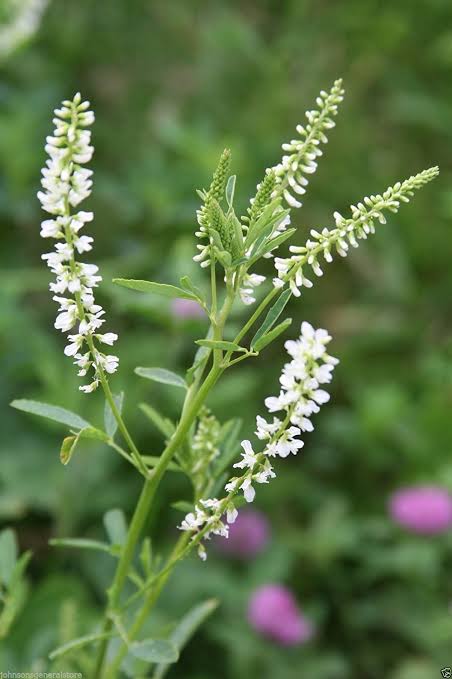
  • Produces clusters of small, fragrant white flowers on tall upright stems
  • Biennial flowering plant with attractive green foliage
  • Excellent choice for meadows, cottage gardens, borders, and naturalized areas
  • Sweetly scented blooms add visual and aromatic interest to outdoor spaces
  • Popular with bees and other pollinating insects during flowering

Growing Benefits

  • Adds elegant white flower spikes to garden and meadow landscapes
  • Creates a soft, naturalized appearance with minimal visual fuss
  • Fragrant blooms provide an appealing sensory element to outdoor spaces
  • Suitable for wildlife-friendly and pollinator-conscious garden designs
  • Works well in sunny, open areas and informal plantings

Seed Specifications

  • Common Name: White Sweet Clover
  • Botanical Name: Melilotus albus
  • Plant Type: Biennial herbaceous flowering plant
  • Colors: White flowers, green foliage
  • Height: Approximately three to six feet
  • Sunlight: Full sun
  • Soil: Well-drained soil; adaptable to various soil types
  • Water: Moderate; drought tolerant once established
  • Germination Time: Approximately seven to fourteen days under favorable conditions
  • Sowing Depth: Approximately one-eighth inch deep
  • Spacing: Approximately twelve to eighteen inches apart
  • Growing Zones: Generally suitable for USDA Zones three through nine
  • Flowering/Maturity: Typically flowers from summer into early fall during its flowering year
  • Uses: Meadows, cottage gardens, naturalized areas, borders, wildlife gardens, and pollinator plantings

Growing Tips

  • Choose a sunny location with well-drained soil for healthy growth.
  • Press seeds lightly into prepared soil and avoid burying them deeply.
  • Keep the soil evenly moist during germination and early establishment.
  • Give mature plants adequate space to develop their tall flowering stems.

Seed Storage

Keep unused seeds in a cool, dry, dark place away from moisture and heat. Store them in an airtight container and label the container with the seed variety and storage date.

Unique Facts About Seeds

  • White sweet clover belongs to the legume family, Fabaceae.
  • Its botanical name is Melilotus albus, distinguishing it from white clover, Trifolium repens.
  • The plant develops long clusters of small, fragrant white flowers.
  • White sweet clover can develop a deep root system, helping it tolerate relatively dry conditions after establishment.

Growing Instructions

Planting Season: Sow in spring when the soil can be worked, or follow local recommendations for fall sowing in suitable climates.

Sowing: Prepare a weed-free seedbed and scatter seeds evenly. Press them gently into the soil so they have good contact with the growing medium.

Depth & Spacing: Sow approximately one-eighth inch deep and allow about twelve to eighteen inches between plants.

Sunlight: Select a location receiving full sun for vigorous growth and better flowering.

Soil: Use well-drained soil. White sweet clover is adaptable and can grow in different soil conditions, provided the site is not persistently waterlogged.

Watering: Keep the soil moderately moist during germination and early growth. Once established, plants can tolerate periods of reduced moisture.

Germination: Seeds generally germinate within approximately seven to fourteen days when moisture, temperature, and soil conditions are favorable.

Transplanting: Direct sowing is recommended because the developing root system can make mature plants more difficult to transplant successfully.

Fertilizing: Heavy fertilization is generally unnecessary. As a legume, white sweet clover forms associations with soil bacteria that help supply nitrogen to the plant.

Care: Remove competing weeds while young plants establish. Provide adequate room for the upright stems and avoid consistently saturated soil.

Flowering/Maturity: White sweet clover is commonly biennial. It generally produces its main flowering display during the second growing season, with fragrant white flower clusters appearing in summer and potentially continuing into early fall.