


Key Features
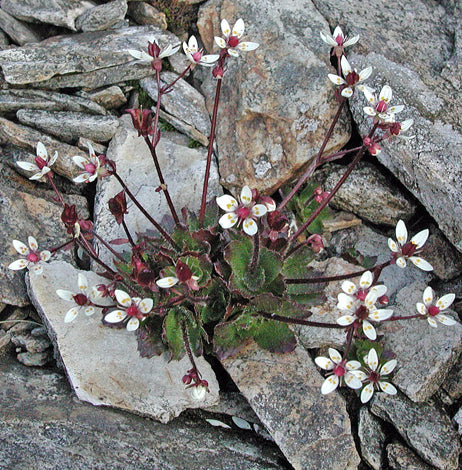
- Delicate alpine perennial known as Starry Saxifrage or Hairy Saxifrage.
- Produces small white, star-shaped flowers marked with distinctive yellow spots.
- Forms loose basal rosettes of fresh green, toothed leaves.
- Naturally suited to cool, wet habitats near mountain streams, springs, and damp rocks.
- An unusual choice for alpine gardens, rock gardens, cool borders, and moisture-retentive spaces.
Growing Benefits
- Adds delicate star-shaped flowers to specialized alpine plantings.
- Creates attractive low-growing foliage in cool, moist garden settings.
- Works beautifully in rock gardens with suitable moisture conditions.
- Offers gardeners an interesting species with strong alpine character.
- Provides an opportunity to grow a distinctive mountain wildflower at home.
Seed Specifications
- Common Name: Starry Saxifrage, Hairy Saxifrage
- Botanical Name: Saxifraga stellaris
- Plant Type: Perennial alpine herb
- Colors: White flowers with yellow spots; green foliage
- Height: Approximately five to twenty centimeters
- Sunlight: Bright light to partial shade; cooler conditions preferred
- Soil: Moist, acidic to lime-poor, well-drained but consistently damp soil
- Water: Regular to consistently moist
- Germination Time: Variable; species-specific seed germination can be slow and irregular
- Sowing Depth: Surface sow or barely cover with fine growing medium
- Spacing: Allow approximately ten to fifteen centimeters between established plants
- Growing Zones: Best suited to cool temperate and alpine conditions; avoid hot climates
- Flowering/Maturity: Generally flowers during the cooler growing season, with timing varying by climate
- Uses: Alpine gardens, rock gardens, moist stonework, streamside plantings, and specialty collections
Growing Tips
- Keep the seed-starting medium consistently moist without allowing stagnant water.
- Provide cool growing conditions and protect seedlings from intense summer heat.
- Use a moisture-retentive but well-aerated medium suitable for alpine plants.
- Avoid disturbing young seedlings unnecessarily because early growth can be delicate.
Seed Storage
Keep seeds in their original packet or an airtight container in a cool, dry, dark location. Protect them from humidity, heat, and direct sunlight. For best results, follow the storage and sowing recommendations supplied with the seed lot.
Unique Facts About Seeds
- Saxifraga stellaris is an arctic-alpine species naturally associated with mountains and cool northern habitats.
- Its white petals characteristically carry two yellow spots near the base, giving the flowers a distinctive appearance.
- The species commonly grows beside streams, springs, wet rocks, and other places where cool water remains available.
- Its flowers have coral-pink to reddish anthers and are visited mainly by flies.