


Key Features
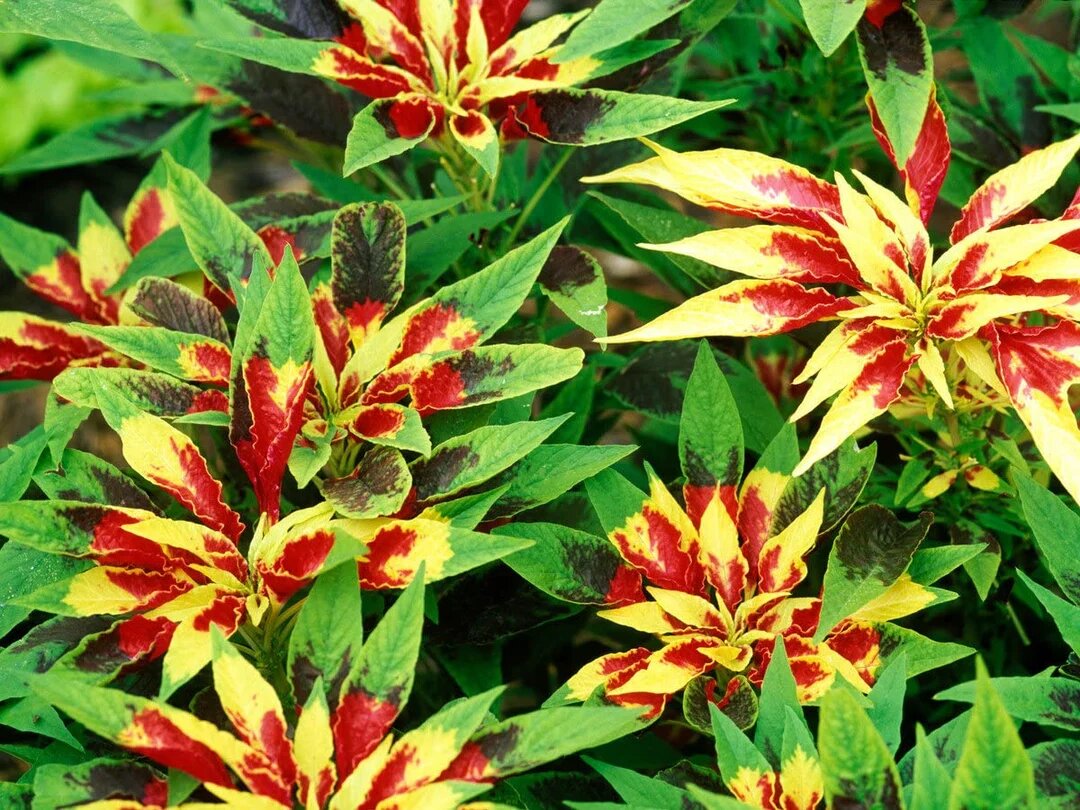
- Produces striking poinsettia plants featuring contrasting red and yellow tones.
- Upright ornamental growth adds seasonal color and visual interest to gardens.
- Best suited to warm climates, containers, patios, and protected garden spaces.
- The colorful display comes from modified leaves called bracts rather than true flowers.
- A distinctive ornamental plant for gardeners who enjoy unusual seasonal color.
Growing Benefits
- Adds bold seasonal color to home gardens and outdoor displays.
- Works beautifully in containers, patios, borders, and sheltered landscapes.
- Provides attractive foliage and colorful bracts during the flowering season.
- Makes an interesting choice for warm-climate ornamental gardening.
- Offers gardeners the rewarding experience of growing poinsettias from seed.
Seed Specifications
- Common Name: Poinsettia, Red Yellow Poinsettia
- Botanical Name: Euphorbia pulcherrima
- Plant Type: Tropical perennial shrub
- Colors: Red and yellow bracts with small yellow-green true flowers
- Height: Commonly reaches several feet when grown in suitable conditions
- Sunlight: Bright light to full sun
- Soil: Fertile, well-drained, slightly acidic to neutral soil
- Water: Moderate and consistent; allow the surface to dry slightly between watering
- Germination Time: Commonly takes several weeks under suitable conditions
- Sowing Depth: Sow very shallowly and lightly cover with fine growing medium
- Spacing: Provide generous room for mature plants to develop naturally
- Growing Zones: Generally suited to USDA Zones nine through eleven
- Flowering/Maturity: Colorful bracts develop as plants mature, typically during shorter-day conditions
- Uses: Containers, patios, ornamental beds, sheltered landscapes, seasonal displays, and decorative gardening
Growing Tips
- Start seeds in a warm, bright location using a clean, well-draining seed-starting medium.
- Keep the growing medium lightly moist while avoiding excessive water.
- Protect young seedlings from cold temperatures, drafts, and sudden environmental changes.
- Gradually introduce established plants to stronger outdoor light before permanent placement.
Seed Storage
Store unused seeds in a cool, dry, dark location inside an airtight container or sealed seed packet. Keep them away from moisture, heat, and direct sunlight. Avoid storing seeds in areas with frequent temperature changes.
Unique Facts About Seeds
- The colorful red and yellow parts of poinsettias are modified leaves called bracts, not petals.
- The true flowers are small, yellow-green structures located at the center of the colorful bracts.
- Poinsettias are native to Mexico and naturally grow as perennial shrubs in warm climates.
- Shorter daylight periods encourage poinsettias to develop their characteristic colorful bracts.