


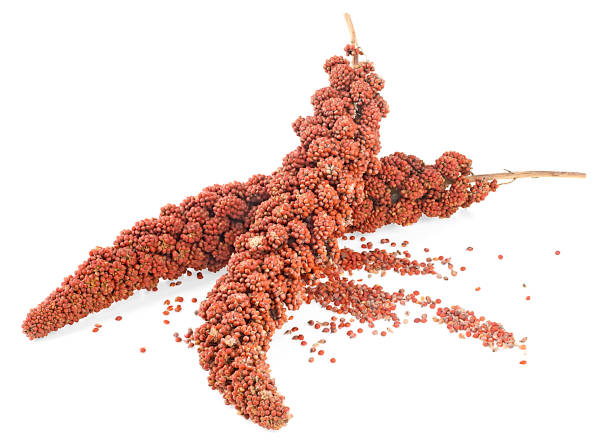
Key Features
- Red sorghum with attractive reddish seed heads and warm-season growth
- Produces upright, grass-like plants with distinctive branched flower panicles
- Excellent for ornamental borders, cottage gardens, wildlife areas, and dried arrangements
- Warm-season annual that performs best in full sunlight and well-drained soil
- Traditional grain crop valued for its versatile garden and agricultural uses
Growing Benefits
- Adds height, texture, and movement to summer garden landscapes
- Attractive seed heads provide seasonal interest from flowering through maturity
- Suitable for gardeners interested in growing traditional grain crops
- Useful as an ornamental feature in borders and natural-style gardens
- Dried seed heads can add rustic character to indoor floral arrangements
Seed Specifications
- Common Name: Red Sorghum, Grain Sorghum, Red Sorghum Flower
- Botanical Name: Sorghum bicolor
- Plant Type: Warm-season annual grass and grain crop
- Colors: Green foliage with reddish to burgundy seed heads
- Height: Commonly reaches several feet tall, depending on variety and growing conditions
Growing Tips
- Sow only after the soil has warmed, as sorghum prefers warm growing conditions.
- Choose a sunny location with good drainage and avoid consistently wet soil.
- Keep the seedbed evenly moist during germination without creating waterlogged conditions.
- Allow adequate space between plants so mature stems and seed heads have room to develop.
Seed Storage
Store unused seeds in a cool, dry, dark location away from heat and moisture. Keep them in a tightly sealed, moisture-resistant container and label the container with the seed variety and storage date.
Unique Facts About Seeds
- Red sorghum belongs to the grass family and is closely related to other cereal grains.
- The botanical name of sorghum is Sorghum bicolor, a species cultivated for both grain and forage.
- Sorghum develops branched flower clusters called panicles rather than typical showy garden flowers.
- The plant is naturally adapted to warm conditions and is widely grown in regions with hot summers.