


Key Features
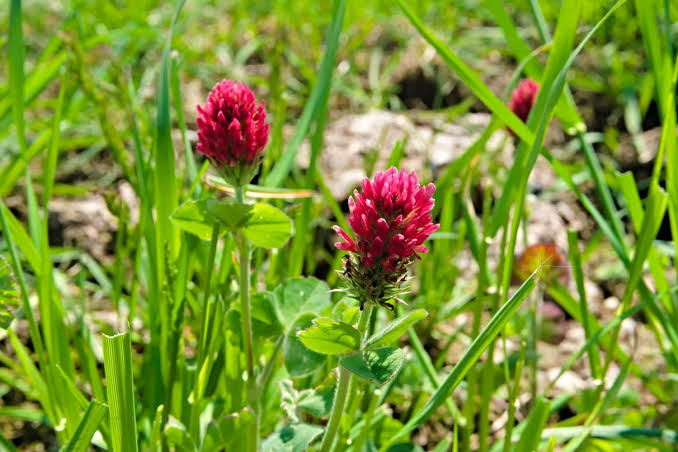
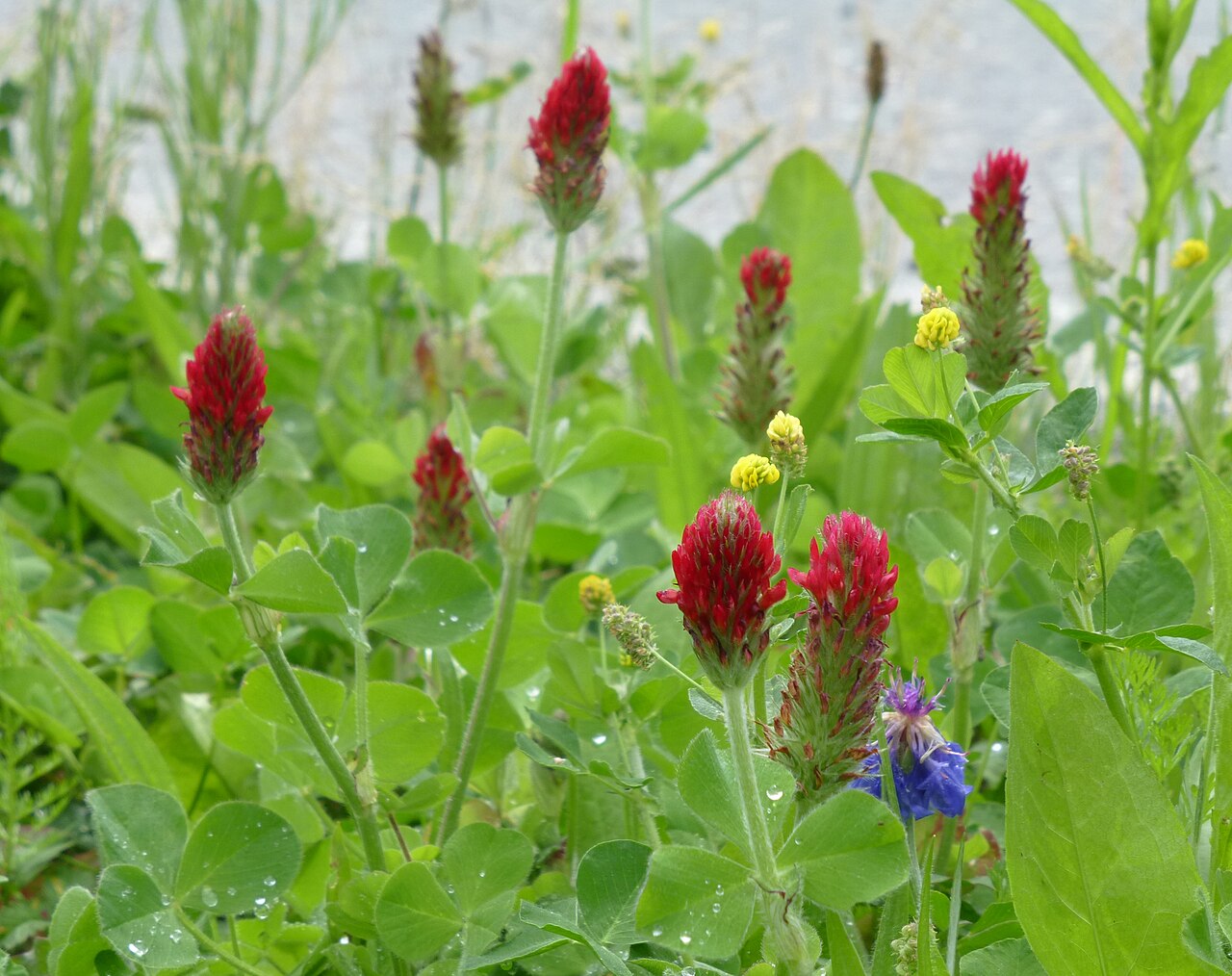
- Produces rounded flower heads in pink to reddish-purple shades
- Perennial clover with attractive green trifoliate leaves
- Excellent for meadows, cottage gardens, borders, and naturalized plantings
- Flowering stems provide nectar for bees and other visiting pollinators
- Creates a soft, natural appearance in informal garden landscapes
Growing Benefits
- Adds colorful clover blooms to sunny garden spaces
- Provides flowering habitat for bees and other pollinating insects
- Works beautifully in meadow-style and cottage garden designs
- Offers attractive green foliage throughout much of the growing season
- Suitable for naturalized areas and informal landscape plantings
Seed Specifications
- Common Name: Red Clover
- Botanical Name: Trifolium pratense
- Plant Type: Short-lived perennial herbaceous plant
- Colors: Pink, rose, and reddish-purple flowers; green foliage
- Height: Approximately twelve to twenty-four inches
- Sunlight: Full sun to partial shade
- Soil: Well-drained, moderately fertile soil
- Water: Moderate; keep soil evenly moist during establishment
- Germination Time: Approximately seven to fourteen days under favorable conditions
- Sowing Depth: Surface sow or cover very lightly with soil
- Spacing: Approximately six to twelve inches apart
- Growing Zones: Generally suitable for USDA Zones three through nine
- Flowering/Maturity: Usually flowers from late spring through summer, depending on climate
- Uses: Meadows, borders, cottage gardens, pollinator gardens, naturalized areas, and ground cover
Growing Tips
- Choose a sunny location with well-drained soil for stronger flowering.
- Press the small seeds gently into the soil rather than burying them deeply.
- Keep the seedbed evenly moist until seedlings become established.
- Remove competing weeds during early growth to give seedlings room to develop.
Seed Storage
Store unused seeds in a cool, dry, dark location away from moisture and direct sunlight. Keep them in a sealed container and protect them from heat and humidity.
Unique Facts About Seeds
- Red clover belongs to the legume family, Fabaceae.
- Its botanical name is Trifolium pratense, meaning meadow clover.
- The plant typically produces rounded flower heads made up of many small individual flowers.
- Red clover leaves usually have three leaflets and may display a pale crescent-shaped marking.