


Key Features
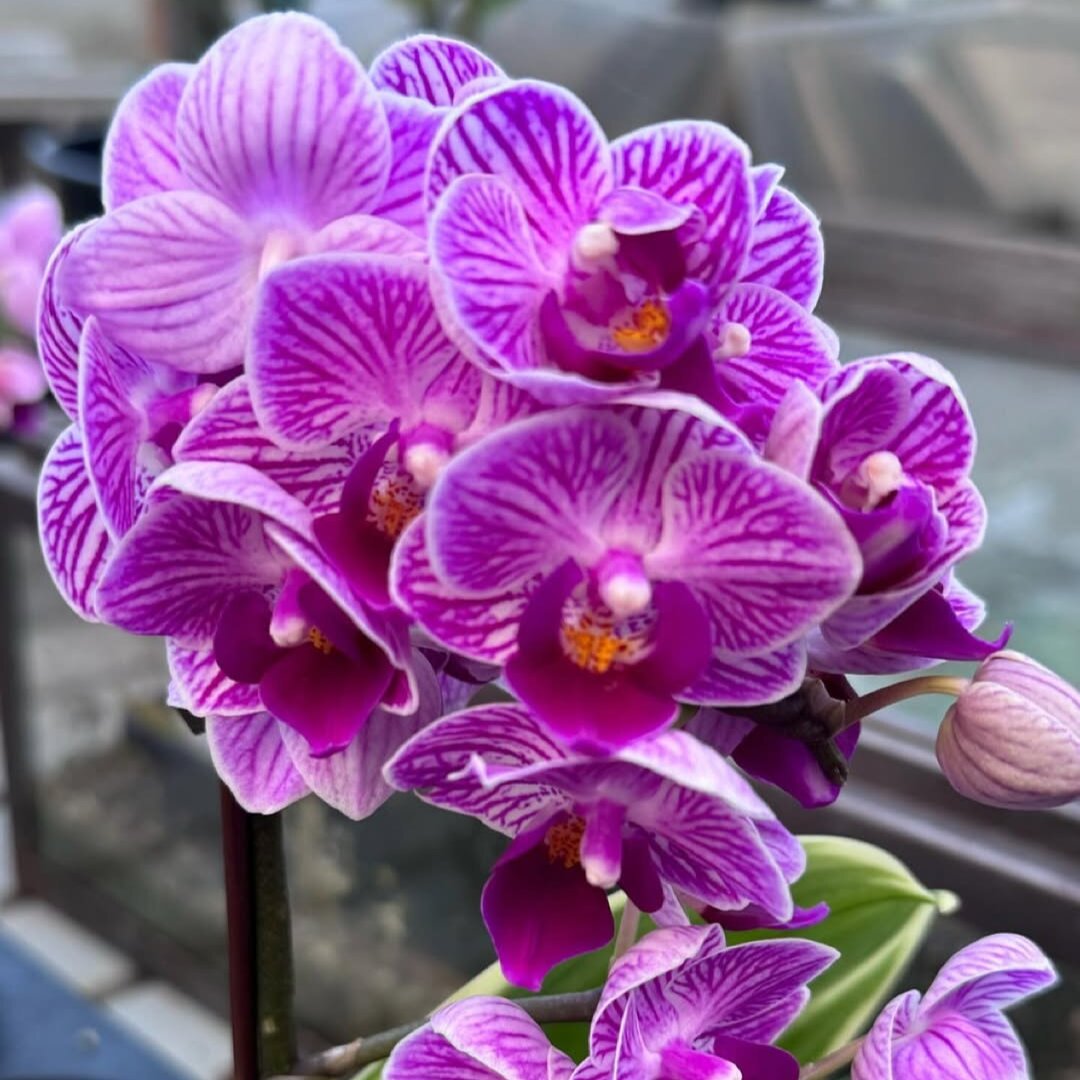
- Produces elegant purple orchid-style flowers with distinctive, graceful blooms.
- Adds an exotic and ornamental touch to indoor or outdoor garden displays.
- Attractive flower form makes it suitable for decorative pots and floral collections.
- Ideal for gardeners interested in growing unusual and visually striking flowers.
- Purple blooms create a sophisticated focal point in ornamental plantings.
Growing Benefits
- Adds beautiful purple color to your ornamental plant collection.
- Provides an interesting project for gardeners who enjoy unusual flowers.
- Suitable for decorative containers and carefully managed growing spaces.
- Creates an elegant display when grown under suitable conditions.
- Offers an opportunity to explore orchid cultivation from seed.
Seed Specifications
- Common Name: Purple Orchid
- Botanical Name: Orchidaceae species; exact species depends on seed source
- Plant Type: Ornamental flowering plant
- Colors: Purple, lavender, and violet shades
- Height: Varies by orchid species
- Sunlight: Bright, indirect light
- Soil: Orchid-appropriate, porous, well-draining growing medium
- Water: Moderate moisture with good drainage; avoid waterlogging
- Germination Time: Highly variable and dependent on orchid species and growing conditions
- Sowing Depth: Surface sowing; orchid seeds require specialized conditions
- Spacing: Depends on species and growing method
- Growing Zones: Varies by species; many orchids require frost-free or protected conditions
- Flowering/Maturity: Species dependent and generally requires an extended growing period
- Uses: Ornamental displays, containers, indoor collections, conservatories, and decorative gardens
4 Growing Tips
- Use a sterile, well-draining orchid growing medium rather than ordinary garden soil.
- Provide bright filtered light while protecting developing plants from harsh direct sun.
- Maintain appropriate humidity and avoid keeping the growing medium continuously waterlogged.
- Be patient, as orchids grown from seed can require specialized care and considerable time.
Seed Storage
Store orchid seeds in a cool, dry, dark place in a sealed container. Protect them from moisture, heat, and direct sunlight. Because orchid seeds can be particularly sensitive and species-specific, follow the supplier's storage recommendations whenever available.
Unique Facts About Seeds
- Orchid seeds are extremely small and contain little to no stored food for developing seedlings.
- Many orchids naturally depend on relationships with specialized fungi to support seed germination.
- Orchidaceae is one of the largest flowering plant families, containing a remarkable diversity of species.
- Orchid flowers are often highly specialized for attracting particular pollinators.