Skip to product information
1 of 2

EdenValleySeeds

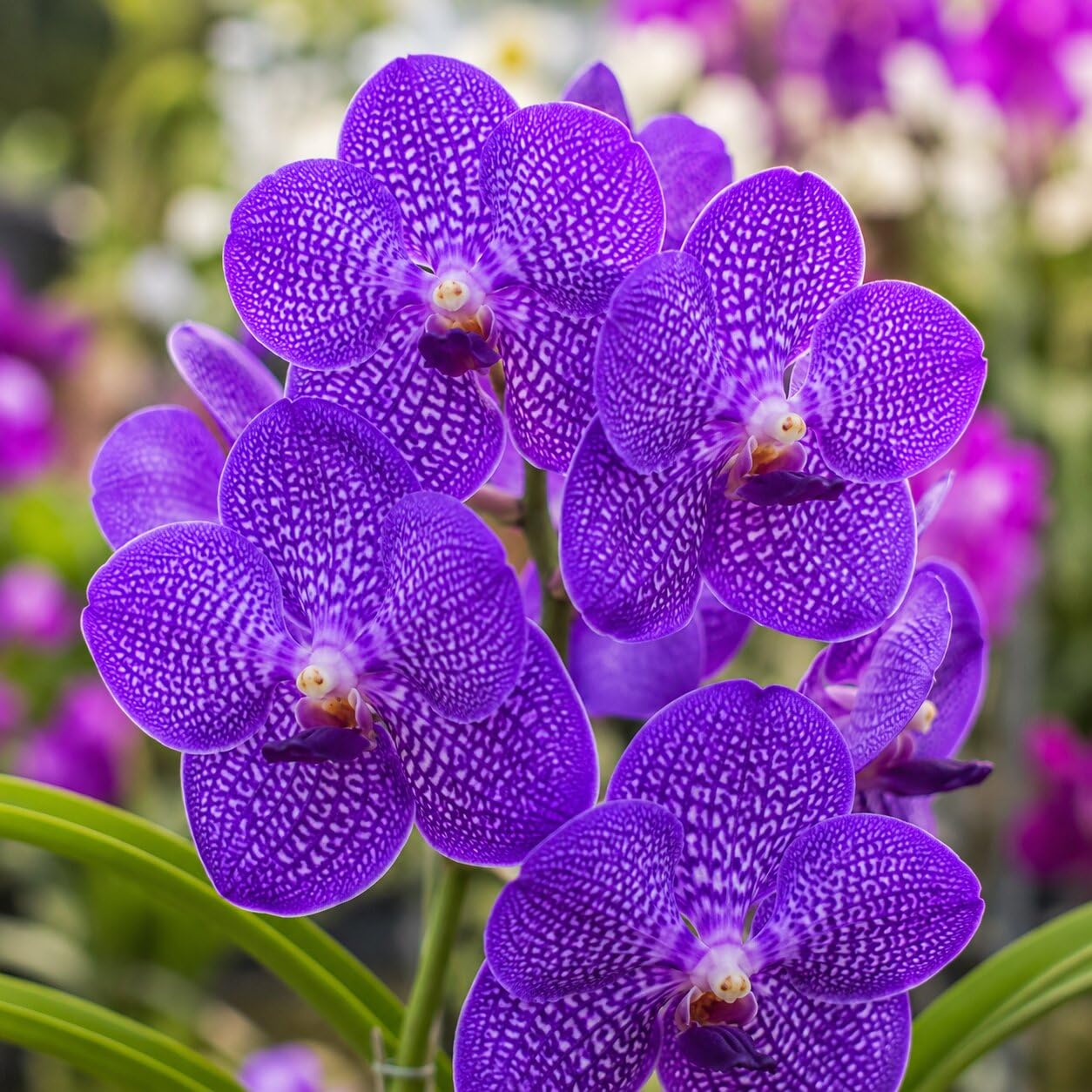
Purple Ascocentrum Flower Seeds for Planting – Exotic Vanda Orchid Seeds

Purple Ascocentrum Flower Seeds for Planting – Exotic Vanda Orchid Seeds

No reviews yet
Regular price $16.99 USD
Regular price Sale price $16.99 USD
Sale Sold out
Size
Quantity
Free shipping on every order Order today and estimated delivery is Sep 15 – Sep 18
Ordered Aug 31
Order Ready Sep 02 – Sep 04
Delivered Sep 15 – Sep 18
✓ Secure checkout ✓ Carefully packed seeds ✓ Tracked delivery ✓ Quality-focused selection

Bundle & Save

Choose a bundle to unlock savings

Up to 20% off

Select a bundle to see your savings

View full details

Key Features

  • Exotic orchid variety known for vivid purple-toned flowers and compact growth.
  • Formerly classified under Ascocentrum, now included within the genus Vanda.
  • Epiphytic orchid with fleshy aerial roots adapted to humid environments.
  • Beautiful choice for orchid collections, greenhouses, conservatories, and tropical gardens.
  • Produces distinctive, colorful blooms with an elegant ornamental appearance.

Growing Benefits

  • Adds striking tropical color to orchid collections and garden displays.
  • Compact growth makes it appealing for dedicated orchid growing spaces.
  • A fascinating choice for gardeners interested in unusual orchid species.
  • Attractive aerial roots and foliage provide year-round ornamental interest.
  • Offers an engaging growing project for experienced orchid enthusiasts.

Seed Specifications

Common Name: Purple Ascocentrum Orchid
Botanical Name: Vanda, formerly classified in Ascocentrum
Plant Type: Epiphytic orchid
Colors: Purple to purple-toned flowers, depending on species
Height: Compact growth varies by species
Sunlight: Bright light with protection from intense midday sun
Soil: Orchid bark, coarse epiphytic medium, or mounted growing conditions
Water: Regular watering with good drainage and drying between waterings
Germination Time: Variable; orchid seeds require specialized germination conditions
Sowing Depth: Surface sowing; do not bury the tiny seeds
Spacing: Allow sufficient room for aerial roots and mature growth
Growing Zones: Tropical and subtropical conditions; protected culture in cooler regions
Flowering/Maturity: Species dependent and typically requires established mature plants
Uses: Orchid collections, greenhouse displays, conservatories, and ornamental growing

Growing Tips

  • Use a sterile orchid propagation medium rather than ordinary garden soil.
  • Provide bright filtered light and good air movement around the plant.
  • Keep growing conditions humid while avoiding stagnant, waterlogged roots.
  • Handle orchid seeds carefully because they are extremely small and delicate.

Seed Storage

Store seeds in a cool, dry, dark location inside a tightly sealed container. Protect them from moisture, heat, and direct sunlight. Orchid seeds are delicate, so use them as fresh as practical and avoid repeated exposure to humid air.

Unique Facts About Seeds

  • Orchid seeds are exceptionally tiny and contain very little stored food for the developing embryo.
  • Many orchids depend on specialized fungi for natural seed germination and early development.
  • Ascocentrum is no longer generally accepted as a separate genus; Kew treats it as a synonym within Vanda.
  • Former Ascocentrum orchids are generally compact vandaceous plants with aerial roots and colorful flowers.

Growing Instructions

Planting Season: Sow when warm, humid growing conditions can be maintained consistently. Tropical and subtropical conditions are most suitable.

Sowing: Orchid seeds are extremely fine and should be handled carefully. Unlike conventional garden seeds, they are not normally started in ordinary potting soil. Successful propagation commonly requires sterile laboratory-style media or specialized orchid propagation techniques.

Depth: Surface sow the seeds rather than covering them with soil or bark. Their tiny size makes deep planting unsuitable.

Spacing: For propagation, spacing is generally controlled by the sterile culture method rather than conventional garden spacing. Once seedlings develop, provide enough room for roots and foliage.

Sunlight: Established plants prefer bright light with protection from harsh midday exposure. Former Ascocentrum types can tolerate relatively strong light when properly acclimated.

Soil: Do not use dense garden soil. Established plants are better suited to coarse, free-draining orchid media or mounted epiphytic culture. Vanda relatives naturally grow on trees or other elevated surfaces rather than as conventional soil-rooted plants.

Watering: Water thoroughly while allowing excess moisture to drain away. Maintain humidity and good airflow, and avoid leaving roots in stagnant water.

Germination: Germination is specialized for orchids. Natural germination commonly involves a suitable fungal association, while cultivated orchid seeds are often germinated using sterile nutrient media.

Transplanting: Move established seedlings only after they have developed sufficient roots and foliage to tolerate handling. Acclimate young plants gradually to normal greenhouse or growing conditions.

Fertilizing: Once actively growing, use a suitable orchid fertilizer at a light, diluted rate according to the product instructions. Avoid heavy feeding.

Care: Maintain humidity, airflow, bright filtered light, and excellent drainage. Avoid damaging the aerial roots, which are important for water and nutrient uptake.

Flowering/Maturity: Flowering depends strongly on the exact species, growing conditions, and maturity of the plant. Seed-grown orchids generally require substantially more time to reach flowering size than established plants.