


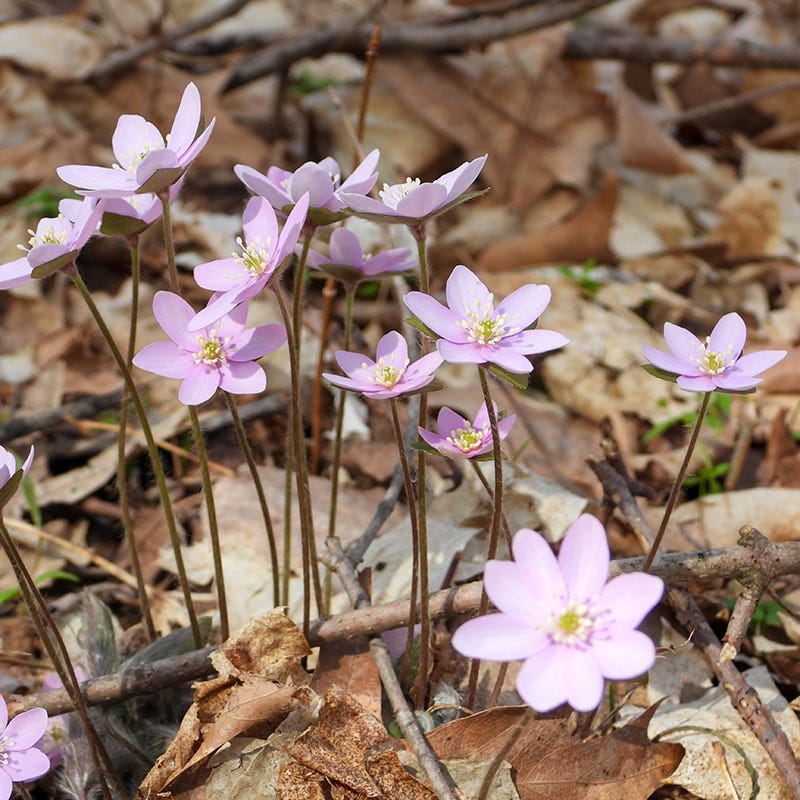
Key Features
- Delicate pink and white blooms bring a soft woodland charm to spring gardens.
- Low-growing herbaceous perennial with attractive lobed foliage and an elegant clumping habit.
- Ideal for shaded woodland gardens, cottage gardens, rock gardens, and naturalized planting areas.
- Early spring flowers provide welcome color before many other garden plants begin blooming.
- A distinctive perennial wildflower valued for its graceful appearance and long-lived garden presence.
Growing Benefits
- Creates beautiful early-season color in shaded and partially shaded garden spaces.
- Works well beneath trees, along woodland paths, and in naturalistic borders.
- Compact growth makes it suitable for smaller garden areas and rockery planting.
- Perennial growth can provide recurring seasonal interest when established successfully.
- Flowers can provide pollen resources for small bees and other pollinating insects.
Seed Specifications
- Common Name: Pink White Hepatica, Hepatica, Liverleaf
- Botanical Name: Hepatica species
- Plant Type: Herbaceous perennial wildflower
- Colors: Pink and white
- Height: About four to nine inches, depending on species and growing conditions
- Sunlight: Partial shade to dappled shade
- Soil: Moist, well-drained, humus-rich woodland soil
- Water: Keep evenly moist without allowing the soil to remain waterlogged
- Germination Time: Slow and variable; may require seasonal temperature changes
- Sowing Depth: Surface sow or cover very lightly with fine soil
- Spacing: Allow about six to twelve inches between established plants
- Growing Zones: Generally suited to USDA Zones three through eight, depending on species
- Flowering/Maturity: Early spring flowering; seed-grown plants may take time to mature
- Uses: Woodland gardens, shaded borders, rock gardens, cottage gardens, naturalized areas
Growing Tips
- Sow fresh seeds when possible because Hepatica seeds can have complex dormancy requirements.
- Keep the seed-starting medium consistently moist but never saturated.
- Provide bright filtered light or dappled shade rather than harsh afternoon sun.
- Avoid disturbing young roots once seedlings become established.
Seed Storage
Store unused seeds in a cool, dry, dark location inside a tightly sealed seed packet or airtight container. Protect them from moisture, heat, and direct sunlight. Because Hepatica seeds can lose viability when stored improperly, sowing fresh seed is often preferable.
Unique Facts About Seeds
- Hepatica seeds can exhibit dormancy that makes germination slower and less predictable than many common garden flowers.
- The plant belongs to the buttercup family, Ranunculaceae.
- Hepatica produces small dry fruits called achenes, with each fruit containing a single seed.
- Hepatica is valued as an early spring woodland flower, with blooms appearing before many later-season perennials.