Skip to product information
1 of 2

EdenValleySeeds

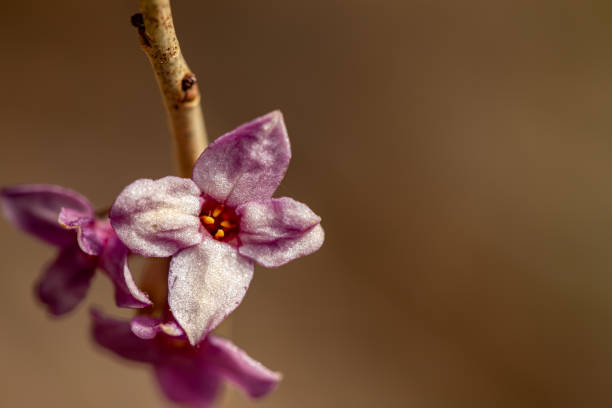
Pink Trifoliate Forsythia Flower Seeds for Planting – Heirloom Non-GMO Garden Seeds

Pink Trifoliate Forsythia Flower Seeds for Planting – Heirloom Non-GMO Garden Seeds

No reviews yet
Regular price $16.99 USD
Regular price Sale price $16.99 USD
Sale Sold out
Size
Quantity
Free shipping on every order Order today and estimated delivery is Sep 15 – Sep 18
Ordered Aug 31
Order Ready Sep 02 – Sep 04
Delivered Sep 15 – Sep 18
✓ Secure checkout ✓ Carefully packed seeds ✓ Tracked delivery ✓ Quality-focused selection

Bundle & Save

Choose a bundle to unlock savings

Up to 20% off

Select a bundle to see your savings

View full details

Key Features

  • Ornamental deciduous shrub with an attractive trifoliate leaf form.
  • Produces delicate pink-toned flowers for early-season garden interest.
  • Graceful branching habit works beautifully in borders and cottage gardens.
  • Suitable for specimen planting, informal hedges, and ornamental landscapes.
  • A distinctive choice for gardeners growing flowering shrubs from seed.

Growing Benefits

  • Adds seasonal color and structure to home garden landscapes.
  • Creates an attractive backdrop for mixed borders and shrub beds.
  • Provides a charming early-season display when established successfully.
  • Offers an interesting woody plant project for patient gardeners.
  • Adaptable to well-drained garden soils with suitable moisture.

Seed Specifications

  • Common Name: Pink Trifoliate Forsythia
  • Botanical Name: Forsythia suspensa
  • Plant Type: Deciduous flowering shrub
  • Colors: Pink-toned flowers; green foliage
  • Height: Commonly around three meters when grown as a free-standing shrub
  • Sunlight: Full sun to partial shade
  • Soil: Well-drained, moderately fertile soil
  • Water: Moderate moisture during establishment; avoid waterlogging
  • Germination Time: Variable; seed germination can be slow and irregular
  • Sowing Depth: Sow very shallowly and lightly cover with fine growing medium
  • Spacing: Allow generous spacing for the mature shrub's spreading habit
  • Growing Zones: Generally suitable for USDA Zones five through eight
  • Flowering/Maturity: Flowers in early spring; maturity requires several growing seasons
  • Uses: Ornamental borders, specimen planting, informal hedges, cottage gardens, and landscape planting

Growing Tips

  • Provide bright sunlight and well-drained soil for healthy establishment.
  • Keep the growing medium evenly moist without allowing standing water.
  • Be patient with seed germination, as woody shrub seeds may emerge unevenly.
  • Transplant young seedlings carefully after they develop a strong root system.

Seed Storage

Store seeds in a cool, dry, dark location away from humidity and direct sunlight. Keep them in a tightly sealed, labeled seed packet or airtight container until planting.

Unique Facts About Seeds

  • Forsythia belongs to the olive family, Oleaceae, rather than the rose family.
  • Forsythia seeds are produced inside capsules and can be slightly winged.
  • Some Forsythia species have leaves that can be deeply divided into three parts.
  • Forsythia flowers generally appear before the new foliage in early spring.

Growing Instructions

Planting Season: Sow in spring after cold weather has passed, or use an appropriate cold-stratification method when recommended for the seed lot.

Sowing: Use a clean seed-starting mix in trays or small containers. Scatter seeds over the surface and press them gently into the growing medium.

Depth: Sow very shallowly and cover only lightly, as small seeds generally benefit from access to light and should not be buried deeply.

Spacing: Allow enough room between seedlings to prevent crowding. Transplant established seedlings into their permanent location with adequate space for the mature shrub.

Sunlight: Choose a location receiving full sun to partial shade. Forsythia generally flowers best with good sunlight.

Soil: Use fertile or moderately fertile soil with good drainage. Avoid permanently wet or waterlogged conditions.

Watering: Keep newly sown seeds and young seedlings evenly moist. Once established, water according to soil moisture and local weather conditions.

Germination: Germination may be slow and uneven because woody ornamental seeds can require specific dormancy-breaking conditions. Avoid disturbing the seedbed while waiting for emergence.

Transplanting: Move seedlings once they are well established and have developed a healthy root system. Harden plants gradually before placing them outdoors.

Fertilizing: Feed established plants lightly in spring with a balanced garden fertilizer when growth begins. Avoid excessive fertilizer, which can encourage leafy growth at the expense of flowering.

Care: Maintain good drainage and remove competing weeds around young plants. Forsythia flowers on older wood, so pruning is generally best carried out after flowering.

Flowering and Maturity: Established plants typically produce their seasonal flowers in early spring. Seed-grown shrubs require patience and several growing seasons before reaching mature flowering size.