


Key Features
- Ornamental deciduous shrub with an attractive trifoliate leaf form.
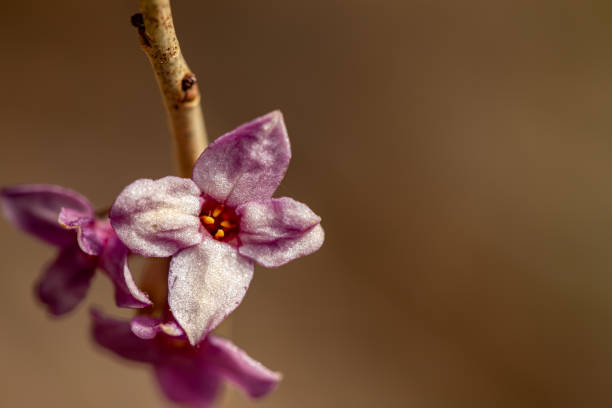
- Produces delicate pink-toned flowers for early-season garden interest.
- Graceful branching habit works beautifully in borders and cottage gardens.
- Suitable for specimen planting, informal hedges, and ornamental landscapes.
- A distinctive choice for gardeners growing flowering shrubs from seed.
Growing Benefits
- Adds seasonal color and structure to home garden landscapes.
- Creates an attractive backdrop for mixed borders and shrub beds.
- Provides a charming early-season display when established successfully.
- Offers an interesting woody plant project for patient gardeners.
- Adaptable to well-drained garden soils with suitable moisture.
Seed Specifications
- Common Name: Pink Trifoliate Forsythia
- Botanical Name: Forsythia suspensa
- Plant Type: Deciduous flowering shrub
- Colors: Pink-toned flowers; green foliage
- Height: Commonly around three meters when grown as a free-standing shrub
- Sunlight: Full sun to partial shade
- Soil: Well-drained, moderately fertile soil
- Water: Moderate moisture during establishment; avoid waterlogging
- Germination Time: Variable; seed germination can be slow and irregular
- Sowing Depth: Sow very shallowly and lightly cover with fine growing medium
- Spacing: Allow generous spacing for the mature shrub's spreading habit
- Growing Zones: Generally suitable for USDA Zones five through eight
- Flowering/Maturity: Flowers in early spring; maturity requires several growing seasons
- Uses: Ornamental borders, specimen planting, informal hedges, cottage gardens, and landscape planting
Growing Tips
- Provide bright sunlight and well-drained soil for healthy establishment.
- Keep the growing medium evenly moist without allowing standing water.
- Be patient with seed germination, as woody shrub seeds may emerge unevenly.
- Transplant young seedlings carefully after they develop a strong root system.
Seed Storage
Store seeds in a cool, dry, dark location away from humidity and direct sunlight. Keep them in a tightly sealed, labeled seed packet or airtight container until planting.
Unique Facts About Seeds
- Forsythia belongs to the olive family, Oleaceae, rather than the rose family.
- Forsythia seeds are produced inside capsules and can be slightly winged.
- Some Forsythia species have leaves that can be deeply divided into three parts.
- Forsythia flowers generally appear before the new foliage in early spring.