


Key Features
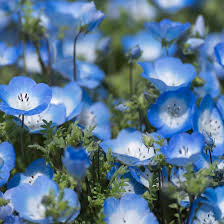
- Produces vivid blue, bell-shaped flowers with attractive dark centers.
- Low-growing annual with branching stems and softly textured foliage.
- Excellent for rock gardens, containers, borders, cottage gardens, and pollinator-friendly spaces.
- Performs best in full sun with well-drained soil.
- Compact growth makes it suitable for smaller garden spaces and decorative containers.
Growing Benefits
- Adds striking blue color to seasonal garden displays.
- Compact habit works well in containers and smaller planting areas.
- Provides nectar for bees and other visiting pollinators.
- Suitable for beginner gardeners seeking an attractive annual flower.
- Adds texture and contrast to mixed beds, borders, and rock gardens.
Seed Specifications
- Common Name: California Bluebell, Desert Bluebell
- Botanical Name: Phacelia campanularia
- Plant Type: Annual flowering plant
- Colors: Bright blue to deep violet-blue
- Height: Approximately six to twelve inches
- Sunlight: Full sun
- Soil: Well-drained, sandy or moderately fertile soil
- Water: Low to moderate once established
- Germination Time: Approximately seven to twenty-one days under favorable conditions
- Sowing Depth: Approximately one-eighth inch
- Spacing: Approximately six to eight inches
- Growing Zones: Commonly grown as an annual; suitable timing varies by climate
- Flowering/Maturity: Often flowers during spring or early summer under suitable conditions
-
Uses: Rock gardens, containers, borders, cottage gardens, pollinator gardens, and naturalized plantings
Growing Tips
- Choose a sunny location with excellent soil drainage.
- Sow seeds shallowly and cover them lightly with soil.
- Keep the soil lightly moist during germination without creating soggy conditions.
- Thin seedlings to provide enough room for compact plants to develop.
Seed Storage
Store unused seeds in a cool, dry, dark place. Keep them in their original packet or an airtight container protected from moisture, heat, and direct sunlight.
Unique Facts About Seeds
- Phacelia campanularia is commonly called California bluebell or desert bluebell.
- It is native to the southwestern United States, including parts of California and Arizona.
- The species belongs to the borage family, Boraginaceae.
- Its intense blue flowers make it especially distinctive among annual wildflowers