


Key Features
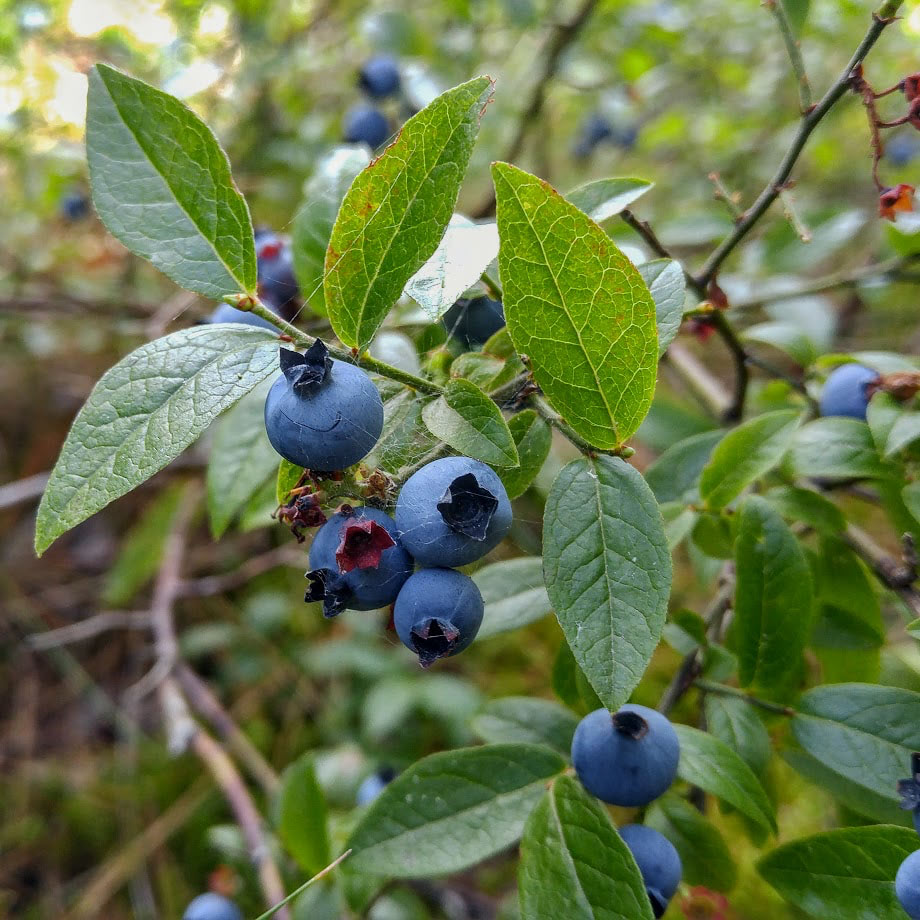
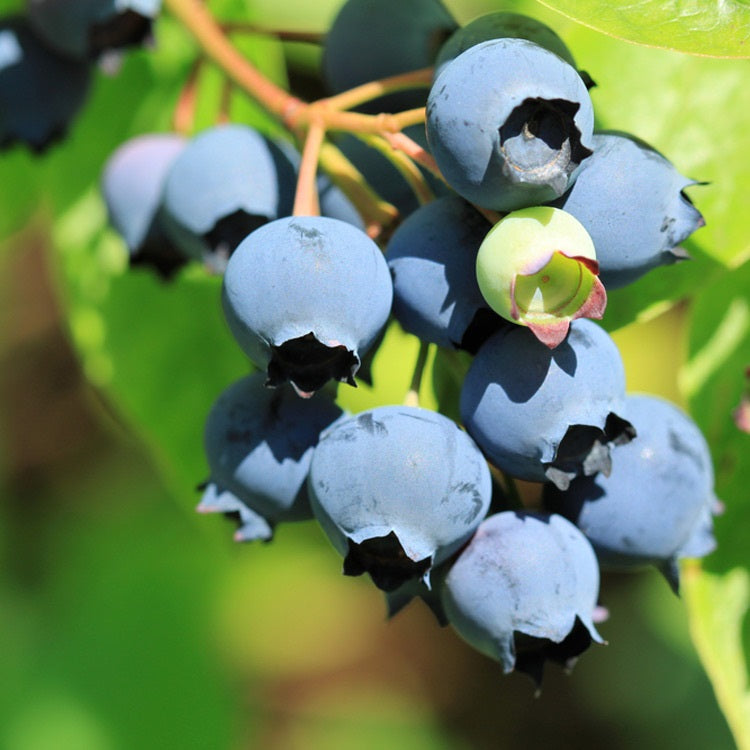
- Produces attractive blueberry plants with fresh green foliage and seasonal berries.
- White to pale pink bell-shaped flowers add ornamental interest in spring.
- Suitable for home gardens, containers, edible landscapes, and backyard berry patches.
- Prefers acidic, well-drained soil with consistent moisture and good sunlight.
- Seed-grown plants can offer an enjoyable long-term gardening and propagation project.
Growing Benefits
- Grow your own blueberry plants from seed at home.
- Adds edible and ornamental interest to garden spaces.
- Well suited to gardeners interested in growing native North American berry plants.
- Encourages hands-on learning about seed starting and perennial fruit crops.
- Can become a long-lived garden plant when provided with suitable conditions.
Seed Specifications
- Common Name: North American Blueberry
- Botanical Name: Vaccinium spp. — species identification depends on the seed source
- Plant Type: Perennial fruiting shrub
- Colors: Green foliage, white to pale pink flowers, blue to blue-black berries
- Height: Varies by species; commonly a low to medium-sized shrub
- Sunlight: Full sun to partial shade; best fruiting generally occurs with ample sunlight
- Soil: Acidic, organically rich, well-drained soil
- Water: Keep evenly moist, especially during establishment and fruit development
- Germination Time: Often several weeks to months; blueberry seeds can require specialized preparation
- Sowing Depth: Surface sow or cover very lightly with fine growing medium
- Spacing: Allow generous space according to the mature size of the selected species
- Growing Zones: Varies by species; many North American blueberry species are adapted to temperate growing regions
- Flowering/Maturity: Flowers generally appear in spring; fruit develops afterward, while seed-grown plants may take several years to reach fruiting age
- Uses: Edible landscaping, home gardens, berry gardens, containers, wildlife-friendly plantings, and propagation projects
Growing Tips
- Use an acidic seed-starting medium and avoid alkaline garden soil.
- Keep the growing medium consistently moist without making it waterlogged.
- Provide bright light while protecting young seedlings from harsh drying conditions.
- Be patient, as blueberry seeds can germinate slowly and seedlings develop gradually.
Seed Storage
Store unused seeds in a cool, dry, dark location inside a tightly sealed container. Protect them from heat, humidity, and direct sunlight. For longer storage, follow species-appropriate seed storage and stratification requirements.
Unique Facts About Seeds
- Blueberries belong to the genus Vaccinium, which includes several North American blueberry species.
- Blueberry seeds are tiny and are found inside the fruit rather than in a large central pit.
- Many blueberry species naturally grow in acidic soils, making soil pH especially important for successful cultivation.
- Plants grown from seed may differ from their parent plant, so berry size, flavor, growth habit, and fruiting characteristics can vary.