


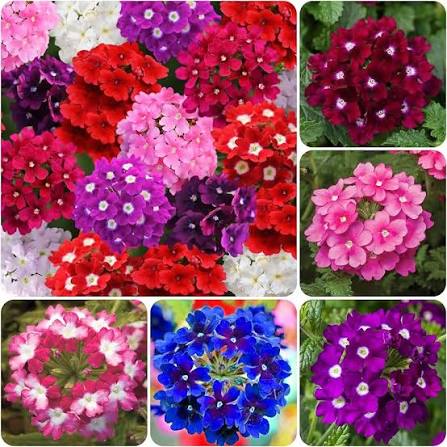
Key Features
- Produces clusters of colorful flowers in a cheerful mix of garden shades.
- Upright or spreading growth varies by verbena species and variety.
- Ideal for flower beds, borders, containers, hanging baskets, cottage gardens, and pollinator spaces.
- Performs best in full sun with well-drained soil.
- Colorful flower clusters add long-lasting seasonal interest to garden displays.
Growing Benefits
- Adds a vibrant mix of colors to garden beds and containers.
- Works well for borders, hanging baskets, and cottage-style landscapes.
- Flowers can attract bees, butterflies, and other visiting pollinators.
- Provides versatile planting options because verbena includes upright and spreading types.
- Suitable for creating colorful, informal garden displays.
Seed Specifications
- Common Name: Verbena
- Botanical Name: Verbena spp.
- Plant Type: Annual or perennial, depending on species
- Colors: Mixed shades including pink, purple, red, white, and lavender
- Height: Approximately eight inches to four feet, depending on species and variety
- Sunlight: Full sun
- Soil: Well-drained, moderately fertile soil
- Water: Moderate; avoid consistently wet soil
- Germination Time: Approximately fourteen to twenty-eight days under favorable conditions
- Sowing Depth: Surface sow or cover very lightly
- Spacing: Approximately twelve to eighteen inches, depending on variety
- Growing Zones: Varies by species; many types are grown as annuals in cooler climates
- Flowering/Maturity: Generally flowers from late spring through fall, depending on species and climate
- Uses: Flower beds, borders, containers, hanging baskets, cottage gardens, pollinator gardens, and ornamental landscapes
Growing Tips
- Surface sow the small seeds and avoid burying them deeply.
- Keep the seed-starting medium evenly moist but never waterlogged.
- Provide plenty of sunlight after seedlings emerge for compact, healthy growth.
- Deadhead faded flower clusters to maintain a tidy appearance and encourage continued flowering.
Seed Storage
Store unused seeds in a cool, dry, dark location. Keep them in their original packet or an airtight container protected from moisture, heat, and direct sunlight.
Unique Facts About Seeds
- Verbena belongs to the Verbenaceae family and includes numerous annual and perennial species.
- Verbena flowers are commonly arranged in rounded or elongated clusters.
- Many verbena varieties are valued for attracting butterflies and other pollinating insects.
- Different verbena species can vary considerably in height, growth habit, flower color, and hardiness.