


Key Features
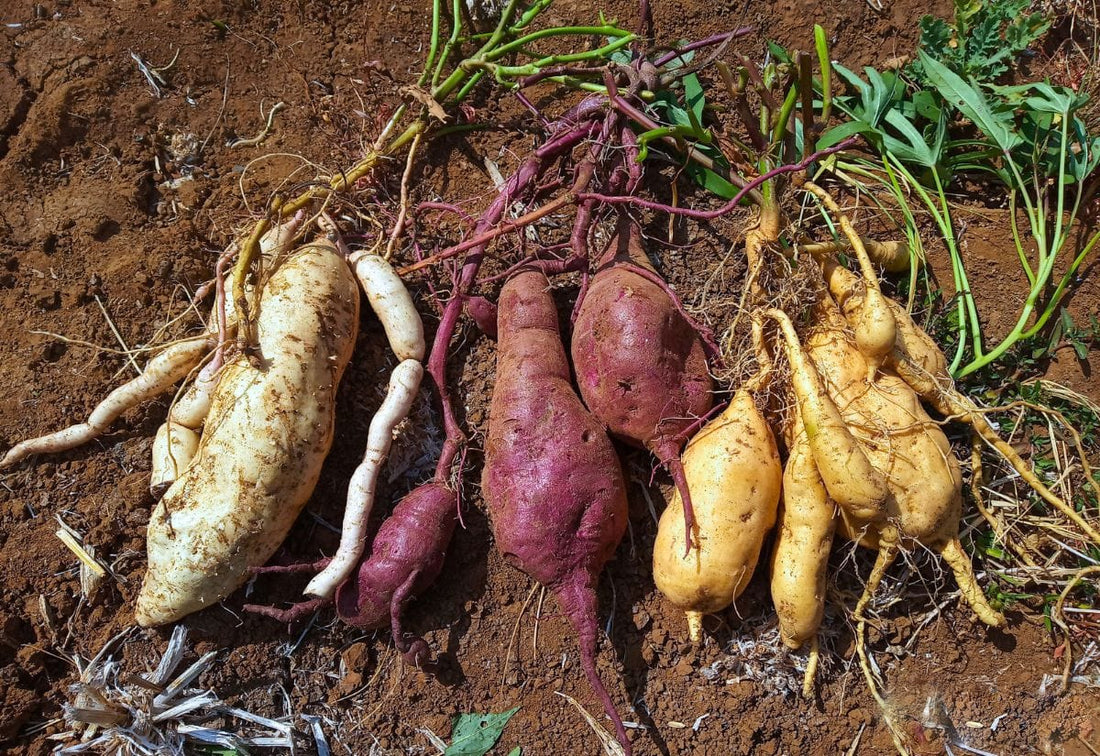
- Mixed sweet potato variety offering attractive root colors and garden diversity
- Produces vigorous, trailing vines with attractive green foliage
- Suitable for home vegetable gardens, raised beds, and container growing
- Underground storage roots provide an interesting and rewarding harvest
- Warm-season crop that performs best in sunny, well-drained growing conditions
Growing Benefits
- Adds variety and visual interest to your home vegetable garden
- Enjoy the satisfaction of growing sweet potatoes from planting to harvest
- Trailing vines can provide attractive ground cover in suitable garden spaces
- Adaptable to raised beds, garden plots, and large containers
- A fun vegetable crop for gardeners who enjoy unusual and colorful harvests
Seed Specifications
- Common Name: Mixed Sweet Potato
- Botanical Name: Ipomoea batatas
- Plant Type: Warm-season perennial commonly grown as an annual vegetable
- Colors: Mixed root colors depending on the variety; foliage is generally green
- Height: Vining growth can spread several feet when given suitable space
- Sunlight: Full sun
- Soil: Loose, fertile, well-drained soil with good organic matter
- Water: Regular and consistent moisture without waterlogging
- Germination Time: Typically around two to four weeks when grown from true seed under suitable conditions
- Sowing Depth: About one-quarter inch deep
- Spacing: Allow about twelve to eighteen inches between plants, with additional room for spreading vines
- Growing Zones: Generally suited to warm climates and USDA Zones eight to eleven; can be grown elsewhere as a warm-season annual
- Flowering/Maturity: Flowering may occur in warm conditions; root maturity commonly takes several months
- Uses: Home vegetable gardens, raised beds, containers, edible gardens, and culinary use
- Growth Habit: Vigorous trailing vines with edible underground storage roots
- Growing Preference: Warm temperatures, full sunlight, loose soil, and consistent moisture
- Garden Use: Suitable for gardeners seeking a diverse and productive warm-season vegetable crop
Growing Tips
- Start seeds in warm soil because sweet potatoes prefer consistently warm conditions.
- Choose a sunny location with loose soil that allows developing roots to expand easily.
- Keep soil evenly moist during early growth, but avoid soggy or waterlogged conditions.
- Provide enough space for the vines to spread, or gently guide them within the growing area.
Seed Storage
Store unused seeds in a cool, dry, and dark location. Keep them in a tightly sealed container or original packet protected from moisture, heat, and direct sunlight. Avoid storing seeds in damp areas.
Unique Facts About Seeds
- Sweet potato belongs to the morning glory family, Convolvulaceae.
- Sweet potatoes and common potatoes are botanically unrelated despite both being called potatoes.
- Sweet potato plants naturally develop long trailing vines that can cover considerable ground.
- Sweet potatoes are commonly propagated using slips, although true seeds can also be used for growing plants.