


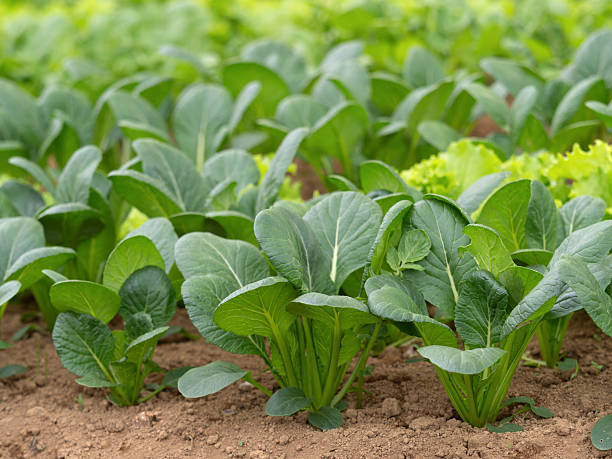
Key Features
- Traditional Asian Green: Komatsuna is a Japanese leafy vegetable related to turnips and commonly grown for its tender greens.
- Attractive Foliage: Produces smooth, broad green leaves with crisp, tender stems.
- Cool-Season Favorite: Performs especially well during cool weather and can tolerate light frost.
- Versatile Garden Crop: Excellent for vegetable beds, raised gardens, containers, and succession planting.
- Culinary Versatility: Young leaves can be enjoyed raw, while mature greens are excellent steamed, sautéed, stir-fried, or added to soups.
Growing Benefits
- Provides fresh leafy greens for everyday home cooking.
- Fast-growing crop suitable for gardeners seeking an earlier harvest.
- Performs well in both spring and fall gardens.
- Compact growth makes it practical for containers and smaller garden spaces.
- Suitable for harvesting young leaves or allowing plants to mature.
Seed Specifications
- Common Name: Komatsuna, Japanese Mustard Spinach, Japanese Mustard Green
- Botanical Name: Brassica rapa var. perviridis
- Plant Type: Annual leafy vegetable
- Colors: Green leaves and green stems; yellow flowers when flowering
- Height: Approximately twelve to eighteen inches
- Sunlight: Full sun to partial shade
- Soil: Fertile, well-drained soil rich in organic matter
- Water: Consistent, moderate moisture
- Germination Time: Approximately three to ten days
- Sowing Depth: About one-quarter inch deep
- Spacing: Thin to approximately six to twelve inches apart
- Growing Zones: Suitable for a wide range of USDA growing zones when grown during appropriate cool seasons
- Flowering/Maturity: Baby leaves can be harvested relatively early; mature greens commonly develop within several weeks, depending on conditions
- Uses: Salads, stir-fries, soups, steaming, sautéing, pickling, and fresh vegetable dishes
Growing Tips
- Sow seeds directly in the garden because Komatsuna establishes quickly from direct sowing.
- Keep the seedbed evenly moist until seedlings emerge and become established.
- Harvest outer leaves while young for tender greens and continued plant production.
- Grow during cooler weather to help maintain tender leaves and reduce premature bolting.
Seed Storage
Store Komatsuna seeds in a cool, dry, dark location. Keep them inside a tightly sealed, moisture-resistant container away from humidity, heat, and direct sunlight. Make sure seeds remain completely dry during storage.
Unique Facts About Seeds
- Komatsuna is a traditional Japanese leafy vegetable whose name is associated with the Komatsugawa area of Tokyo.
- Despite the common name “Japanese mustard spinach,” Komatsuna is botanically a type of Brassica rapa, not true spinach.
- The plant belongs to the Brassicaceae family, which also includes cabbage, broccoli, kale, and turnips.
- Komatsuna can be harvested at different stages, from tender baby leaves to larger mature greens.