


Key Features
- European pear variety known for crisp, juicy, sweet-flavored fruit
- Produces attractive white spring blossoms before developing pear fruit
- Grows into a deciduous fruit tree with a naturally branching form
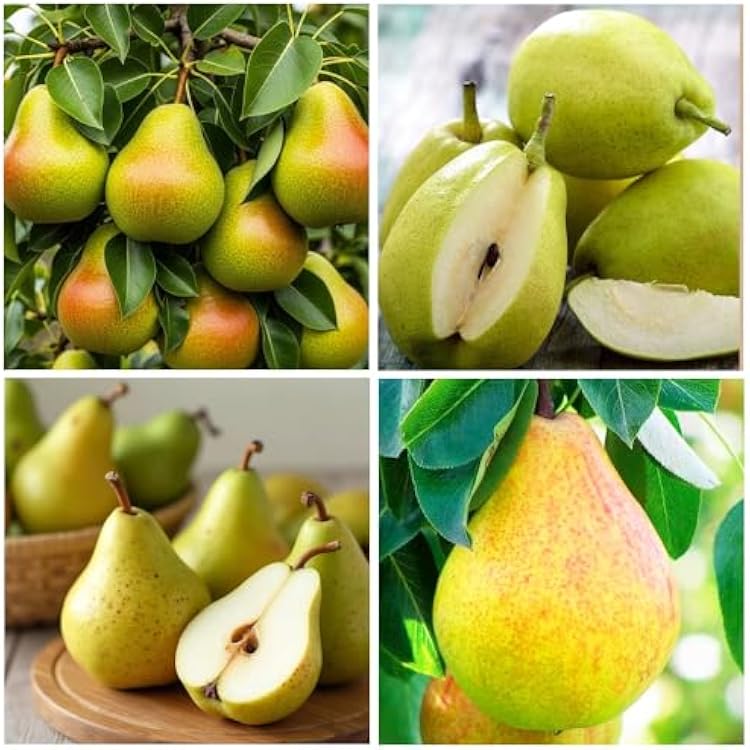
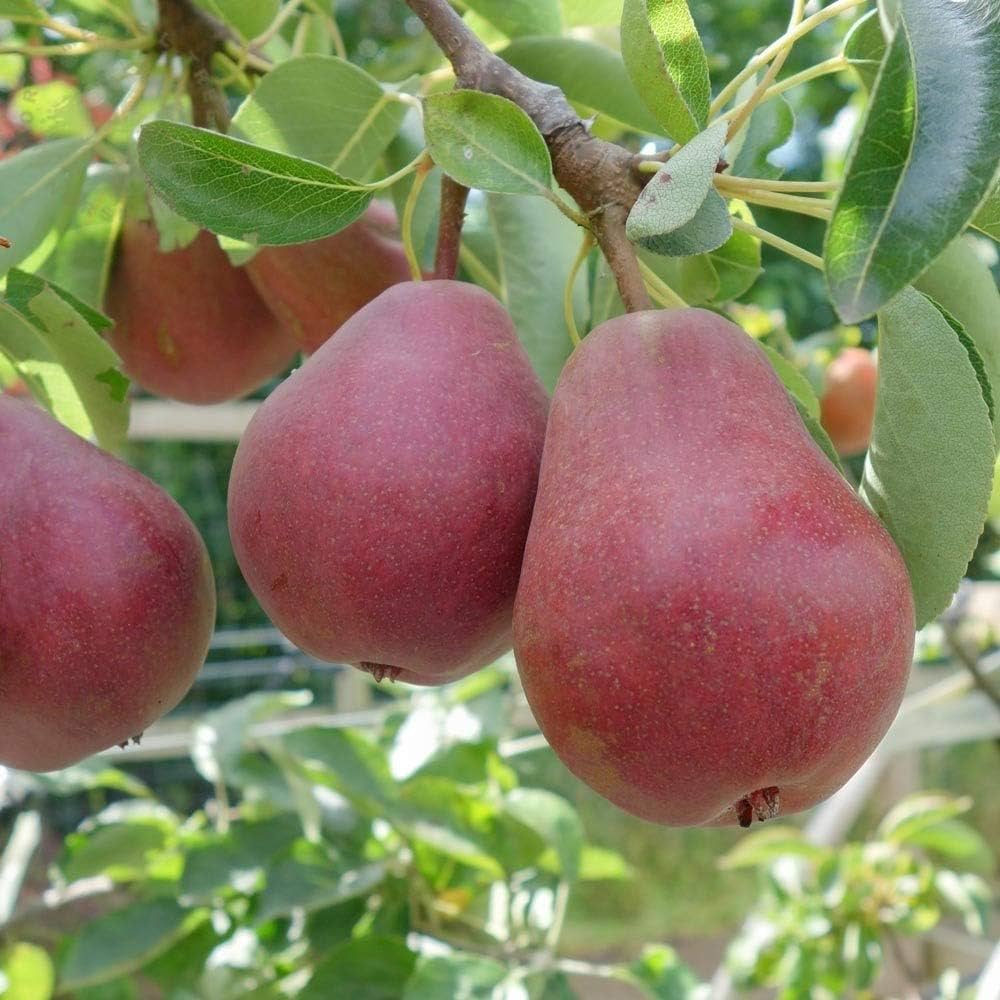
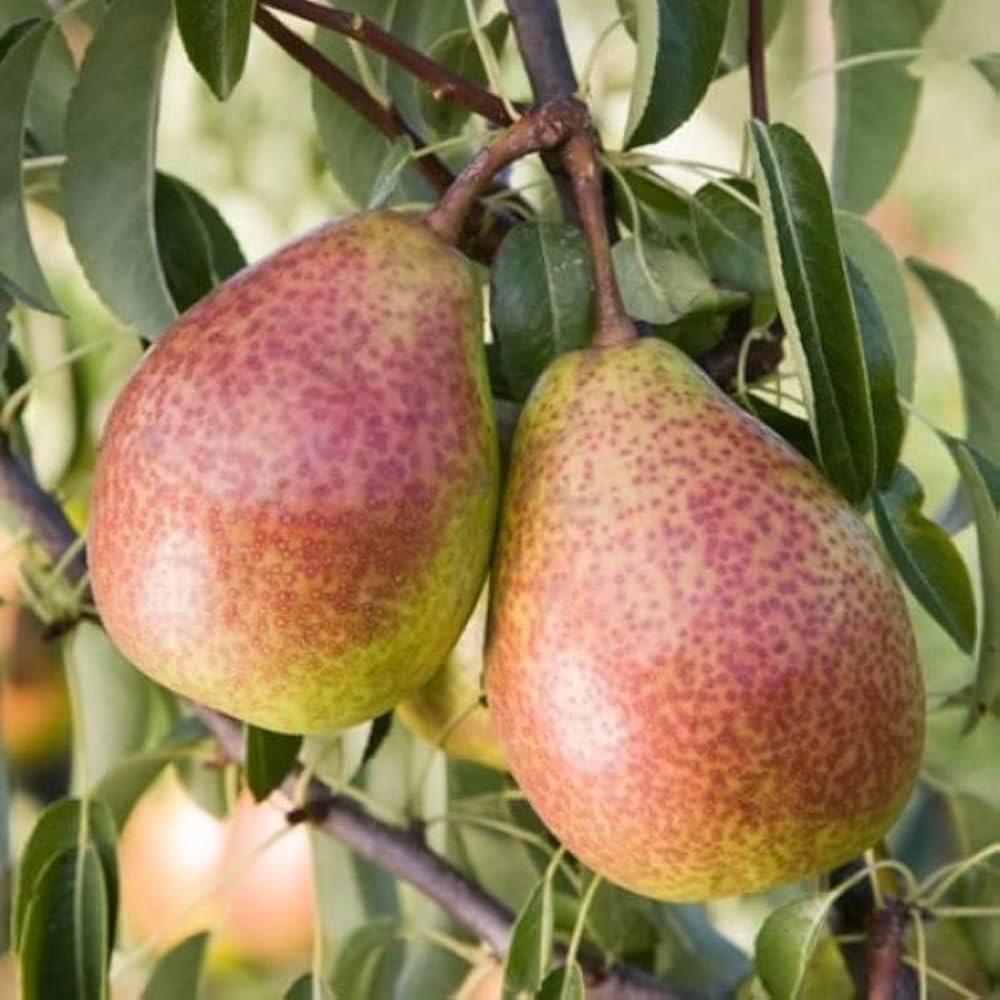
- Green, yellow, or blush-toned fruit may develop depending on growing conditions
- Suitable for home orchards, edible landscapes, and backyard gardens
Growing Benefits
- Adds seasonal beauty with spring flowers and summer foliage
- Provides an enjoyable long-term fruit-growing gardening project
- Well suited to home orchards and spacious edible gardens
- Encourages hands-on learning about growing fruit trees from seed
- Offers attractive foliage and fruit for a productive landscape
Seed Specifications
- Common Name: European Pear
- Botanical Name: Pyrus communis
- Plant Type: Deciduous perennial fruit tree
- Colors: White flowers; green, yellow, or reddish-blushed fruit
- Height: Approximately fifteen to thirty feet when seed-grown
- Sunlight: Full sun
- Soil: Well-drained, fertile, moderately moist soil
- Water: Regular watering, especially during establishment and dry periods
- Germination Time: Typically two to four weeks after proper cold stratification
- Sowing Depth: About one-half inch deep
- Spacing: Allow approximately fifteen to twenty-five feet for mature seed-grown trees
- Growing Zones: Generally USDA Zones four through nine
- Flowering/Maturity: White spring flowers; fruit commonly matures in late summer to autumn
- Uses: Home orchards, edible landscaping, backyard gardens, and fruit-growing projects
Growing Tips
- Cold-stratify the seeds before sowing to help encourage germination.
- Choose a sunny location with deep, fertile, well-draining soil.
- Keep the seed-starting medium evenly moist without making it waterlogged.
- Transplant young seedlings carefully once they develop a strong root system.
Seed Storage
Store unused seeds in a cool, dry, dark location inside a sealed, moisture-resistant container. Keep them away from heat, humidity, and direct sunlight. For longer-term storage, refrigeration can help maintain seed viability when seeds are kept dry and protected from moisture.
Unique Facts About Seeds
- European pear belongs to the rose family, Rosaceae, which also includes apples and cherries.
- Pear seeds generally benefit from a period of cold, moist stratification before they germinate.
- Trees grown from seed may differ from the parent fruit because pears do not reliably reproduce true to type from seed.
- Seed-grown European pear trees can take several years to reach fruit-bearing age, often longer than grafted nursery trees.