


Key Features
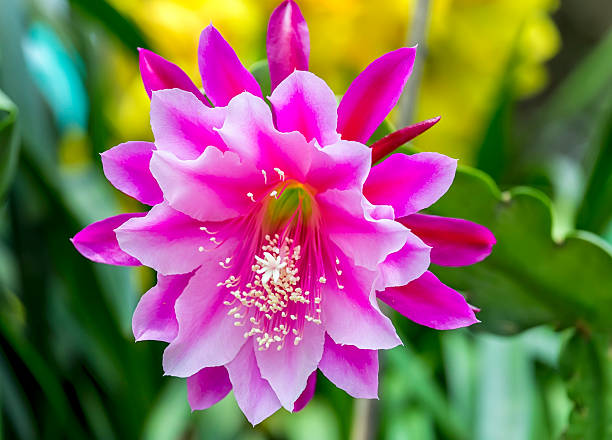
- Exotic Epiphyllum, commonly known as orchid cactus, valued for spectacular nighttime blooms.
- Flowers may appear in white, pink, red, orange, yellow, or blended shades depending on species or cultivar.
- Epiphytic cactus with flattened, segmented green stems and an attractive trailing or arching growth habit.
- Ideal for containers, hanging baskets, conservatories, patios, and warm-climate gardens.
- Produces fragrant, showy flowers that make this unusual cactus a striking ornamental plant.
Growing Benefits
- Adds an exotic tropical appearance to indoor and outdoor plant collections.
- Works beautifully in hanging baskets and decorative containers.
- Offers an opportunity to grow an unusual flowering cactus from seed.
- Attractive segmented foliage provides ornamental interest even between flowering periods.
- Well suited to gardeners who enjoy distinctive epiphytic plants.
Seed Specifications
- Common Name: Epiphyllum, Orchid Cactus, Orchid Flower Cactus
- Botanical Name: Epiphyllum spp.
- Plant Type: Epiphytic flowering cactus; perennial
- Colors: Flowers may include white, pink, red, orange, yellow, and mixed shades
- Height: Variable; generally develops into a trailing or arching plant rather than a compact upright form
- Sunlight: Bright filtered light or partial shade; protect from intense direct afternoon sun
- Soil: Loose, porous, well-draining cactus or epiphytic growing medium
- Water: Water when the growing medium begins to dry; avoid prolonged soggy conditions
- Germination Time: Variable and often several weeks under suitable conditions
- Sowing Depth: Surface sow or press seeds lightly into the growing medium
- Spacing: Sow with enough room to prevent seedlings from crowding; separate young plants after establishment
- Growing Zones: Generally suited to USDA Zones ten through twelve outdoors; grow indoors or protect from cold elsewhere
- Flowering/Maturity: Seed-grown plants can take several years to reach flowering size
- Uses: Containers, hanging baskets, indoor collections, patios, conservatories, and ornamental gardens
Growing Tips
- Use a porous, well-draining medium because Epiphyllum roots need good air circulation.
- Provide bright filtered light rather than harsh afternoon sunlight.
- Keep newly sown seeds lightly moist while avoiding standing water.
- Be patient with seedlings, as flowering may take several years from seed.
Seed Storage
Keep unused seeds in a cool, dry, dark location inside a sealed container or moisture-resistant packet. Protect them from heat, humidity, and direct sunlight. Avoid storing seeds in damp conditions.
Unique Facts About Seeds
- Epiphyllum is commonly called orchid cactus, although it is a cactus rather than a true orchid.
- Many Epiphyllum species are epiphytic, naturally growing on trees or other plants without being parasitic.
- Their large flowers are often produced from flattened, leaf-like stem segments.
- Seed-grown Epiphyllum plants can show considerable variation, particularly when the seeds come from hybrid plants.