Skip to product information
1 of 3

EdenValleySeeds

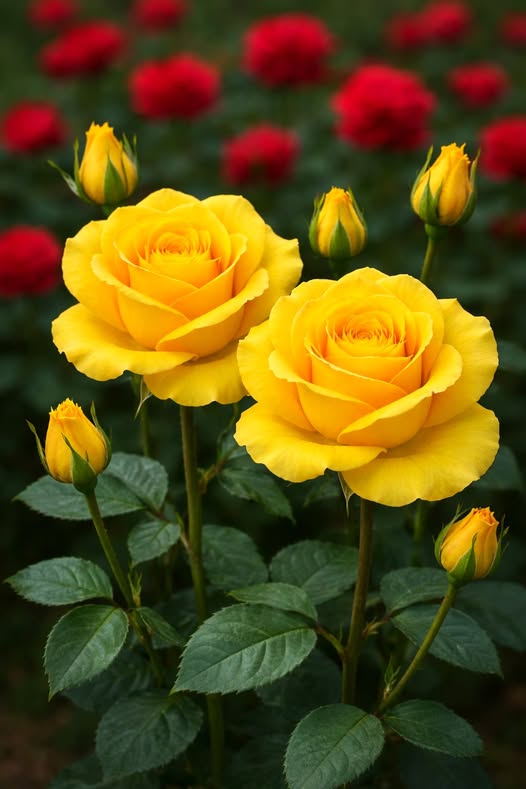
Deep Yellow Rose Flower Seeds for Planting – Fragrant Garden Rose Seeds

Deep Yellow Rose Flower Seeds for Planting – Fragrant Garden Rose Seeds

No reviews yet
Regular price $16.99 USD
Regular price Sale price $16.99 USD
Sale Sold out
Size
Quantity
Free shipping on every order Order today and estimated delivery is Sep 15 – Sep 18
Ordered Aug 31
Order Ready Sep 02 – Sep 04
Delivered Sep 15 – Sep 18
✓ Secure checkout ✓ Carefully packed seeds ✓ Tracked delivery ✓ Quality-focused selection

Bundle & Save

Choose a bundle to unlock savings

Up to 20% off

Select a bundle to see your savings

View full details

Key Features

  • Produces beautiful deep yellow rose blooms with a classic, elegant appearance.
  • Attractive rose flowers add warm color and visual interest to garden spaces.
  • Suitable for flower beds, borders, cottage gardens, and ornamental landscapes.
  • Rose plants develop woody stems and attractive green foliage as they mature.
  • A charming choice for gardeners who enjoy growing roses from seed.

Growing Benefits

  • Adds rich yellow color to home gardens and landscaped areas.
  • Creates attractive flowering plants for ornamental garden displays.
  • Offers an enjoyable way to experience roses from seed to bloom.
  • Works beautifully in borders, flower beds, and cottage-style gardens.
  • Provides flowers that can enhance the seasonal garden landscape.

Seed Specifications

  • Common Name: Deep Yellow Rose
  • Botanical Name: Rosa spp.
  • Plant Type: Woody perennial flowering plant
  • Colors: Deep yellow flowers with green foliage
  • Height: Varies by rose type; commonly several feet when mature
  • Sunlight: Full sun
  • Soil: Fertile, well-drained soil enriched with organic matter
  • Water: Regular, moderate watering with good drainage
  • Germination Time: Variable; rose seeds may require extended dormancy treatment
  • Sowing Depth: Shallow sowing, approximately one-quarter inch deep
  • Spacing: Allow several feet between mature plants, depending on rose type
  • Growing Zones: Generally USDA Zones five through nine, depending on variety
  • Flowering/Maturity: Rose plants grown from seed may take multiple seasons to reach flowering maturity
  • Uses: Flower beds, borders, cottage gardens, ornamental landscaping, and cut flowers

Growing Tips

  • Use fresh, well-draining seed-starting medium to reduce the risk of excess moisture.
  • Keep newly sown seeds evenly moist without allowing the growing medium to become soggy.
  • Provide bright light after seedlings emerge to encourage sturdy, healthy growth.
  • Give mature rose plants plenty of space for air circulation and development.

Seed Storage

Keep unused rose seeds in a cool, dry, dark location. Store them in an airtight container or sealed seed packet away from moisture, heat, and direct sunlight. Label the container with the variety and storage date.

Unique Facts About Seeds

  • Rose seeds are contained inside rose hips, the fruit that develops after successful pollination.
  • Rose seeds often have dormancy requirements, so germination can be slower and less predictable than many annual flowers.
  • Plants grown from rose seed may not produce flowers identical to the parent plant because roses can cross-pollinate.
  • Roses belong to the genus Rosa, which contains many species and cultivated forms with different growth habits.

Growing Instructions

Planting Season: Start rose seeds during a period that allows cool dormancy treatment followed by suitable growing temperatures. Timing varies by climate.

Sowing: Use a clean, well-draining seed-starting medium. Sow seeds individually and cover them lightly with fine growing medium.

Depth: Plant approximately one-quarter inch deep. Avoid deep planting, which can make emergence more difficult.

Spacing: Give individual seedlings enough room to develop without overcrowding. Mature spacing should be based on the expected size and growth habit of the rose.

Sunlight: Once seedlings emerge, provide bright light. Mature roses generally perform best in full sun with several hours of direct sunlight each day.

Soil: Use fertile, well-drained soil containing organic matter. Avoid poorly drained locations where water can remain around the roots.

Watering: Keep the seed-starting medium evenly moist during germination. Once established, water deeply when the soil begins to dry while avoiding prolonged waterlogging.

Germination: Rose seeds can be slow and irregular to germinate because they commonly require a period of dormancy treatment. Patience and consistent moisture are important.

Transplanting: Move established seedlings carefully into individual containers or the garden after they have developed several true leaves and conditions are suitable. Harden young plants gradually before outdoor planting.

Fertilizing: Once plants are actively growing, use a balanced fertilizer suitable for roses according to the product label. Avoid heavy feeding of young seedlings.

Care: Remove weeds around young plants and maintain good air circulation. As plants mature, prune according to their specific rose type and remove damaged or diseased growth.

Flowering/Maturity: Roses grown from seed generally require more time to mature than established nursery-grown plants. Flowering time and final plant size vary considerably depending on the species or genetic characteristics of the seed.