Skip to product information
1 of 3

EdenValleySeeds

Crimson Red Clover Flower Seeds for Planting | Vibrant Red Blooms

Crimson Red Clover Flower Seeds for Planting | Vibrant Red Blooms

No reviews yet
Regular price $16.99 USD
Regular price Sale price $16.99 USD
Sale Sold out
Size
Quantity
Free shipping on every order Order today and estimated delivery is Sep 13 – Sep 16
Ordered Aug 29
Order Ready Aug 31 – Sep 02
Delivered Sep 13 – Sep 16
✓ Secure checkout ✓ Carefully packed seeds ✓ Tracked delivery ✓ Quality-focused selection

Bundle & Save

Choose a bundle to unlock savings

Up to 20% off

Select a bundle to see your savings

View full details

Key Features

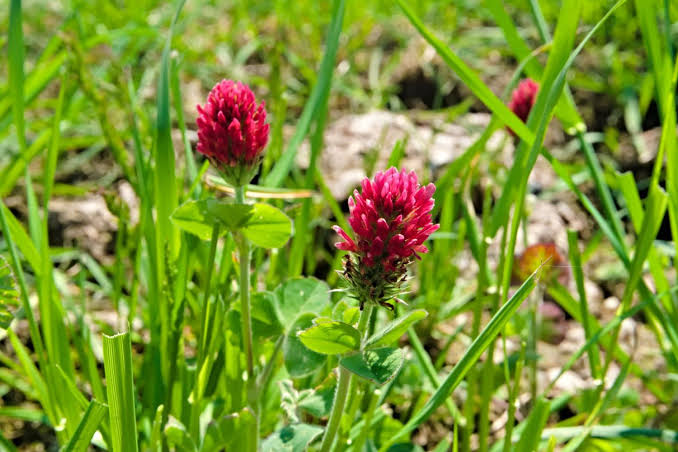
  • Produces distinctive rounded flower heads in rich crimson-red shades.
  • Cool-season flowering plant with an upright, leafy growth habit.
  • Excellent for adding bold color to borders, cottage gardens, and meadow-style spaces.
  • Attractive to bees and other beneficial pollinators when flowering.
  • Useful as a cover crop and nitrogen-fixing legume in suitable garden settings.

Growing Benefits

  • Adds vibrant seasonal color with its striking crimson flower clusters.
  • Supports pollinator activity by providing accessible flowers for visiting bees.
  • Helps enrich garden diversity as a nitrogen-fixing legume.
  • Suitable for meadow gardens, borders, beds, and naturalized planting areas.
  • Provides an enjoyable growing project for beginner and experienced gardeners.

Seed Specifications

  • Common Name: Crimson Red Clover
  • Botanical Name: Trifolium incarnatum
  • Plant Type: Cool-season annual legume
  • Colors: Crimson red flowers with green foliage
  • Height: Approximately one to three feet tall
  • Sunlight: Full sun to partial shade
  • Soil: Well-drained, moderately fertile soil
  • Water: Moderate moisture; avoid consistently waterlogged soil
  • Germination Time: Usually about one to two weeks under favorable conditions
  • Sowing Depth: About one-quarter to one-half inch deep
  • Spacing: Allow several inches between plants for healthy growth
  • Growing Zones: Generally suited to USDA Zones six through nine
  • Flowering/Maturity: Typically flowers in spring when established during the cool season
  • Uses: Flower gardens, borders, meadows, pollinator gardens, cover cropping, and forage planting

Growing Tips

  • Choose a sunny location with loose, well-draining soil for strong growth.
  • Sow seeds directly where they are intended to grow whenever possible.
  • Keep the soil evenly moist during germination without creating soggy conditions.
  • Remove spent flowers if desired to maintain a tidy garden appearance and encourage continued visual interest.

Seed Storage

Store unused seeds in a cool, dry, and dark location. Keep them in a sealed, moisture-resistant container away from humidity, heat, and direct sunlight. Allow seeds to remain completely dry before long-term storage.

Unique Facts About Seeds

  • Crimson red clover belongs to the legume family, Fabaceae.
  • Its scientific name, Trifolium incarnatum, refers to its distinctive rich red coloration.
  • Like other clovers, it can form relationships with soil bacteria that help fix atmospheric nitrogen.
  • The tall, cone-shaped flower clusters make crimson red clover especially recognizable among clover species.

Growing Instructions

Planting Season: Sow crimson red clover during the cool growing season. In colder climates, it is commonly planted in late summer or early fall for spring flowering. In milder climates, it can also be sown during suitable cool-season periods.

Sowing: Prepare the planting area by removing weeds and loosening the upper soil layer. Scatter or sow the seeds evenly, then lightly cover them with fine soil.

Depth: Plant seeds approximately one-quarter to one-half inch deep. Avoid burying them too deeply because clover seeds need suitable access to moisture and air for successful germination.

Spacing: Leave several inches between plants to provide adequate room for foliage and flower development. For meadow or cover-crop planting, seeds can be distributed more closely and evenly.

Sunlight: Grow in full sun for the strongest flowering. Plants can tolerate partial shade, although reduced sunlight may result in less vigorous growth and flowering.

Soil: Use loose, well-drained soil with moderate fertility. Avoid areas that remain saturated after watering or rainfall.

Watering: Keep newly planted areas consistently moist while seeds are germinating. Once plants are established, provide moderate watering and allow the soil surface to dry slightly between waterings.

Germination: Under favorable moisture and temperature conditions, seeds generally germinate within about one to two weeks.

Transplanting: Direct sowing is preferred because crimson red clover develops a root system that may be disturbed during transplanting. If started indoors, transplant carefully while plants are young.

Fertilizing: Crimson red clover generally does not require heavy fertilization. Avoid excessive nitrogen fertilizer, as legumes can obtain nitrogen through their natural association with nitrogen-fixing bacteria.

Care: Keep the planting area reasonably free of competing weeds during establishment. Provide adequate moisture during dry periods and avoid excessive watering.

Flowering and Maturity: Plants commonly produce their characteristic crimson flower heads during spring when grown through the cool season. Flowering time varies according to planting date, climate, and growing conditions.