


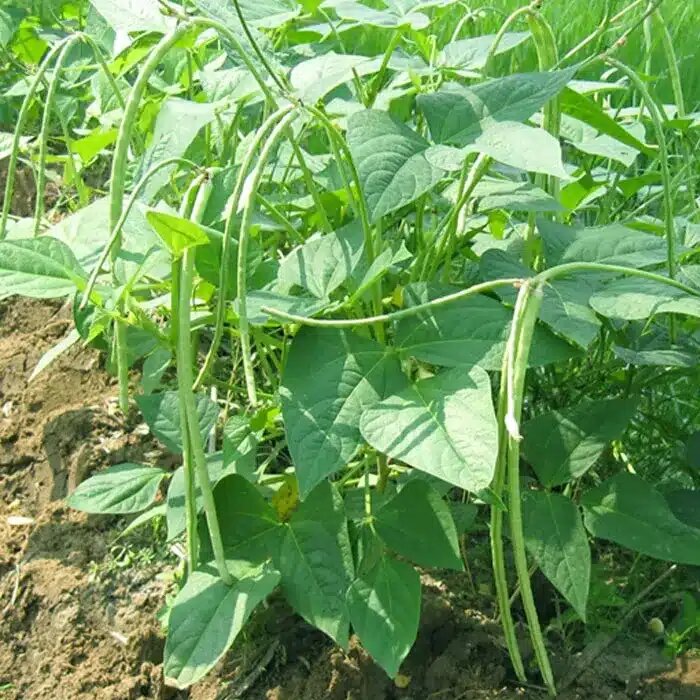
Key Features
- Heirloom black-eyed pea variety with distinctive cream-colored seeds and dark eyes
- Warm-season legume producing vigorous, bushy or semi-vining plants
- Ideal for vegetable gardens, raised beds, containers, and edible landscapes
- Attractive flowers develop into slender pods filled with nutritious peas
- Well suited to gardeners seeking a traditional cowpea for home cultivation
Growing Benefits
- Adds a productive legume to your home vegetable garden
- Thrives in warm conditions with plenty of sunlight
- Suitable for beginner gardeners and seasonal planting
- Helps diversify vegetable harvests with a classic Southern garden crop
- Can be grown alongside other warm-season garden vegetables
Seed Specifications
- Common Name: Cowpea, Black-Eyed Pea, Southern Pea
- Botanical Name: Vigna unguiculata
- Plant Type: Warm-season annual legume
- Colors: Cream-colored seeds with characteristic dark eyes; flowers may be white, yellow, pink, or purple depending on type
- Height: Typically about one to two feet for bush types, with some varieties growing taller or vining
- Sunlight: Full sun
- Soil: Well-drained, moderately fertile soil
- Water: Moderate and consistent moisture, especially during establishment and pod development
- Germination Time: Usually about one to two weeks under suitable conditions
- Sowing Depth: About one inch deep
- Spacing: Allow several inches between plants, with wider spacing for vigorous or vining types
- Growing Zones: Generally suited to warm growing regions; commonly grown in USDA Zones six through eleven
- Flowering/Maturity: Flowers appear during warm growth, with pods developing afterward; maturity commonly takes several weeks depending on variety and conditions
- Uses: Fresh peas, dried peas, home vegetable gardens, raised beds, edible landscaping, and traditional Southern-style dishes
Growing Tips
- Sow directly outdoors once the soil has warmed and frost danger has passed.
- Choose a sunny location with loose, well-drained soil for strong growth.
- Keep soil evenly moist during germination without leaving it waterlogged.
- Harvest pods regularly when growing for fresh peas to encourage continued production.
Seed Storage
Store unused seeds in a cool, dry, dark location away from heat and moisture. Keep them in an airtight container or sealed seed packet. Avoid storing seeds in areas with frequent temperature or humidity changes.
Unique Facts About Seeds
- Cowpea is a member of the legume family and is closely related to beans.
- Black-eyed peas are technically cowpeas, despite their familiar pea-like name.
- The dark spot on the seed is known as the hilum and marks the point where the seed was attached to the pod.
- Cowpeas are particularly well adapted to warm growing conditions and have a long history of cultivation in warm regions.