


Key Features
- Aromatic perennial herb with soft, silvery-green foliage and a balsamic scent.
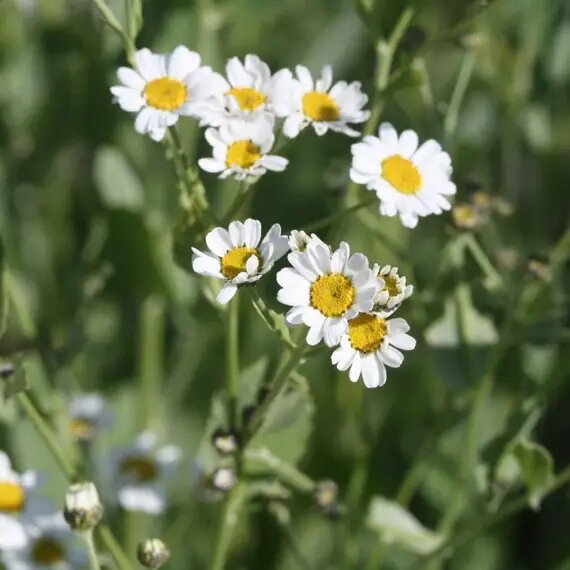
- Produces small button-like flowers in yellow or golden tones, depending on form.
- Upright, spreading growth adds texture and fragrance to herb and cottage gardens.
- Useful for herb borders, fragrant gardens, pollinator-friendly spaces, and containers.
- A historic garden plant valued for its distinctive foliage and traditional uses.
Growing Benefits
- Adds fragrant foliage and charming flower clusters to garden spaces.
- Provides attractive texture with silvery-green aromatic leaves.
- Works well in herb gardens, borders, cottage gardens, and containers.
- Can provide flowers that are visited by insect pollinators.
- Offers an interesting heritage-inspired plant for gardeners seeking unusual herbs.
Seed Specifications
- Common Name: Costmary, Alecost, Bible Leaf
- Botanical Name: Tanacetum balsamita
- Plant Type: Herbaceous perennial herb
- Colors: Yellow to golden flowers; green to silvery-green foliage
- Height: About two to six feet, depending on growing conditions
- Sunlight: Full sun to partial shade
- Soil: Well-drained loam, sandy, or other well-drained soil
- Water: Moderate; allow the soil to become slightly drier between waterings once established
- Germination Time: Variable; seed germination can be difficult and inconsistent
- Sowing Depth: Cover very lightly with soil
- Spacing: Allow approximately three to six feet of growing space
- Growing Zones: Commonly grown in USDA Zones five through seven; broader regional performance may vary
- Flowering/Maturity: Flowers generally appear from summer into fall; perennial plants develop over multiple seasons
- Uses: Herb gardens, fragrant borders, cottage gardens, containers, pollinator gardens, and traditional culinary or aromatic uses
Growing Tips
- Press seeds gently into moist, well-drained seed-starting mix and cover only lightly.
- Provide bright light and avoid keeping the growing medium excessively wet.
- Transplant young seedlings carefully once they are sturdy enough to handle.
- Prune after flowering to maintain a neat shape and encourage fresh foliage.
Seed Storage
Store unused Costmary seeds in a cool, dry, dark place. Keep them in a sealed, moisture-resistant container away from heat, humidity, and direct sunlight. Label the container with the seed name and storage date.
Unique Facts About Seeds
- Costmary belongs to the Asteraceae family, the same botanical family as daisies and sunflowers.
- Its aromatic foliage has historically been used in herbal gardens, teas, salads, and traditional ale flavoring.
- The plant is also known as “Bible Leaf” because fragrant leaves were historically associated with keeping books and Bibles scented.
- Costmary produces tiny achene fruits rather than fleshy fruits, with a small pappus structure associated with the seed.