


Key Features
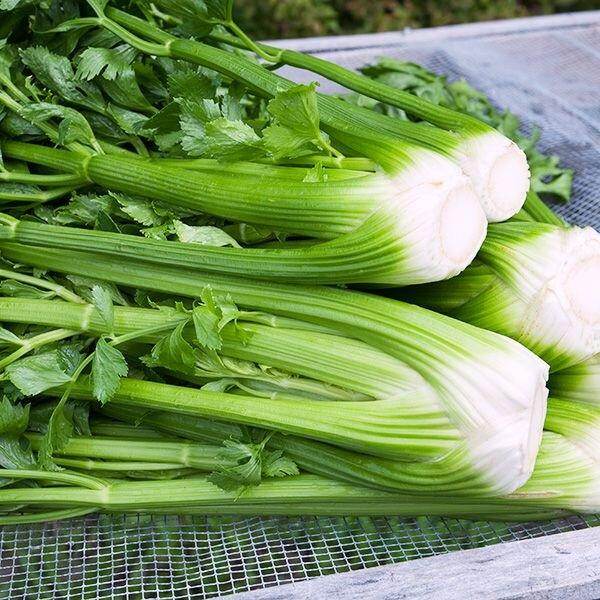
- Traditional Chinese celery variety valued for its slender, flavorful stems and leaves.
- Produces green foliage with delicate, crisp stalks suitable for kitchen gardens.
- Compact herb with upright growth, making it suitable for beds, containers, and small gardens.
- Adds distinctive celery flavor to soups, stir-fries, salads, stocks, and Asian-inspired dishes.
- A useful cool-season crop for gardeners seeking a flavorful alternative to standard celery.
Growing Benefits
- Brings fresh, homegrown celery flavor directly to your kitchen.
- Suitable for vegetable gardens, raised beds, containers, and patio growing.
- Its leafy growth provides both culinary value and attractive garden greenery.
- Can be harvested gradually as plants develop, depending on growing conditions.
- A rewarding choice for gardeners interested in growing traditional Asian vegetables.
Seed Specifications
- Common Name: Chinese Celery, Leaf Celery, Chinese Parsley
- Botanical Name & Plant Type: Apium graveolens var. secalinum; herbaceous vegetable and culinary herb
- Colors & Height: Green leaves and slender green stems; typically around 12–24 inches tall
- Sunlight, Soil & Water: Full sun to partial shade; fertile, moisture-retentive, well-draining soil; keep soil consistently moist
- Germination, Sowing & Growth: Usually 14–21 days; sow about 1/8 inch deep with 6–8 inches spacing; suitable for cool growing conditions and harvested for leaves and stems
Growing Tips
- Keep the seed-starting mix evenly moist because celery seeds are small and slow to establish.
- Press seeds lightly onto the soil surface or cover them with only a very thin layer.
- Provide bright light after germination and protect young seedlings from harsh heat.
- Harvest outer leaves and tender stems gradually once plants are well established.
Seed Storage
Store unused seeds in a cool, dry, dark location away from moisture and heat. Keep them in a tightly sealed seed packet or airtight container. Label the container with the seed variety and storage date.
Unique Facts About Seeds
- Chinese celery is closely related to common garden celery but is generally grown more for its flavorful leaves and slender stems.
- It is also known as leaf celery because its leafy growth is particularly valued in cooking.
- Celery seeds are naturally tiny, so they are usually sown shallowly rather than planted deeply.
- Chinese celery is especially appreciated in Asian cuisine for its pronounced celery aroma and flavor.