



Key Features
-
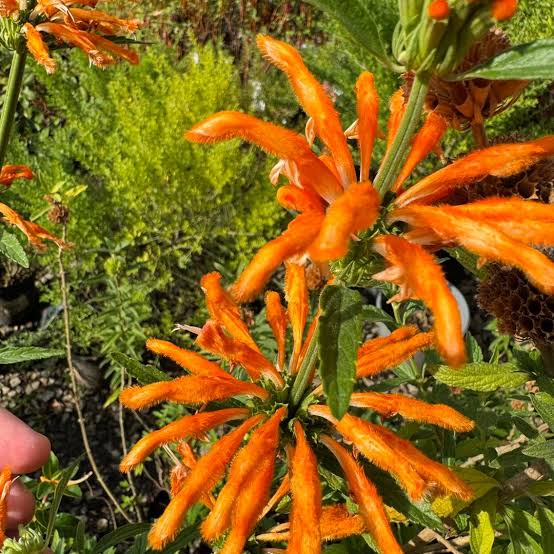
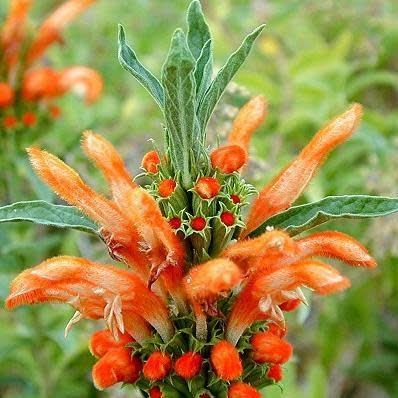
Vibrant Orange Tubular Flowers: Wild Dagga (Leonotis leonurus) produces striking orange, tubular flowers arranged in rounded whorls along upright stems. These distinctive blooms create an eye-catching display in ornamental gardens.
-
Unique Lion's Tail Appearance: Commonly called Lion's Tail or Lion's Ear, this South African flowering shrub develops tiered flower clusters that resemble decorative rings around its tall stems.
-
Tall Architectural Growth: Develops upright, branching stems with narrow, lance-shaped green leaves. Its distinctive vertical structure adds height and texture to sunny flower borders and tropical-style landscapes.
-
Long Seasonal Flowering: In suitable warm climates, Wild Dagga can flower from summer through autumn, providing attractive seasonal color when many other ornamental plants are finishing their flowering cycle.
-
Excellent Pollinator Appeal: The nectar-rich tubular flowers attract hummingbirds, butterflies, and other nectar-feeding visitors, making the plant a valuable ornamental addition to suitable wildlife gardens.
Growing Benefits
-
Attracts Hummingbirds: Bright orange, nectar-producing flowers can attract hummingbirds, creating opportunities to enjoy wildlife activity in the garden.
-
Distinctive Ornamental Displays: Tall flowering stems and unusual circular flower clusters introduce architectural interest to garden borders, mixed plantings, and sunny landscapes.
-
Warm-Climate Perennial Growth: In frost-free or mild-winter regions, Wild Dagga can develop into a substantial perennial shrub that produces seasonal flowering displays.
-
Adaptable Container Gardening: Young plants can be grown in large, well-draining containers, allowing gardeners in colder climates to provide winter protection when practical.
-
Moderate Drought Tolerance: Established plants can tolerate some dry conditions, making Wild Dagga suitable for warm-climate ornamental gardens with well-draining soil.
Seed Specifications
-
Common Name: Wild Dagga, Lion's Tail, Lion's Ear
-
Botanical Name: Leonotis leonurus
-
Plant Family: Lamiaceae
-
Type: Orange Flowering Ornamental Shrub
-
Plant Type: Evergreen to semi-evergreen perennial shrub in warm climates
-
Variety: Species form
-
Flower Color: Bright orange; other cultivated selections may have different flower colors
-
Foliage Color: Green
-
Flower Form: Tubular flowers arranged in rounded whorls along upright stems
-
Height: Approximately 4–6 feet, occasionally taller under favorable conditions
-
Spread: Approximately 3–5 feet
-
Sunlight: Full sun, preferably 6–8 hours of direct sunlight daily
-
Soil: Well-draining sandy or loamy soil with moderate fertility
-
Soil pH: Approximately 6.0–7.5
-
Water: Moderate watering during establishment; reduced irrigation after plants become established
-
Germination Time: Approximately 10–21 days under favorable conditions; some seeds may take longer
-
Germination Temperature: Approximately 65–75°F
-
Sowing Depth: Approximately ⅛ inch, covered lightly with fine growing medium
-
Spacing: Approximately 3–4 feet between mature plants
-
Growing Zones: Generally USDA Zones 9–11 for outdoor perennial cultivation; may be grown as a seasonal annual in colder regions
-
Planting Season: Spring after frost danger has passed
-
Flowering Season: Commonly summer through autumn, depending on climate
-
Growth Habit: Upright, branching, woody-based ornamental shrub
-
Uses: Pollinator gardens, hummingbird gardens, sunny borders, tropical landscapes, and ornamental container plantings
-
Seed Count Per Pack: 100 pcs
-
Native Region: Southern Africa
Growing Tips
-
Provide Full Sunlight: Plant Wild Dagga in a location receiving at least six hours of direct sunlight daily. Adequate sunlight supports sturdy growth and abundant flowering.
-
Use Well-Draining Soil: Avoid planting in heavy, waterlogged soil. Sandy or loamy soil with reliable drainage helps maintain healthy roots and reduces moisture-related problems.
-
Water Regularly During Establishment: Keep young plants consistently moist while their roots develop. Once established, reduce watering frequency and allow the upper soil to dry between irrigation.
-
Prune for Bushier Growth: Lightly prune young plants to encourage branching. Established plants can be trimmed after flowering or during suitable seasonal growth periods to maintain an attractive shape.
-
Protect From Severe Frost: Wild Dagga is sensitive to prolonged freezing temperatures. Move container-grown specimens to protected locations or provide appropriate winter protection in marginal growing zones.
-
Leave Space for Pollinators: Plant near other nectar-producing ornamentals to create a diverse hummingbird and butterfly garden. Avoid unnecessary insecticide applications during flowering.
Seed Storage
-
Cool Storage: Store Wild Dagga seeds in a cool, stable environment away from direct sunlight and excessive heat.
-
Dry Conditions: Keep thoroughly dried seeds inside airtight or moisture-resistant containers to reduce exposure to humidity.
-
Moisture Protection: Avoid condensation and damp storage conditions that could encourage fungal growth or seed deterioration.
-
Seed Freshness: Label packets with the botanical name, collection date, and storage information. Use fresh seeds when possible and periodically test older seed lots for germination.
-
Long-Term Preservation: Maintain properly dried seeds in sealed containers under consistently cool conditions. Allow refrigerated containers to reach room temperature before opening to prevent condensation.
Unique Facts About the Seeds
-
Native to Southern Africa: Leonotis leonurus originates from southern Africa and is widely cultivated as an ornamental flowering shrub in warm regions.
-
Member of the Mint Family: Wild Dagga belongs to Lamiaceae, the same botanical family as mint, basil, lavender, rosemary, and many other aromatic plants.
-
Distinctive Flower Whorls: Flowers develop in circular clusters around the stems, creating the tiered appearance that gives Lion's Tail its recognizable ornamental character.
-
Hummingbird-Friendly Flowers: Although native to Africa, where sunbirds may visit its flowers, Wild Dagga can also attract hummingbirds when cultivated in the Americas.
-
Natural Seed Formation: After flowering and pollination, the plant produces small nutlets typical of many members of the mint family. These contain the seeds used for propagation.