Passer aux informations produits
1 de 3

Eden Valley Seeds

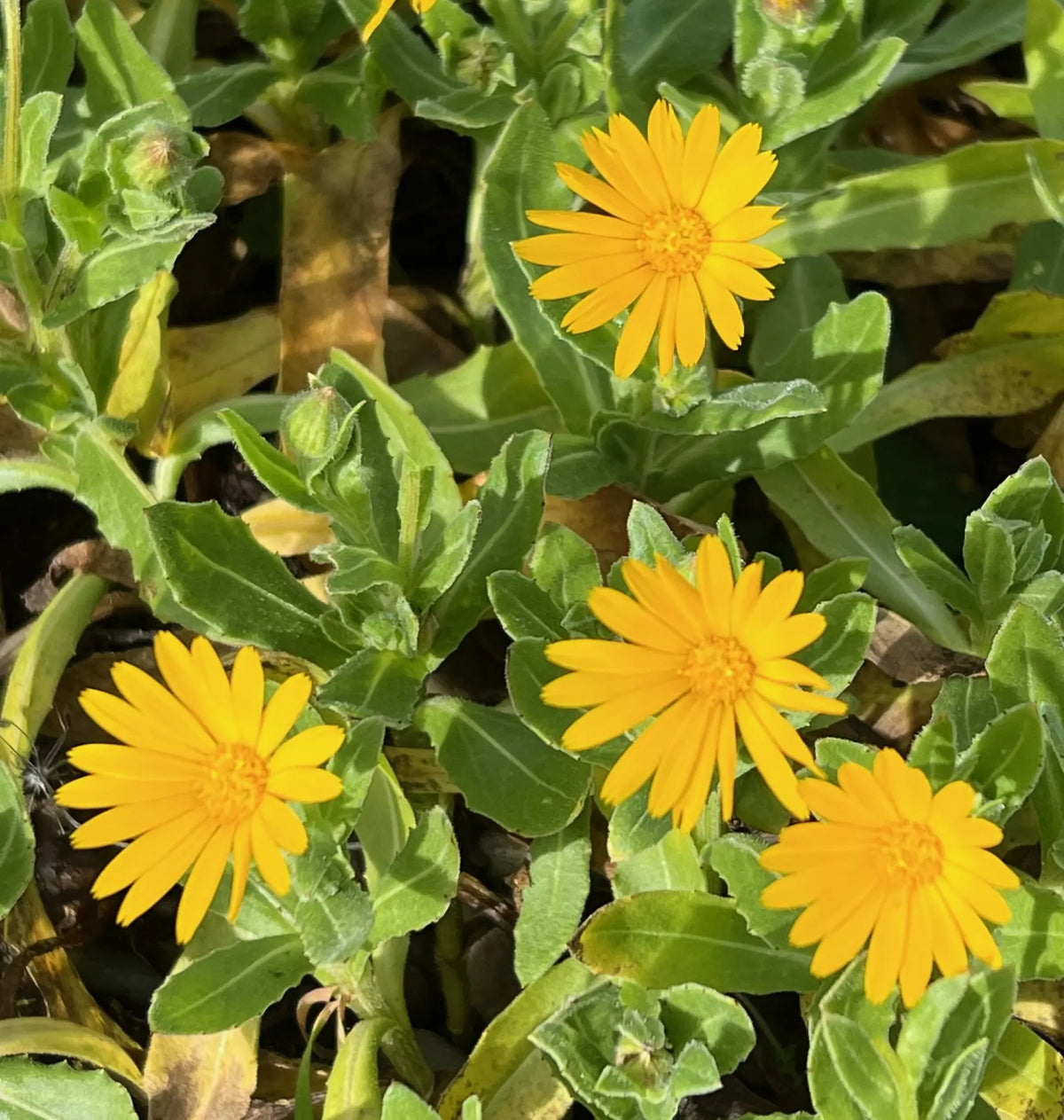
Wild Calendula Seeds (Calendula arvensis) – Medicinal Herb

Wild Calendula Seeds (Calendula arvensis) – Medicinal Herb

Prix habituel €17,95 EUR
Prix habituel Prix promotionnel €17,95 EUR
Promotion Épuisé
Taxes incluses. Frais d'expédition calculés à l'étape de paiement.
size
Quantité

DELIVERY ESTIMATE

—

Estimated arrival

ORDER—Order placed
ORDER READY—Processing estimate
DELIVERED—Estimated delivery

♢

Secure checkout
Carefully packed seeds
Tracked delivery
Quality-focused selection
Afficher tous les détails

Key Features

  • Botanical variety: Wild calendula, also known as field marigold, is a cheerful annual herb.

  • Flower color: Produces bright yellow to orange daisy-like flowers with a sunny appearance.

  • Plant characteristics: Features branching stems, aromatic foliage, and delicate flower heads.

  • Garden uses: Suitable for cottage gardens, wildflower patches, borders, and pollinator-friendly spaces.

  • Unique features: Its bright blooms and adaptable growth make it an appealing choice for natural gardens.

Growing Benefits

  • Adds cheerful yellow-orange flowers to cottage gardens and natural landscapes.

  • Attracts beneficial pollinators when flowers are available.

  • Provides an attractive flowering herb for informal garden spaces.

  • Offers a rewarding growing experience for beginner gardeners.

  • Brings a traditional medicinal herb into home garden collections.

Seed Specifications

  • Common Name: Wild Calendula, Field Marigold

  • Botanical Name: Calendula arvensis

  • Plant Type: Annual flowering herb

  • Colors: Yellow to orange flowers

  • Height: Usually about 8–16 inches, depending on growing conditions

Growing Tips

  • Choose a sunny planting location with well-drained soil.

  • Sow seeds directly outdoors where plants can grow undisturbed.

  • Keep the soil lightly moist during germination without making it soggy.

  • Remove spent flowers to encourage continued blooming and maintain a tidy appearance.

Seed Storage

Store seeds in a cool, dry, dark location in a sealed container. Keep them away from moisture, heat, and direct sunlight. Label the container with the plant name and storage date.

Unique Facts About Wild Calendula Seeds

  • Wild calendula is also called field marigold, distinguishing it from the familiar garden calendula.

  • Its botanical name is Calendula arvensis, and it belongs to the daisy family, Asteraceae.

  • The flowers are typically yellow or orange and resemble small daisies.

  • Wild calendula is an annual plant that can self-seed under suitable growing conditions.

Growing Instructions

Planting Season

Sow in spring after the danger of severe frost has passed, or during mild autumn weather in suitable climates. In warmer regions, autumn planting can help plants establish during cooler growing conditions.

Sowing

Prepare a well-drained garden bed by removing weeds and loosening the soil. Sow seeds directly outdoors, as wild calendula generally establishes well from direct sowing.

Sowing Depth and Spacing

Cover seeds lightly with soil, approximately a quarter inch deep. Space seeds around six to eight inches apart, thinning seedlings as needed to provide room for healthy growth.

Sunlight

Choose a location receiving full sun for the best flowering. Plants can tolerate partial shade, although flowering may be reduced.

Soil

Wild calendula prefers well-drained soil with moderate fertility. It can grow in different soil types, provided the ground does not remain waterlogged.

Watering

Water gently after sowing and keep the soil evenly moist until seedlings emerge. Once established, water when the soil begins to dry, avoiding excessive moisture.

Germination

Seeds commonly germinate within about one to two weeks under favorable conditions. Germination may take longer in cool soil or when moisture levels are unsuitable.

Transplanting

Direct sowing is generally preferred. If starting seeds indoors, use biodegradable pots and transplant young seedlings carefully before their roots become crowded.

Fertilizing

Wild calendula does not require heavy feeding. A light application of balanced fertilizer may be used in poor soil, but excessive nitrogen can encourage foliage at the expense of flowers.

Plant Care

Remove weeds around young plants and avoid overwatering. Deadhead spent flowers to encourage further blooming. Allow a few flower heads to mature if you wish to collect seeds for future planting.

Flowering and Maturity

Wild calendula generally begins flowering within a few months of sowing, depending on the climate and growing conditions. Flowering may continue over an extended period in mild weather.