


Key Features
-
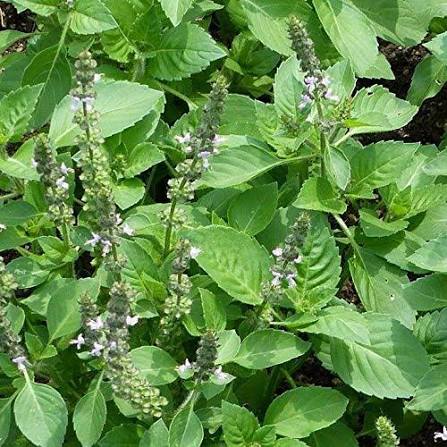
Aromatic Green Foliage: Produces broad leaves with a distinctive scent when gently handled.
-
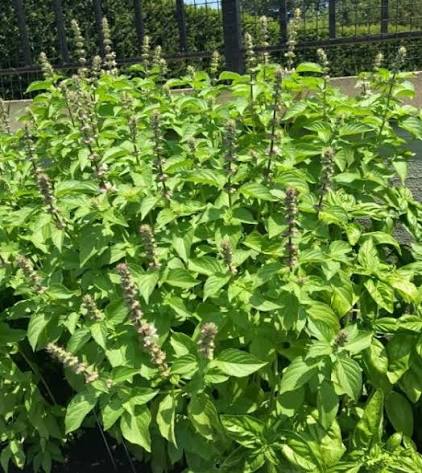
Branching Growth Habit: Develops multiple upright stems and a bushy appearance.
-
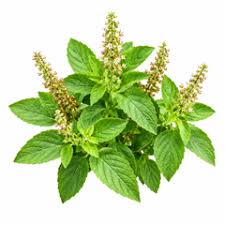
Slender Flower Spikes: Produces small whitish flowers along elongated flowering stems.
-
Warm-Climate Growth: Grows actively during warm weather and is sensitive to frost.
-
Container Garden Potential: Can be cultivated in sufficiently large containers with suitable drainage.
Growing Benefits
-
Tropical Garden Character: Broad green foliage creates an attractive warm-season display.
-
Distinctive Leaf Texture: Adds visual contrast to ornamental herb collections.
-
Vertical Flowering Interest: Slender flower spikes provide seasonal structure.
-
Flexible Garden Placement: Suitable for warm outdoor beds and sunny patio containers.
-
Pruning Response: Regular stem-tip pruning can encourage additional branching.
Seed Specifications
-
Common Name: Vana Tulsi, Clove Basil, African Basil
-
Botanical Name: Ocimum gratissimum
-
Plant Family: Lamiaceae
-
Type: Aromatic Tropical Garden Herb
-
Plant Classification: Tender Perennial Shrub or Subshrub
-
Variety: Species Form; Cultivar Not Confirmed
-
Flower Color: White to Pale Cream
-
Flower Shape: Small, Two-Lipped Flowers
-
Flower Arrangement: Elongated Terminal Flower Spikes
-
Foliage Color: Green
-
Leaf Shape: Broad, Ovate, Slightly Toothed
-
Leaf Texture: Soft to Slightly Hairy
-
Plant Height: Approximately 3–6 Feet Under Suitable Conditions
-
Plant Spread: Approximately 2–4 Feet
-
Growth Habit: Upright, Branching, Bushy
-
Sunlight: Full Sun to Partial Shade
-
Soil: Fertile, Loose, Well-Draining Garden Soil
-
Soil pH: Slightly Acidic to Neutral
-
Water Requirements: Moderate
-
Germination Time: Variable; Often Approximately 7–21 Days Under Suitable Conditions
-
Germination Temperature: Approximately 70–85°F
-
Seed Preparation: No Special Pretreatment Generally Required
-
Sowing Depth: Approximately ⅛ Inch or Lightly Covered
-
Plant Spacing: Approximately 18–36 Inches
-
USDA Growing Zones: Approximately 10–11 for Outdoor Perennial Cultivation
-
Planting Season: Spring to Early Summer After Frost Risk
-
Flowering Season: Summer to Autumn; Variable in Tropical Climates
-
Maturity: Growth and Flowering Depend on Temperature and Growing Conditions
-
Native Region: Tropical Africa
-
Uses: Ornamental Herb Gardens, Tropical Plant Collections, Large Containers, Warm-Season Garden Beds
-
Seed Count Per Pack: Confirm Actual Quantity
-
Special Characteristics: Aromatic Leaves, Bushy Stems, Small Flower Spikes, Frost Sensitivity
Growing Tips
-
Provide Warm Conditions: Grow during periods of consistently warm temperatures.
-
Choose Bright Sunlight: Select a location receiving several hours of direct sunlight daily.
-
Maintain Good Drainage: Use loose soil that allows excess water to drain freely.
-
Prune Growing Tips: Light trimming encourages branching and helps manage plant height.
-
Protect From Frost: Move container plants into suitable protected conditions before freezing weather.
-
Allow Mature Spacing: Provide sufficient room for branching stems and broad foliage.
Seed Storage
-
Cool Storage: Keep seeds in a cool environment away from excessive heat.
-
Dry Conditions: Store thoroughly dried seeds in sealed, moisture-resistant packaging.
-
Light Protection: Protect seed containers from direct sunlight.
-
Proper Labeling: Record the botanical name, seed lot, and collection date.
-
Seed Rotation: Use older seed lots first and test germination when seed age is uncertain.
Unique Facts About the Seeds
-
Mint Family Member: Ocimum gratissimum belongs to Lamiaceae, the same botanical family as many familiar garden herbs.
-
Distinctive Leaf Aroma: The species is known for aromatic foliage, although scent characteristics can vary among plants.
-
Shrubby Growth: Unlike some compact annual basil varieties, this species can develop woody lower stems under suitable conditions.
-
Terminal Flower Spikes: Small flowers develop along elongated stems above the foliage.
-
Tropical Growth Habit: In consistently warm climates, plants may continue growing beyond a single season.