



Key Features
-
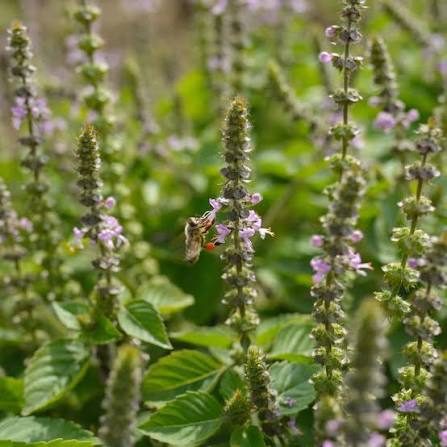
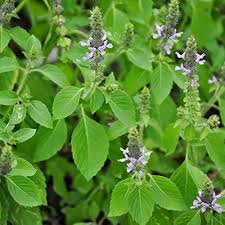
Fragrant Green Leaves: Produces aromatic foliage with a scent that can vary among plants.
-
Branching Growth Habit: Develops upright stems with opposite green leaves.
-
Small Flower Spikes: Forms delicate flowers along terminal flowering stems.
-
Warm-Season Growth: Grows during periods of suitable warmth and sunlight.
-
Container-Friendly Planting: Suitable for sunny patios, herb containers, and managed garden beds.
Growing Benefits
-
Attractive Herb Garden Foliage: Green leaves provide texture in mixed garden plantings.
-
Seasonal Flowering Interest: Slender flower spikes add detail above the foliage.
-
Flexible Garden Placement: Can be grown in containers or well-draining outdoor beds.
-
Manageable Branching: Stem-tip pruning helps maintain a compact growth habit.
-
Warm-Climate Garden Appeal: Complements other basil species in ornamental herb collections.
Seed Specifications
-
Common Name: Temperate Tulsi, Lemon Basil
-
Botanical Name: Ocimum africanum
-
Botanical Synonym: Ocimum × africanum is also used in botanical treatments
-
Plant Family: Lamiaceae
-
Type: Aromatic Garden Herb
-
Plant Classification: Commonly Grown as an Annual
-
Variety: Species Identification Provided; Cultivar Not Confirmed
-
Flower Color: White to Pale Lavender
-
Flower Shape: Small, Two-Lipped Flowers
-
Flower Arrangement: Terminal Flower Spikes
-
Foliage Color: Green
-
Leaf Shape: Ovate to Lanceolate
-
Leaf Arrangement: Opposite
-
Plant Height: Approximately 1–2 Feet; Variable
-
Plant Spread: Approximately 1–2 Feet
-
Growth Habit: Upright, Branching
-
Sunlight: Full Sun
-
Soil: Loose, Fertile, Well-Draining Garden Soil
-
Soil pH: Slightly Acidic to Neutral
-
Water Requirements: Moderate
-
Germination Time: Variable; Often Approximately 7–21 Days Under Suitable Conditions
-
Germination Temperature: Approximately 70–80°F
-
Seed Preparation: No Special Pretreatment Generally Required
-
Sowing Depth: Approximately ⅛ Inch
-
Plant Spacing: Approximately 12–18 Inches
-
USDA Growing Zones: Grown Seasonally in Frost-Prone Regions; Outdoor Survival Depends on Local Conditions
-
Planting Season: Spring to Early Summer After Frost Risk
-
Flowering Season: Summer to Autumn Under Suitable Conditions
-
Maturity: Dependent on Temperature, Light, and Growing Conditions
-
Botanical Background: Associated With Tropical Basil Lineages
-
Uses: Ornamental Herb Gardens, Sunny Containers, Seasonal Herb Beds, Botanical Collections
-
Seed Count Per Pack: Confirm Actual Quantity
-
Special Characteristics: Aromatic Foliage, Opposite Leaves, Branching Stems, Small Flower Spikes
Growing Tips
-
Choose a Sunny Location: Provide several hours of direct sunlight each day.
-
Maintain Suitable Warmth: Avoid exposing young plants to cold or freezing temperatures.
-
Use Well-Draining Soil: Select a loose growing medium that releases excess water.
-
Water Consistently: Keep soil moderately moist without allowing prolonged saturation.
-
Pinch Growing Tips: Light pruning can encourage additional branching.
-
Monitor Flower Development: Remove flower spikes when maintaining a leafy growth habit is preferred.
Seed Storage
-
Cool Storage: Keep seeds in a cool location away from excessive heat.
-
Dry Conditions: Store thoroughly dried seeds in sealed, moisture-resistant packaging.
-
Light Protection: Protect seed containers from prolonged direct sunlight.
-
Proper Labeling: Record the botanical name, seed lot, and collection date.
-
Seed Rotation: Use older seed lots first and check germination before larger sowings.
Unique Facts About the Seeds
-
Mint Family Member: Ocimum africanum belongs to Lamiaceae.
-
Botanical Naming Complexity: The name is associated with lemon basil, which is frequently treated as a hybrid involving Ocimum basilicum and Ocimum americanum.
-
Opposite Leaf Arrangement: Leaves typically develop in pairs along the stems.
-
Small Flowering Structures: Individual flowers occur along elongated terminal spikes.
-
Variable Aroma: Leaf fragrance can differ according to the plant's genetic background and growing conditions.