


Key Features
-
Rare Australian Native: Orange Thorn (Citriobatus pauciflorus, also known as Pittosporum multiflorum) is an evergreen shrub native to eastern Australia.
-
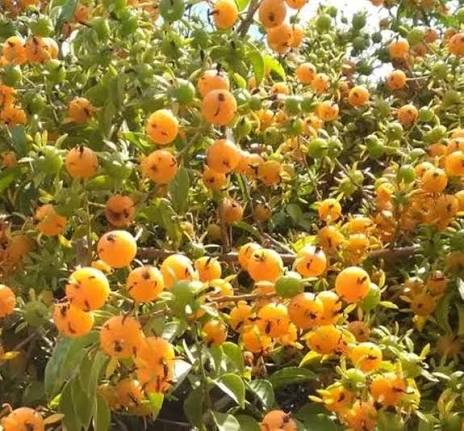
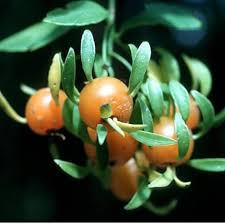
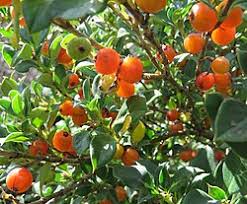
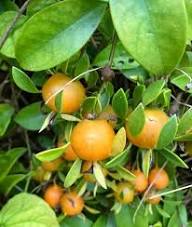
Fruit Characteristics: Produces small, rounded fruits that turn bright orange as they mature.
-
Plant Characteristics: Develops into a dense, thorny shrub with glossy green foliage and small, pale flowers.
-
Garden Uses: Suitable for ornamental landscapes, native plant collections, wildlife gardens, and natural hedges.
-
Special Feature: Its distinctive orange fruits and thorny branches create an attractive display in suitable gardens.
Growing Benefits
-
Colorful Garden Display: Enjoy bright orange fruits that add seasonal color to ornamental landscapes.
-
Evergreen Foliage: Maintain attractive green foliage throughout the year in suitable climates.
-
Wildlife Garden Interest: Dense branches provide shelter, while flowers and fruits may attract local wildlife.
-
Natural Garden Borders: Thorny stems and dense growth make this species suitable for informal hedges.
-
Botanical Collection: Cultivate an unusual Australian native shrub with distinctive ornamental characteristics.
Seed Specifications
-
Common Name: Orange Thorn
-
Botanical Name: Pittosporum multiflorum (synonym: Citriobatus pauciflorus)
-
Plant Type: Evergreen perennial thorny shrub
-
Colors: Bright orange fruits, pale flowers, glossy green foliage
-
Height: Approximately three to ten feet, depending on growing conditions
-
Sunlight: Partial shade to full shade; tolerates some sunlight
-
Soil: Well-drained sandy, loamy, or clay-based soil
-
Water: Moderate watering during establishment; established plants tolerate occasional dry periods
-
Germination Time: Variable; a reliable species-specific timeframe is not established
-
Sowing Depth: Approximately one-quarter inch as a general propagation guideline
-
Spacing: Approximately four to six feet between plants, depending on intended landscape use
-
Growing Zones: Suitable for mild temperate and subtropical climates; exact USDA hardiness zones are not well established
-
Flowering/Maturity: Small flowers generally appear during spring and summer, followed by orange fruits
-
Uses: Ornamental landscaping, native gardens, wildlife plantings, natural hedges, and botanical collections
Growing Tips
-
Sow Fresh Seeds: Plant freshly cleaned seeds whenever possible to improve the chances of successful establishment.
-
Maintain Soil Moisture: Keep the growing medium evenly moist without allowing waterlogging.
-
Provide Filtered Sunlight: Grow seedlings in bright, sheltered conditions before gradually introducing them to outdoor environments.
-
Allow Growing Space: Provide adequate room for spreading branches and avoid planting close to narrow walkways.
Seed Storage
Store Orange Thorn seeds in a clean, labeled container in a cool, dry location away from direct sunlight and excessive heat. Remove remaining fruit pulp before storage to reduce the risk of mold. Because long-term seed viability information for this species is limited, fresh sowing is recommended whenever possible.
Unique Facts About Seeds
-
Not a Citrus Plant: Despite its orange-colored fruits, Orange Thorn belongs to the Pittosporaceae family rather than the citrus family.
-
Australian Origin: The species occurs naturally in parts of eastern Australia, including Queensland and New South Wales.
-
Botanical Name History: Citriobatus pauciflorus is an older botanical name now generally treated as a synonym of Pittosporum multiflorum.
-
Distinctive Growth Habit: Its thorny branches and colorful fruits make it an unusual addition to native and specialty shrub collections.