


Key Features
-
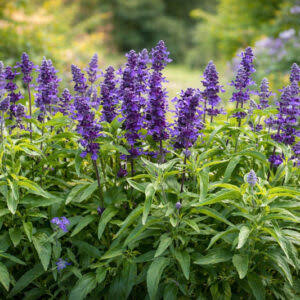
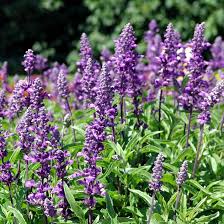
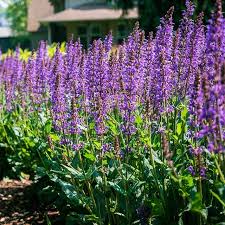
Violet-Blue Flower Spikes: Produces attractive upright stems with clusters of two-lipped blossoms.
-
Perennial Flowering Habit: Returns from established roots in suitable growing conditions.
-
Textured Green Foliage: Features broad, wrinkled basal leaves with softly toothed margins.
-
Pollinator Garden Appeal: Flowers attract bees and other nectar-visiting insects.
-
Natural Meadow Character: Complements sunny borders, cottage gardens, and naturalistic plantings.
Growing Benefits
-
Seasonal Garden Color: Violet-blue blossoms add vertical interest to perennial flower beds.
-
Pollinator-Friendly Flowers: Provides floral resources for visiting bees.
-
Naturalistic Landscape Appeal: Blends well with ornamental grasses and meadow-style flowers.
-
Moderate Water Requirements: Established plants tolerate some dry periods in well-draining soil.
-
Long-Lived Garden Interest: Suitable for perennial plantings with appropriate seasonal maintenance.
Seed Specifications
-
Common Name: Meadow Sage, Meadow Clary, Wild Sage
-
Botanical Name: Salvia pratensis
-
Plant Family: Lamiaceae
-
Plant Type: Ornamental Flowering Garden Sage
-
Plant Classification: Herbaceous Perennial
-
Variety: Species Form; Cultivar Not Specified
-
Flower Color: Violet Blue to Deep Lavender Blue; Occasionally Pink or White
-
Flower Shape: Tubular, Two-Lipped Flowers
-
Flower Arrangement: Whorls Along Upright Flowering Spikes
-
Foliage Color: Medium to Dark Green
-
Leaf Shape: Broad, Oval to Heart-Shaped
-
Leaf Margins: Rounded to Irregularly Toothed
-
Leaf Arrangement: Primarily Basal Rosette
-
Leaf Texture: Wrinkled, Slightly Hairy
-
Leaf Fragrance: Mildly Aromatic
-
Plant Height: Approximately 12–36 Inches
-
Plant Spread: Approximately 12–36 Inches
-
Growth Habit: Upright, Clump-Forming
-
Sunlight: Full Sun; Light Partial Shade Tolerated
-
Soil: Sandy, Gravelly, Loamy, Well-Draining Soil
-
Soil pH: Adaptable to Acidic, Neutral, and Alkaline Conditions
-
Water Requirements: Low to Moderate Once Established
-
Germination Time: Variable; Seed-Lot Performance Not Confirmed
-
Germination Temperature: Moderate Spring Propagation Conditions
-
Seed Preparation: No Mandatory Pretreatment Verified
-
Sowing Depth: Shallow Sowing With a Light Covering
-
Plant Spacing: Approximately 18–24 Inches
-
USDA Growing Zones: Approximately 4–8
-
Planting Season: Spring
-
Flowering Season: Late Spring Through Summer; Repeat Blooming Possible
-
Growth Maturity: Approximately 2–5 Years to Full Mature Size
-
Native Region: Europe and Parts of Western Asia and North Africa
-
Uses: Cottage Gardens, Perennial Borders, Pollinator Gardens, Ornamental Meadow Plantings
-
Seed Count Per Pack: Confirm Actual Quantity
-
Special Characteristics: Violet-Blue Flowers, Wrinkled Basal Leaves, Upright Spikes, Perennial Growth
Growing Tips
-
Choose Full Sun: Provide at least six hours of direct sunlight for abundant flowering.
-
Maintain Good Drainage: Use sandy or gravelly soil where possible and avoid prolonged waterlogging.
-
Water During Establishment: Keep young plants moderately moist while their root systems develop.
-
Remove Spent Flowers: Trim faded flowering spikes to encourage additional blooms.
-
Avoid Excessive Fertilizer: Moderate soil fertility is generally sufficient for established plants.
-
Monitor Self-Seeding: Remove unwanted seedlings and prevent seed escape into surrounding natural areas.
Seed Storage
-
Cool Storage: Keep seeds in a cool location with stable temperatures.
-
Dry Conditions: Store properly dried seeds in sealed, moisture-resistant containers.
-
Light Protection: Protect seed packets from prolonged direct sunlight.
-
Proper Labeling: Record the botanical name, seed lot, and collection date.
-
Seed Rotation: Test older seed lots before beginning larger propagation projects.
Unique Facts About the Seeds
-
European Meadow Origin: Meadow Sage naturally occurs in grasslands and open habitats across parts of Europe.
-
Distinctive Flower Structure: Its two-lipped flowers are arranged in spaced whorls along upright stems.
-
Wrinkled Basal Foliage: Broad leaves form a recognizable rosette near the base of the plant.
-
Repeat Flowering Potential: Removing spent spikes can encourage additional flowers during suitable summer conditions.
-
Seed-Grown Flower Variation: Although violet-blue is typical, species-grown plants may occasionally produce pink or white flowers.