


Key Features
-
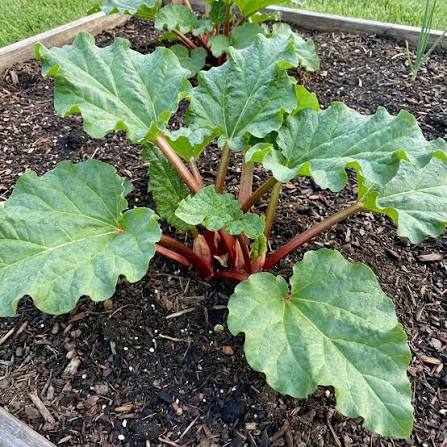
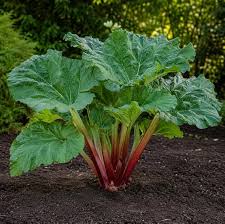
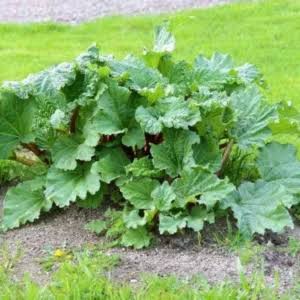
Large Architectural Leaves: Produces broad green foliage that adds bold texture to ornamental landscapes.
-
Himalayan Mountain Origin: Naturally associated with mountainous environments across the Himalayan region.
-
Tall Flowering Stalks: Mature plants develop upright stems carrying branching flower clusters.
-
Perennial Growth Habit: Returns from an established underground root system in suitable conditions.
-
Distinctive Botanical Appearance: Combines large leaves, thick stalks, and prominent seasonal flowering structures.
Growing Benefits
-
Dramatic Foliage Display: Large leaves create an eye-catching feature in spacious garden beds.
-
Mountain Garden Character: Complements cool-climate botanical and naturalistic landscapes.
-
Perennial Garden Structure: Established crowns provide recurring seasonal foliage.
-
Seasonal Flowering Interest: Tall inflorescences add vertical contrast above the leaves.
-
Botanical Collection Value: Introduces an unusual high-altitude rhubarb species to ornamental plant collections.
Seed Specifications
-
Common Name: Himalayan Rhubarb, Indian Rhubarb
-
Accepted Botanical Name: Rheum australe
-
Botanical Synonym: Rheum emodii (commonly written Rheum emodi)
-
Plant Family: Polygonaceae
-
Plant Type: Ornamental Large-Leaf Mountain Perennial
-
Plant Classification: Herbaceous Rhizomatous Perennial
-
Flower Color: Reddish Purple
-
Flower Shape: Small, Nodding Flowers
-
Flower Arrangement: Tall, Branching Panicles
-
Foliage Color: Medium Green, Sometimes Bronze-Tinted When Young
-
Leaf Shape: Broadly Oval to Rounded, Often Heart-Shaped at the Base
-
Leaf Margins: Wavy
-
Leaf Texture: Coarsely Hairy Beneath
-
Leaf Stalks: Long, Thick, Often Reddish
-
Plant Height: Approximately 5–8 Feet
-
Plant Spread: Approximately 5–8 Feet
-
Growth Habit: Upright, Clump-Forming, Rhizomatous
-
Sunlight: Full Sun to Partial Shade
-
Soil: Deep, Fertile, Moist but Well-Draining Loam or Clay
-
Soil pH: Not Reliably Established for All Growing Conditions
-
Water Requirements: Moderate to High During Active Growth
-
Germination Time: Variable; Seed-Lot Timing Not Verified
-
Germination Temperature: Cool Spring Conditions
-
Seed Preparation: Autumn Sowing May Provide Natural Winter Chilling
-
Sowing Depth: Shallow Covering With Fine Growing Medium
-
Plant Spacing: Approximately 5–8 Feet
-
USDA Growing Zones: Not Verified for This Seed Lot
-
Planting Season: Autumn or Early Spring
-
Flowering Season: Summer
-
Foliage Season: Spring Through Autumn
-
Time to Mature Size: Approximately 2–5 Years
-
Native Region: Himalayas, From Northern Pakistan Toward Northern Myanmar
-
Natural Habitat: Subalpine Mountain Slopes and Open Highland Habitats
-
Uses: Botanical Gardens, Ornamental Borders, Mountain-Inspired Landscapes, Large Foliage Displays
-
Seed Count Per Pack: Confirm Actual Quantity
-
Special Characteristics: Oversized Leaves, Reddish Stalks, Tall Flower Panicles, Perennial Rhizome
Growing Tips
-
Choose a Cool Growing Location: Himalayan Rhubarb is best suited to cooler climates and may struggle with prolonged summer heat.
-
Provide Deep, Fertile Soil: Prepare a spacious planting bed with good moisture retention and drainage.
-
Maintain Consistent Moisture: Avoid allowing the root zone to become excessively dry during active growth.
-
Allow Generous Spacing: Mature leaves can occupy considerable space, so avoid overcrowding.
-
Mulch in Spring: Apply organic mulch around established plants to conserve soil moisture.
-
Protect Emerging Leaves: Monitor young spring growth for slugs and other leaf-feeding pests.
Seed Storage
-
Cool Storage: Keep seeds in a cool environment away from excessive heat.
-
Dry Conditions: Store fully dried seeds in airtight, moisture-resistant containers.
-
Light Protection: Protect seeds from prolonged direct sunlight.
-
Proper Labeling: Record the botanical name, collection date, and seed-lot information.
-
Seed Rotation: Test older seed lots before beginning large-scale propagation.
Unique Facts About the Seeds
-
Updated Botanical Name: Rheum emodi is treated as a synonym of the accepted species Rheum australe.
-
Remarkable Leaf Size: Mature leaves can reach approximately 30 inches in length under favorable conditions.
-
High-Mountain Origin: The species naturally occurs in Himalayan subalpine habitats.
-
Seasonal Flower Display: Mature plants develop tall, branching clusters of small reddish-purple flowers.
-
Dormant Winter Crown: The aboveground foliage dies back seasonally while the established underground root system persists.