



Key Features
-
Elegant Purple Flower Clusters: Golden Dewdrop (Duranta erecta) produces attractive lavender-blue to violet flowers arranged in delicate, drooping clusters. Many plants display flowers with pale or white-edged petals, adding ornamental appeal to warm-climate gardens.
-
Decorative Golden Berries: Following successful pollination, plants may produce rounded berries that mature from green to golden-yellow or orange. These colorful fruits provide additional ornamental interest but are poisonous if consumed.
-
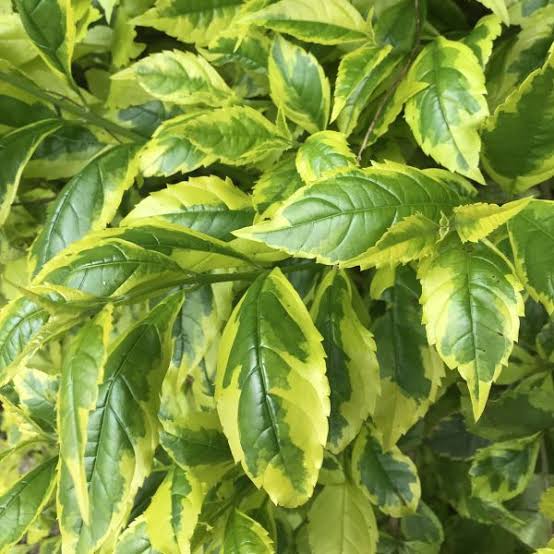
Lush Evergreen Foliage: Develops glossy to slightly textured green leaves on branching stems. In frost-free climates, Golden Dewdrop can maintain attractive foliage throughout the year.
-
Versatile Shrub Growth: Can be trained as a flowering hedge, ornamental shrub, small tree, or container specimen. Regular pruning helps maintain a compact shape and encourages branching.
-
Tropical Garden Appeal: Combines colorful flowers, arching branches, and decorative fruit clusters, making it suitable for tropical landscapes, ornamental borders, and warm-climate garden designs.
Growing Benefits
-
Long Seasonal Flowering: In warm, favorable climates, Golden Dewdrop can produce flowers over an extended growing season, providing attractive color from spring through autumn and sometimes longer in frost-free regions.
-
Butterfly Garden Interest: Its nectar-bearing flowers can attract butterflies and other visiting pollinators, making it a useful ornamental addition where the species is appropriate to grow.
-
Flexible Landscape Uses: Grow as a flowering hedge, privacy planting, patio container specimen, or accent shrub, depending on available space and pruning preferences.
-
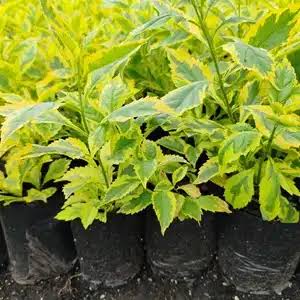
Container Gardening Potential: Young plants can be cultivated in large containers with well-draining potting mix, allowing gardeners in colder climates to move them into protected conditions during winter.
-
Adaptable Established Growth: Once established, Golden Dewdrop can tolerate short periods of dry weather, although regular moisture supports healthier foliage and flowering.
Seed Specifications
-
Common Name: Golden Dewdrop, Skyflower, Pigeon Berry
-
Botanical Name: Duranta erecta
-
Plant Family: Verbenaceae
-
Type: Purple Flowering Ornamental Shrub
-
Plant Type: Evergreen perennial shrub or small tree in frost-free climates
-
Variety: Species form; specific cultivar not identified
-
Flower Colors: Lavender-blue, violet, purple, occasionally pale blue or white depending on genetic variation
-
Foliage Color: Green
-
Fruit Color: Golden-yellow to orange when mature
-
Height: Approximately 6–15 feet in typical landscape cultivation; potentially taller in favorable tropical conditions
-
Spread: Approximately 4–10 feet, depending on pruning and growing conditions
-
Sunlight: Full sun to partial shade
-
Soil: Fertile, well-draining sandy or loamy soil
-
Soil pH: Approximately 6.0–7.5
-
Water: Moderate watering during establishment; established plants tolerate occasional dry periods
-
Germination Time: Variable, often approximately 3–8 weeks or longer
-
Germination Temperature: Warm conditions around 70–85°F
-
Sowing Depth: Approximately ¼ inch
-
Spacing: Approximately 4–6 feet for individual shrubs; adjust for hedging and mature size
-
Growing Zones: Generally USDA Zones 9b–11 for outdoor perennial cultivation, with frost protection needed in marginal areas
-
Planting Season: Spring through early summer, after frost danger has passed
-
Flowering/Maturity: Flowering may begin after one or more growing seasons from seed, depending on conditions
-
Growth Habit: Upright to arching, densely branching shrub
-
Uses: Ornamental hedges, tropical landscapes, flowering borders, patio containers, butterfly gardens, and decorative shrub plantings
-
Seed Count Per Pack: 100 pcs
-
Toxicity: Berries and other plant parts should not be consumed; keep away from children and pets
-
Invasiveness: Can spread aggressively and is considered invasive in some warm regions; check local regulations before planting
Growing Tips
-
Choose a Warm Growing Location: Plant Golden Dewdrop in a sunny, sheltered position with well-draining soil. Warm temperatures support active growth, healthy foliage, and abundant flower production.
-
Maintain Warm Germination Conditions: Sow seeds in a moist, well-draining propagation medium and maintain temperatures around 70–85°F. Germination can be irregular, so allow sufficient time for seedlings to emerge.
-
Provide Adequate Sunlight: Grow plants in full sun for the strongest flowering display. Partial shade is tolerated, but excessive shade may reduce the number of flowers produced.
-
Prune to Maintain Shape: Trim established shrubs during active growth to control height, improve branching, and maintain a tidy hedge or ornamental form. Wear gloves because some plants develop short spines along their branches.
-
Protect Against Frost: Move container-grown plants indoors or into protected growing spaces before freezing temperatures arrive. Outdoor plants in marginal climates may suffer leaf drop or stem damage during cold weather.
-
Manage Fruit and Seed Spread: Remove unwanted fruit clusters before seeds disperse, particularly in regions where Golden Dewdrop is invasive or capable of naturalizing beyond cultivated landscapes.
Seed Storage
-
Cool Storage: Store clean, dry Golden Dewdrop seeds in a cool environment away from direct sunlight and excessive heat.
-
Dry Conditions: Keep seeds in airtight or moisture-resistant containers to protect them from high humidity and fungal deterioration.
-
Moisture Protection: Avoid condensation, standing moisture, and repeated temperature changes during storage.
-
Seed Freshness: Label packets with the botanical name and storage date. Germination performance may vary with seed maturity, handling, and storage conditions.
-
Long-Term Preservation: Maintain properly dried seeds in sealed containers under stable, cool conditions. Test a small sample for germination when using older seed lots.
Unique Facts About the Seeds
-
A Member of the Verbena Family: Golden Dewdrop belongs to Verbenaceae, the botanical family that also includes ornamental verbenas and several other flowering shrubs.
-
Native to Tropical America: Duranta erecta originates from tropical and subtropical regions of the Americas and is now cultivated in many warm regions worldwide.
-
Flowers and Fruits on the Same Plant: Under suitable conditions, Golden Dewdrop may display purple flowers and golden berries simultaneously, creating a striking ornamental combination.
-
Seed Propagation Produces Variation: Plants grown from seeds may differ in flower color, foliage appearance, growth habit, and other characteristics. Named ornamental cultivars are usually propagated vegetatively to maintain consistent traits.
-
Wildlife and Ecological Considerations: Flowers can attract pollinators, while birds may consume the fruits and disperse seeds. This natural dispersal contributes to the plant's invasive potential in some regions.