


Key Features
-
Hardy Perennial Growth: Develops a woody, perennial structure with winter persistence in suitable conditions.
-
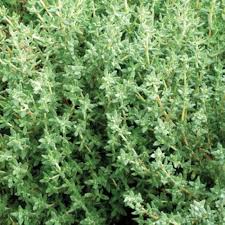
Aromatic Evergreen Foliage: Produces small gray-green leaves with a characteristic thyme fragrance.
-
Delicate Pink to Lilac Flowers: Displays clusters of small blossoms during the flowering season.
-
Compact Bushy Structure: Forms densely branching stems suitable for herb borders and containers.
-
Classic Garden Thyme: Represents a familiar culinary herb species widely grown in home gardens.
Growing Benefits
-
Fragrant Garden Foliage: Adds distinctive thyme fragrance to sunny planting areas.
-
Year-Round Structure: Evergreen foliage provides lasting ornamental interest where winter conditions permit.
-
Compact Herb Borders: Fits well into raised beds, small garden spaces, and decorative containers.
-
Seasonal Flower Display: Small pink to lilac blossoms add subtle summer color.
-
Harvestable Garden Leaves: Established plants provide aromatic leaves for ordinary culinary seasoning when correctly identified and appropriately grown.
Seed Specifications
-
Common Name: German Winter Thyme, German Thyme, Common Thyme
-
Botanical Name: Thymus vulgaris
-
Cultivar Name: German Winter; Seed-Lot Identity Requires Confirmation
-
Plant Family: Lamiaceae
-
Plant Type: Aromatic Culinary Garden Herb
-
Plant Classification: Evergreen Woody Perennial
-
Flower Color: White, Pale Pink to Lilac
-
Flower Shape: Small, Two-Lipped Tubular Flowers
-
Flower Arrangement: Terminal Clusters and Whorls
-
Foliage Color: Dark Gray Green
-
Leaf Shape: Small, Linear to Oval
-
Leaf Arrangement: Opposite
-
Leaf Fragrance: Distinctive Thyme Aroma
-
Plant Height: Approximately 6–12 Inches
-
Plant Spread: Approximately 10–16 Inches
-
Growth Habit: Compact, Bushy, Woody-Based
-
Sunlight: Full Sun
-
Soil: Sandy, Loamy, Chalky, Well-Draining Soil
-
Soil pH: Neutral to Slightly Alkaline Preferred
-
Water Requirements: Low to Moderate Once Established
-
Germination Time: Approximately 14–21 Days Under Suitable Conditions
-
Germination Temperature: Approximately 67–70°F
-
Seed Preparation: No Routine Cold Stratification Required
-
Sowing Depth: Surface Sow or Cover Very Lightly
-
Plant Spacing: Approximately 8–12 Inches
-
USDA Growing Zones: Approximately 5–9
-
Planting Season: Spring to Early Summer
-
Flowering Season: Late Spring to Summer
-
Maturity: Initial Establishment During the First Growing Season; Fuller Growth Develops Over Time
-
Native Region: Western Mediterranean Region
-
Uses: Culinary Herb Gardens, Raised Beds, Containers, Sunny Borders, Rock Gardens
-
Seed Count Per Pack: Confirm Actual Quantity
-
Special Characteristics: Winter-Hardy Selection, Aromatic Foliage, Compact Growth, Evergreen Structure
Growing Tips
-
Provide Full Sun: Select a location receiving at least six hours of direct sunlight daily.
-
Improve Soil Drainage: Use sandy or gritty soil to prevent prolonged water saturation.
-
Avoid Excessive Watering: Allow the upper soil to dry slightly between watering established plants.
-
Trim Regularly: Lightly prune young green stems to maintain compact, branching growth.
-
Protect From Winter Wetness: Raised beds and containers can help manage excess moisture during cold seasons.
-
Harvest Carefully: Allow young plants to establish before regularly cutting aromatic foliage.
Seed Storage
-
Cool Storage: Keep seeds in a cool, stable environment away from excessive heat.
-
Dry Conditions: Store properly dried seeds in sealed, moisture-resistant containers.
-
Light Protection: Protect stored seeds from prolonged direct sunlight.
-
Proper Labeling: Record the botanical name, cultivar designation, seed lot, and collection date.
-
Seed Rotation: Check older seed lots before planning larger sowings.
Unique Facts About the Seeds
-
German Winter Selection: This thyme is commonly marketed for its comparatively good winter hardiness.
-
Mediterranean Heritage: Thymus vulgaris originates from the western Mediterranean region.
-
Woody Perennial Structure: Mature plants develop persistent woody stems supporting small aromatic leaves.
-
Tiny Seed Formation: After flowering, thyme develops small nutlets containing its seeds.
-
Seed-Grown Variation: Seedlings may vary in growth habit, fragrance intensity, and cold tolerance if the seed line is not maintained as a uniform selection.