


Key Features
-
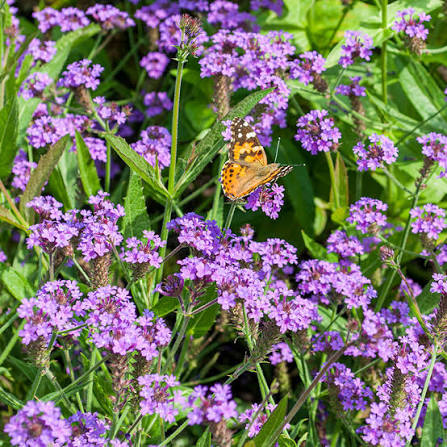
Delicate Lilac Flowers: Produces tiny pale lilac to lavender-purple blossoms along slender flowering spikes.
-
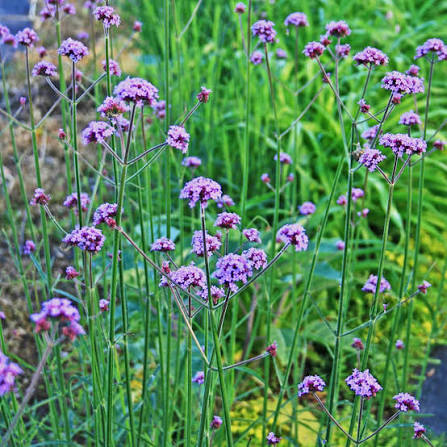
Airy Branching Stems: Develops upright, open growth that adds a light, natural texture to ornamental plantings.
-
Textured Green Foliage: Features opposite leaves with toothed or deeply lobed margins.
-
Extended Seasonal Flowering: Produces small blossoms successively along developing spikes during summer.
-
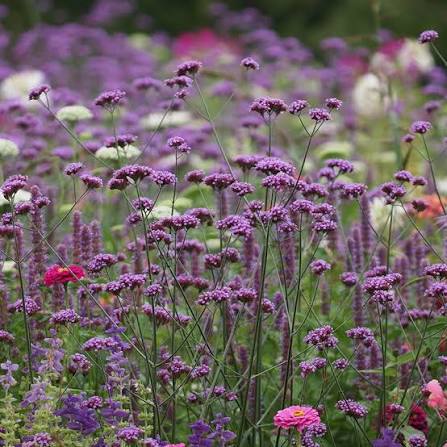
Traditional Cottage Garden Character: Complements informal borders, meadow-inspired displays, and botanical collections.
Growing Benefits
-
Soft Floral Color: Adds subtle lilac-purple shades to sunny garden arrangements.
-
Naturalistic Garden Texture: Fine flowering spikes contrast beautifully with broader-leaved ornamental plants.
-
Pollinator Interest: Small flowers attract bees and other visiting insects.
-
Adaptable Growth Habit: Established plants tolerate moderately dry conditions in well-draining soils.
-
Seasonal Botanical Interest: Offers distinctive foliage, branching stems, and delicate flowering structures throughout the growing season.
Seed Specifications
-
Common Name: European Vervain, Common Vervain, Common Verbena
-
Botanical Name: Verbena officinalis
-
Plant Family: Verbenaceae
-
Type: Ornamental Flowering Garden Plant
-
Plant Classification: Short-Lived Herbaceous Perennial
-
Variety: Species Form; Cultivar Not Specified
-
Flower Color: Pale Lilac, Lavender, Light Purple, Occasionally Whitish
-
Flower Shape: Small, Five-Lobed Tubular Flowers
-
Flower Arrangement: Slender, Branched Flowering Spikes
-
Foliage Color: Medium Green
-
Leaf Shape: Opposite, Toothed to Deeply Lobed
-
Plant Height: Approximately 12–36 Inches
-
Plant Spread: Approximately 12–24 Inches
-
Growth Habit: Upright, Branching, Open
-
Sunlight: Full Sun to Partial Shade
-
Soil: Average, Well-Draining Garden Soil
-
Soil pH: Slightly Acidic to Alkaline
-
Water Requirements: Moderate During Establishment; Lower Once Established
-
Germination Time: Approximately 14–35 Days Under Favorable Conditions; Sometimes Longer
-
Germination Temperature: Approximately 60–70°F
-
Seed Preparation: Cold Moist Stratification May Improve Germination
-
Sowing Depth: Surface Sow or Cover Very Lightly
-
Plant Spacing: Approximately 12–18 Inches
-
USDA Growing Zones: Approximately 5–9, Depending on Winter Conditions
-
Planting Season: Spring or Autumn
-
Flowering Season: Summer to Early Autumn
-
Maturity: Flowering May Begin During the First Growing Season
-
Native Region: Europe, Parts of Asia, and North Africa
-
Uses: Cottage Gardens, Wildflower Borders, Naturalistic Plantings, Botanical Collections
-
Seed Count Per Pack: Confirm Actual Quantity
-
Special Characteristics: Delicate Lilac Flowers, Slender Spikes, Open Branching Growth
Growing Tips
-
Choose a Sunny Location: Full sunlight generally encourages stronger flowering and compact growth.
-
Maintain Good Drainage: Avoid locations where water remains standing for extended periods.
-
Consider Cold Stratification: Some seed lots germinate more reliably after exposure to cool, moist conditions.
-
Avoid Excessive Fertilizer: Moderately fertile soil supports balanced flowering and foliage development.
-
Remove Spent Growth: Trim older flowering stems to maintain a tidy ornamental appearance.
-
Monitor Self-Seeding: Remove developing seed heads if plants begin spreading beyond intended garden areas.
Seed Storage
-
Cool Storage: Keep seeds in a cool location protected from excessive heat.
-
Dry Conditions: Store fully dried seeds in sealed, moisture-resistant containers.
-
Light Protection: Avoid prolonged exposure to direct sunlight.
-
Proper Labeling: Record the botanical name, seed lot, and collection date.
-
Seed Viability: Test older seed lots before larger sowing projects.
Unique Facts About the Seeds
-
Member of the Verbena Family: European Vervain belongs to Verbenaceae, a family containing numerous ornamental flowering plants.
-
Delicate Flowering Structure: Tiny blossoms open progressively along slender flower spikes rather than forming large, dense flower heads.
-
Variable Life Cycle: Depending on climate and growing conditions, the species may behave as a perennial, biennial, or annual.
-
Traditional European Garden Plant: European Vervain has been cultivated and recognized in European botanical gardens for generations.
-
Naturally Adaptable Species: The plant occurs in open grasslands, roadsides, and other sunny habitats across its native and introduced ranges.