




Key Features
-
Botanical variety: European centaury, a traditional medicinal herb.
-
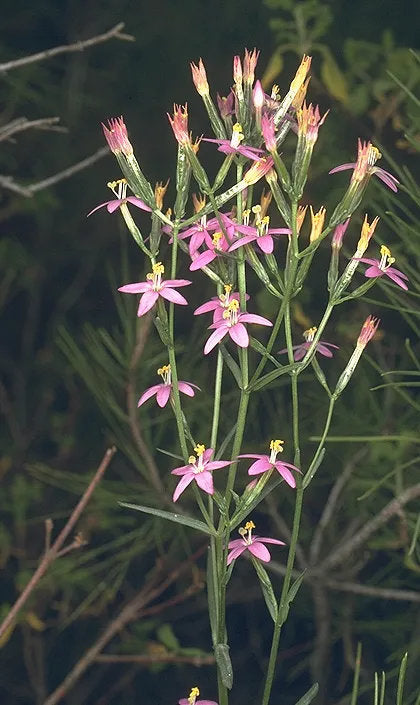
Delicate pink flowers with a star-shaped appearance.
-
Upright stems and opposite leaves create a graceful garden form.
-
Suitable for herb gardens, cottage gardens, and wildflower areas.
-
Attracts pollinators with its small, nectar-producing flowers.
Growing Benefits
-
Adds delicate pink blooms to herb and wildflower gardens.
-
Offers an opportunity to grow a traditional European herb.
-
Supports pollinators through its nectar-rich summer flowers.
-
Introduces a distinctive plant to botanical and cottage gardens.
-
Provides an interesting subject for learning about medicinal herbs.
Seed Specifications
-
Common Name: European centaury, common centaury
-
Botanical Name: Centaurium erythraea
-
Plant Type: Biennial or short-lived perennial herb
-
Colors: Pink to rose-pink flowers; green foliage
-
Height: Usually around 15–50 cm, depending on growing conditions
-
Sunlight: Full sun to partial shade
-
Soil: Well-drained, moderately fertile soil
-
Water: Moderate; keep soil lightly moist during establishment
-
Germination Time: Often two to four weeks under suitable conditions
-
Sowing Depth: Surface sow or cover very lightly
-
Spacing: Approximately 20–30 cm between plants
-
Growing Zones: Generally suited to temperate climates; hardiness varies by location
-
Flowering/Maturity: Usually flowers in summer; timing depends on sowing and climate
-
Uses: Ornamental herb gardens, wildflower planting, and traditional herbal interest
Growing Tips
-
Sow seeds on the soil surface because they need light to germinate.
-
Choose a sunny spot with well-drained soil.
-
Keep the seedbed evenly moist while seedlings establish.
-
Thin seedlings gradually to allow enough room for mature plants.
Seed Storage
Store seeds in a cool, dry, dark place in a sealed container. Keep away from moisture, heat, and direct sunlight. Label the container with the plant name and storage date.
Unique Facts About the Seeds
-
European centaury belongs to the gentian family, Gentianaceae.
-
Its small pink flowers typically open in sunny weather.
-
The plant has a long history in European traditional herbal practices.
-
Centaury seeds are tiny and benefit from surface sowing rather than deep burial.