


Key Features
-
Plant Variety: Eleuthero, a deciduous woody shrub native to Northeast Asia.
-
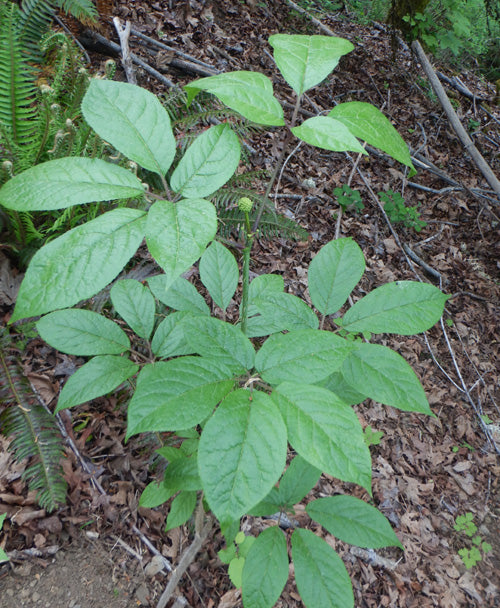
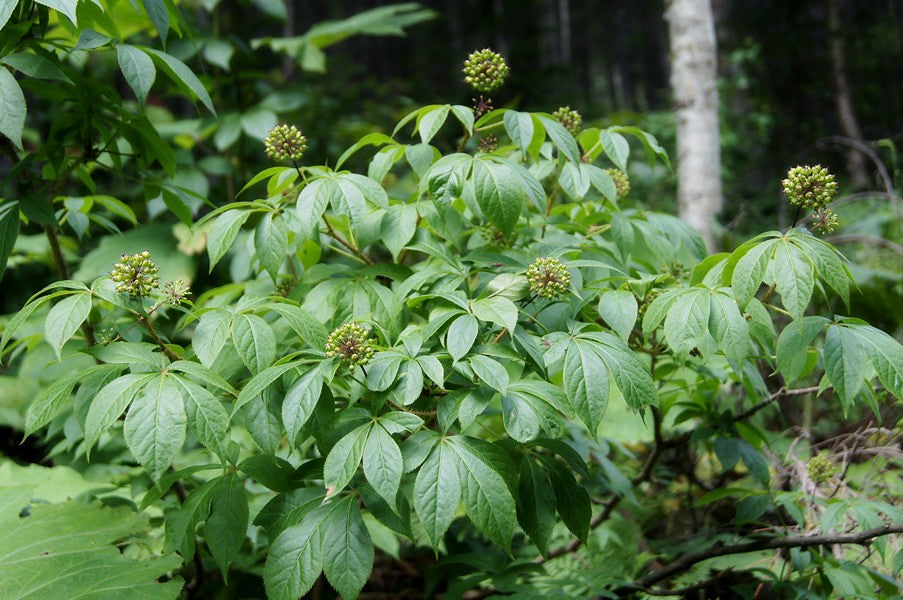
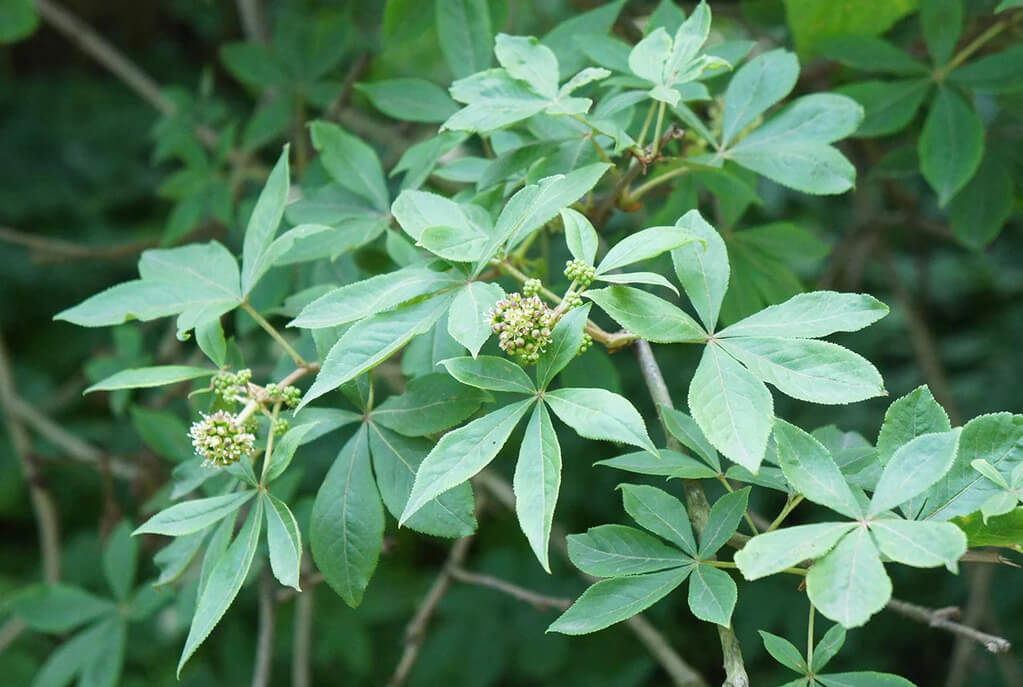
Attractive Appearance: Features green, palmately compound leaves and thorny stems.
-
Flowers and Fruits: Produces small, pale flowers followed by dark purple-black berries.
-
Garden Uses: Suitable for woodland gardens, shaded landscapes, and medicinal herb collections.
-
Distinctive Plant: A hardy, slow-growing perennial shrub with an interesting botanical history.
Growing Benefits
-
Adds an unusual medicinal herb shrub to your garden collection.
-
Creates natural woodland beauty with attractive green foliage.
-
Produces delicate flowers and decorative dark-colored berries.
-
Provides an interesting long-term gardening project for plant enthusiasts.
-
Suitable for gardeners interested in traditional Asian medicinal plants.
Seed Specifications
-
Common Name: Eleuthero, Siberian Ginseng, Devil's Bush.
-
Botanical Name: Eleutherococcus senticosus.
-
Plant Type: Deciduous perennial woody shrub.
-
Colors: Green foliage, pale greenish-white flowers, and dark purple-black berries.
-
Height: Approximately two to two-and-a-half meters at maturity.
Growing Tips
-
Choose the Right Location: Select a partially shaded location with protection from strong winds.
-
Prepare the Soil: Use fertile, humus-rich soil with good drainage.
-
Maintain Moisture: Keep the soil consistently moist without allowing waterlogging.
-
Be Patient: Eleuthero seeds require special preparation and can germinate slowly and irregularly.
Seed Storage
-
Store seeds in a cool, dry location before preparation.
-
Keep them in an airtight container to protect against excess moisture.
-
Avoid direct sunlight and high temperatures.
-
Keep seeds away from humidity and extreme temperature changes.
-
Follow appropriate seed stratification instructions before sowing.
Unique Facts About Eleuthero Seeds
-
Not True Ginseng: Despite its common name, Siberian Ginseng belongs to a different botanical genus from true ginseng (Panax).
-
Native Woodland Plant: Eleuthero naturally grows in forested regions of China, Korea, Japan, and Siberia.
-
Distinctive Stems: Mature plants develop woody stems with small prickles.
-
Traditional Herbal History: Its roots have a long history of use in traditional East Asian herbal practices.