Passer aux informations produits
1 de 3

Eden Valley Seeds

Echinacea Pallida Seeds – Pale Purple Coneflower Perennial Flower Seeds

Echinacea Pallida Seeds – Pale Purple Coneflower Perennial Flower Seeds

Prix habituel €17,95 EUR
Prix habituel Prix promotionnel €17,95 EUR
Promotion Épuisé
Taxes incluses. Frais d'expédition calculés à l'étape de paiement.
size
Quantité

DELIVERY ESTIMATE

—

Estimated arrival

ORDER—Order placed
ORDER READY—Processing estimate
DELIVERED—Estimated delivery

♢

Secure checkout
Carefully packed seeds
Tracked delivery
Quality-focused selection
Afficher tous les détails

Key Features

  • Plant Variety: Echinacea pallida, commonly known as Pale Purple Coneflower.

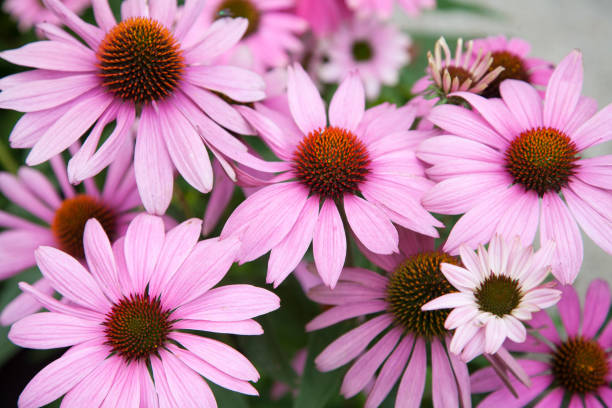
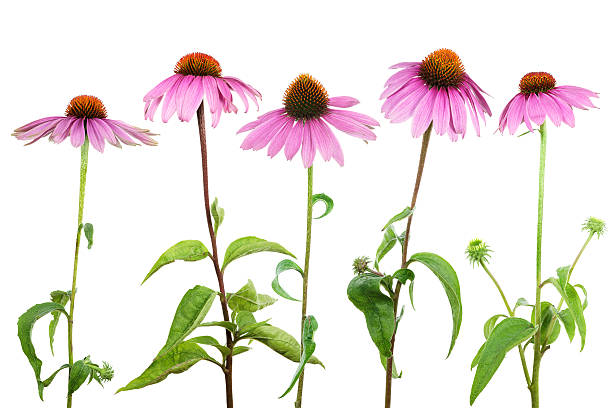
  • Flower Appearance: Elegant pale pink to purple petals that droop gracefully around a prominent central cone.

  • Plant Characteristics: Hardy perennial wildflower with slender leaves and a deep-growing taproot.

  • Garden Uses: Ideal for cottage gardens, wildflower meadows, borders, and natural landscaping.

  • Pollinator Friendly: Attractive flowers provide nectar and pollen for bees and butterflies.

Growing Benefits

  • Adds graceful pale purple flowers to sunny garden spaces.

  • Attracts beneficial pollinators and supports garden biodiversity.

  • Returns each year as an established perennial flowering plant.

  • Tolerates dry conditions once its deep roots develop.

  • Creates a natural wildflower appearance with minimal maintenance.

Seed Specifications

  • Common Name: Pale Purple Coneflower

  • Botanical Name: Echinacea pallida

  • Plant Type: Herbaceous perennial flowering plant

  • Colors: Pale pink, soft purple, and lavender petals with a copper-brown central cone

  • Height: Approximately 24–36 inches

  • Sunlight: Full sun; tolerates light partial shade

  • Soil: Well-drained sandy, loamy, or moderately fertile soil

  • Water: Moderate during establishment; occasional watering once established

  • Germination Time: Approximately 10–21 days under favorable conditions; germination can take longer

  • Sowing Depth: Surface sow or cover very lightly

  • Spacing: Approximately 18–24 inches between plants

  • Growing Zones: USDA Zones 3–8

  • Flowering/Maturity: Late spring through summer, depending on climate and growing conditions

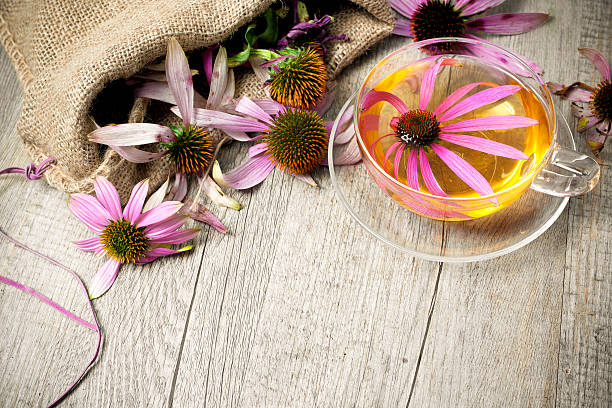
  • Uses: Wildflower gardens, pollinator habitats, ornamental borders, native landscapes, and traditional herbal plant collections

Growing Tips

  • Select an open location receiving plenty of direct sunlight.

  • Plant in well-drained soil to encourage healthy root development.

  • Keep the soil consistently moist during the early germination stage.

  • Avoid disturbing established plants because they develop deep taproots.

Seed Storage

Store Echinacea pallida seeds in a cool, dry, and dark place. Keep them in an airtight container or sealed seed packet to protect them from moisture and excessive heat. Avoid direct sunlight and label the container with the plant name and storage date.

Unique Facts About Echinacea Pallida Seeds

  • Echinacea pallida is native to central North America, particularly prairie habitats.

  • Its long, drooping petals give it a distinctive appearance compared with other coneflowers.

  • The prominent central cone contains numerous small individual flowers.

  • Its deep taproot helps established plants tolerate periods of dry weather.

Growing Instructions

Planting Season

Sow seeds during autumn or early spring. Autumn planting provides natural winter exposure, while spring planting can benefit from cold-moist stratification before sowing.

Sowing

Prepare a seed tray or outdoor garden bed using a well-draining growing medium. Scatter seeds over the soil surface and gently press them into the growing medium.

Sowing Depth and Spacing

Surface sow or cover seeds with a very thin layer of soil. Once seedlings are established, thin or transplant them approximately 18–24 inches apart.

Sunlight Requirements

Choose a location receiving full sunlight for healthy growth and abundant flowering. Light partial shade is generally tolerated, but full sun is preferable.

Soil Requirements

Use well-drained sandy or loamy soil. Avoid waterlogged locations, as excessive moisture can damage developing roots.

Watering

Water gently after sowing and maintain consistent soil moisture during germination. Once plants become established, reduce watering and provide additional moisture during extended dry periods.

Germination

Seeds generally germinate within approximately 10–21 days under favorable conditions, although germination may be slower or uneven. Cold-moist stratification for approximately 30–60 days can help improve germination.

Transplanting

When seedlings develop several true leaves and are strong enough to handle, transplant them carefully into their permanent growing location. Handle the roots gently because this species develops a taproot.

Fertilizing

Apply a light amount of balanced fertilizer if the soil lacks nutrients. Avoid excessive fertilization because overly rich soil can encourage excessive foliage growth.

Plant Care

Remove competing weeds and maintain good drainage around the plants. Allow sufficient growing space and avoid unnecessary root disturbance. Established plants generally require relatively little maintenance.

Flowering and Maturity

Echinacea pallida typically flowers from late spring into summer. Plants may need more than one growing season to become fully established and produce abundant blooms.