



Key features
-
Native North American perennial wildflower with deeply divided foliage.
-
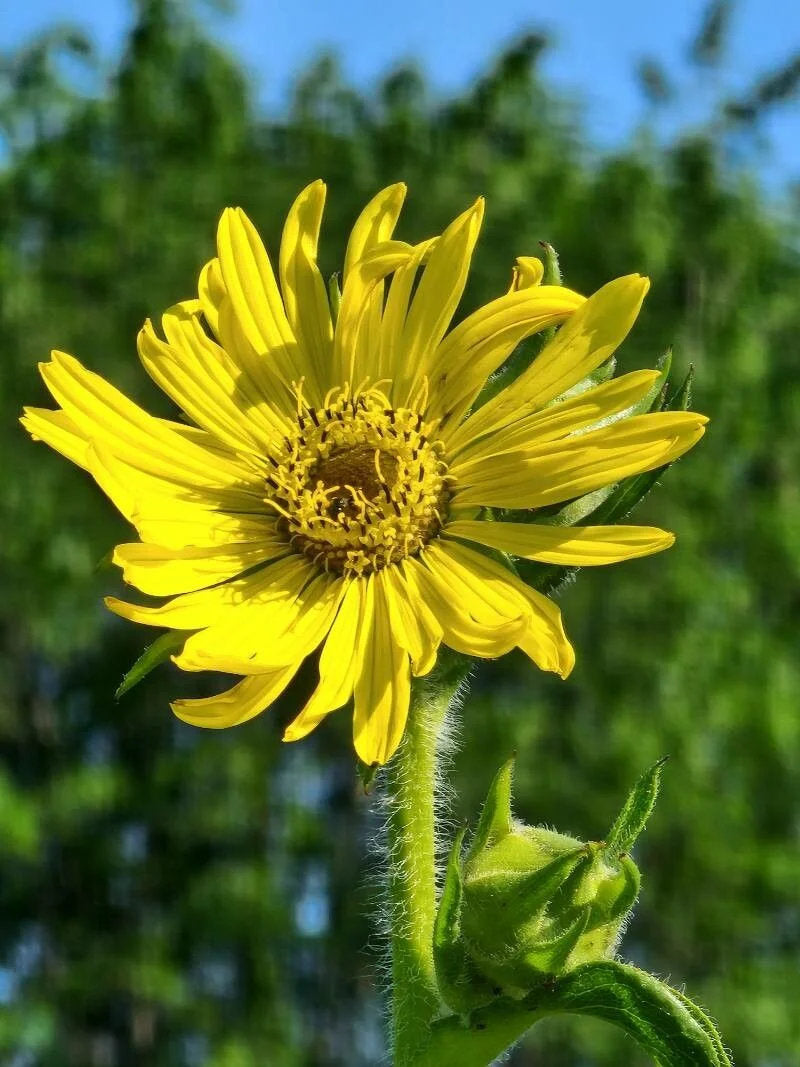
Bright yellow, daisy-like flowers bloom during summer.
-
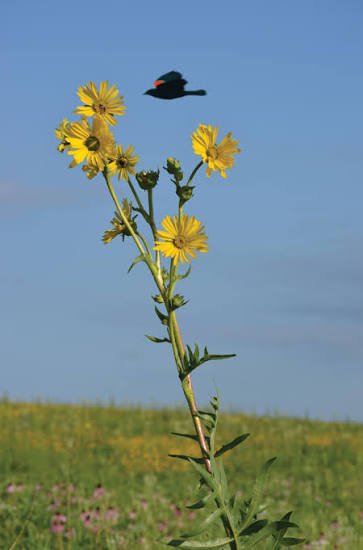
Tall, upright stems create a striking garden feature.
-
Deep taproot helps the plant withstand dry conditions once established.
-
Suitable for prairie gardens, native plantings, and pollinator-friendly landscapes.
Growing benefits
-
Adds cheerful yellow blooms to sunny garden spaces.
-
Provides a natural habitat for bees and other pollinators.
-
Offers an attractive, low-maintenance option for established native gardens.
-
Develops distinctive foliage that adds texture and visual interest.
-
Supports long-term garden growth with its deep-rooted perennial habit.
Seed specifications
-
Common Name: Compass Plant
-
Botanical Name: Silphium laciniatum
-
Plant Type: Herbaceous perennial wildflower
-
Colors: Yellow flowers, green foliage
-
Height: Typically six to nine feet
-
Sunlight: Full sun
-
Soil: Well-drained soil, including clay, loam, and sandy soils
-
Water: Moderate during establishment; drought-tolerant once established
-
Germination Time: Variable; often several weeks with suitable conditions
-
Sowing Depth: Surface-sow or cover lightly with soil
-
Spacing: Approximately three to four feet apart
-
Growing Zones: USDA zones three through eight
-
Flowering/Maturity: Summer flowering; may take several years to bloom from seed
-
Uses: Native gardens, prairie plantings, pollinator gardens, and ornamental landscapes
Growing benefits
-
Adds cheerful yellow blooms to sunny garden spaces.
-
Provides a natural habitat for bees and other pollinators.
-
Offers an attractive, low-maintenance option for established native gardens.
-
Develops distinctive foliage that adds texture and visual interest.
-
Supports long-term garden growth with its deep-rooted perennial habit.
Growing tips
-
Cold-stratify seeds before spring sowing to improve germination.
-
Choose a permanent planting location with plenty of sunlight and room for the deep taproot.
-
Keep the soil consistently moist while seedlings establish, without allowing waterlogging.
-
Protect young plants from weeds and avoid disturbing their roots.
Seed storage
Store seeds in a cool, dry, dark place in a sealed, labeled container. Keep them away from heat and moisture. For best results, use fresh seeds and follow any cold-stratification instructions before planting.
Unique facts about seeds
-
Compass plant seeds are technically dry fruits called achenes.
-
Its common name comes from the north-south orientation of its large basal leaves.
-
The plant develops a deep taproot that can extend many feet into the soil.
-
Young plants focus on root development and may take several years to flower.