Passer aux informations produits
1 de 3

Eden Valley Seeds

Chinese Balsam Seeds – Impatiens Balsamina Medicinal Herb & Garden Flowers

Chinese Balsam Seeds – Impatiens Balsamina Medicinal Herb & Garden Flowers

Prix habituel €17,95 EUR
Prix habituel Prix promotionnel €17,95 EUR
Promotion Épuisé
Taxes incluses. Frais d'expédition calculés à l'étape de paiement.
size
Quantité

DELIVERY ESTIMATE

—

Estimated arrival

ORDER—Order placed
ORDER READY—Processing estimate
DELIVERED—Estimated delivery

♢

Secure checkout
Carefully packed seeds
Tracked delivery
Quality-focused selection
Afficher tous les détails

Key Features

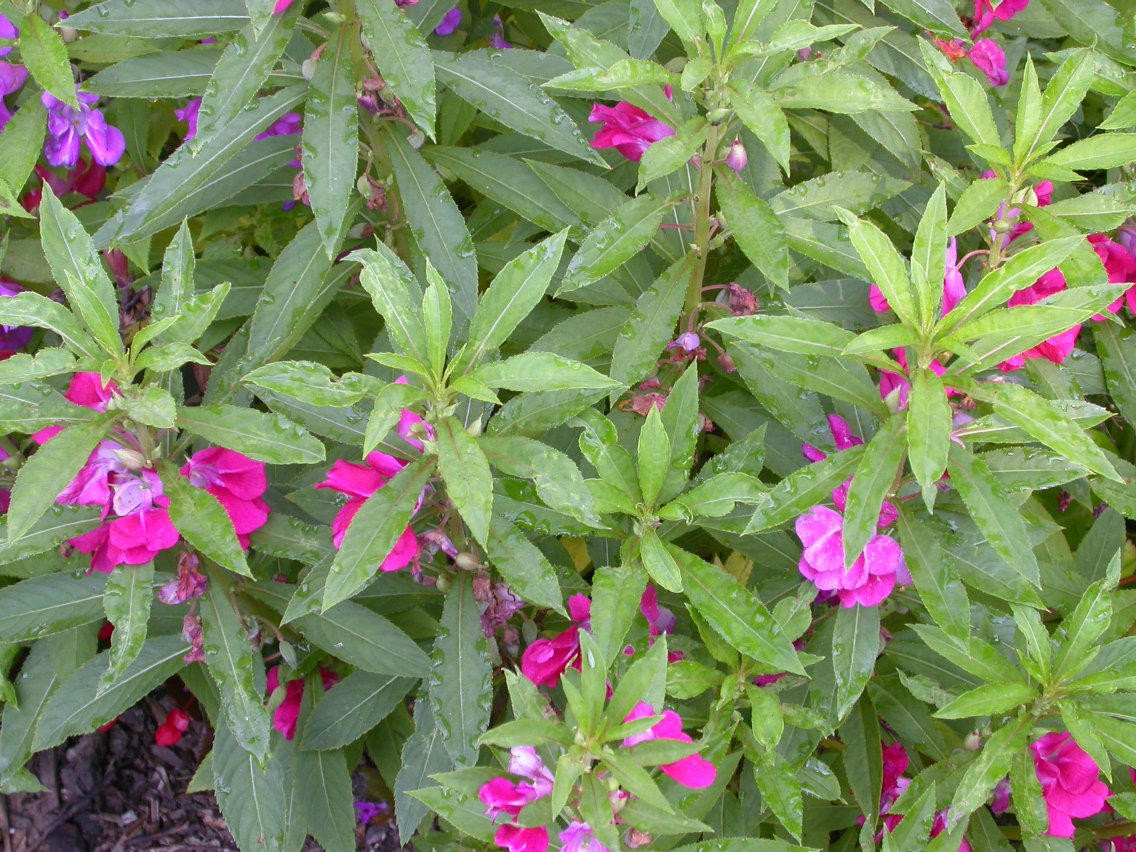
  • Plant Variety: Chinese Balsam, also known as Garden Balsam or Touch-Me-Not.

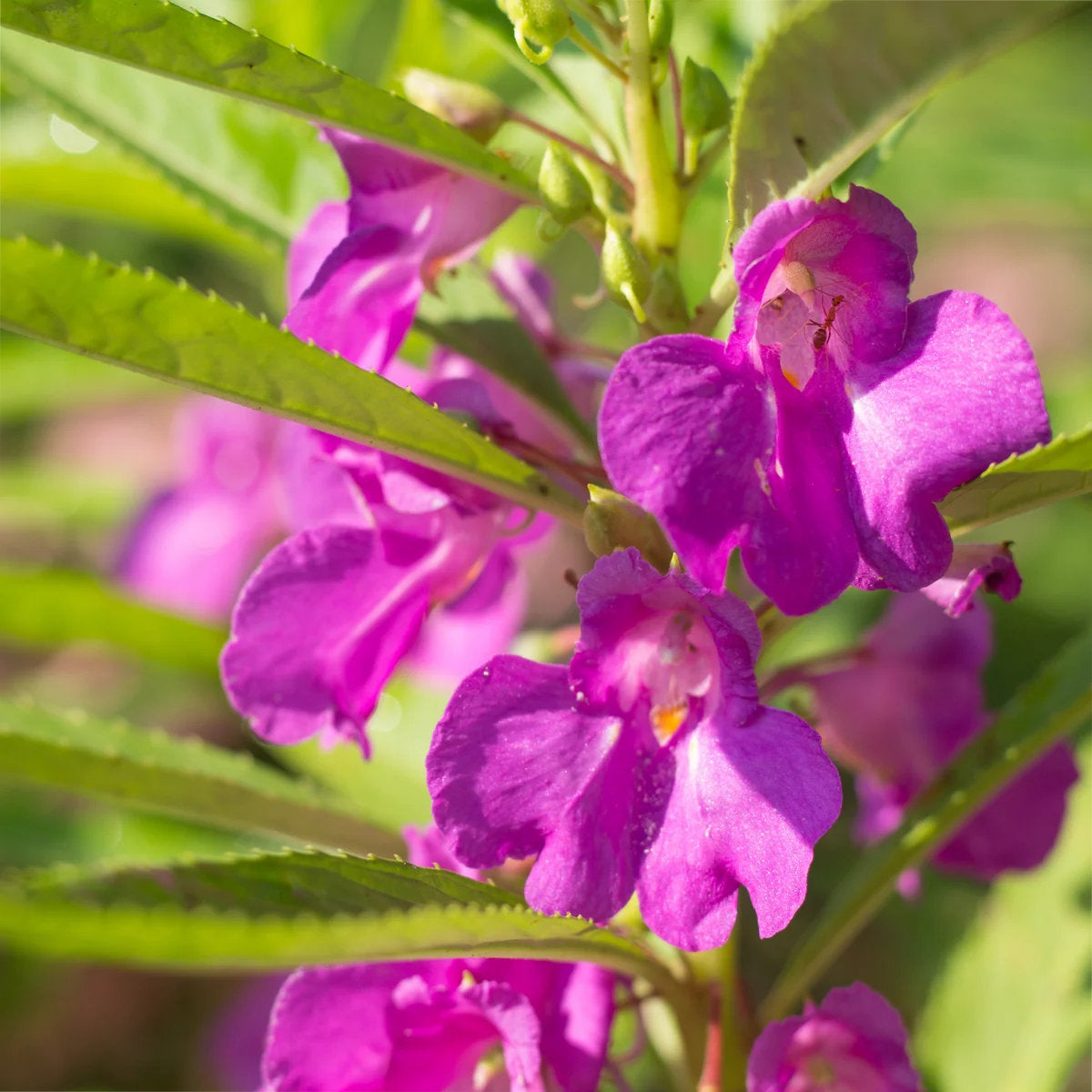
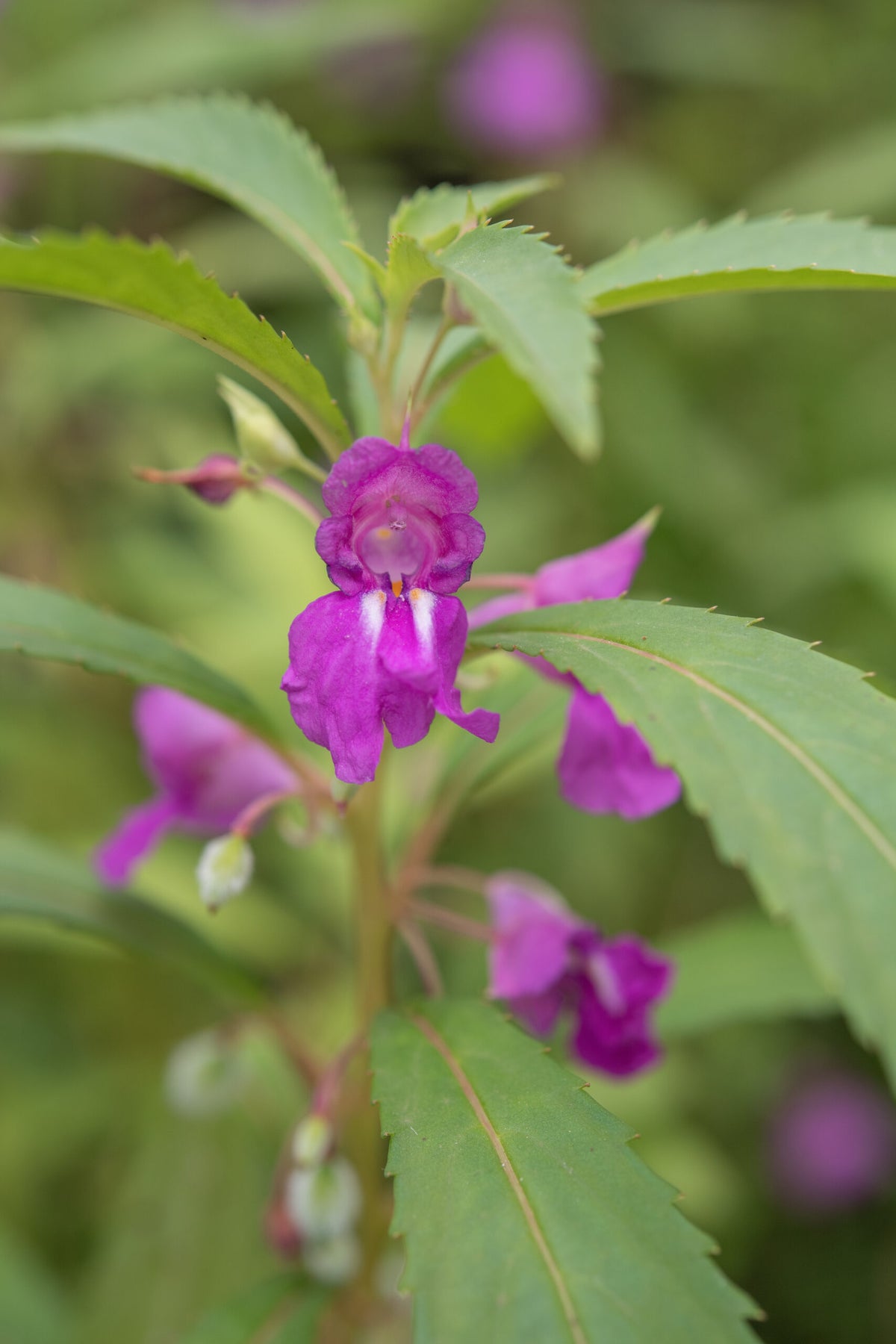
  • Flower Colors: Produces attractive flowers in shades of pink, red, purple, white, and mixed colors.

  • Plant Characteristics: An upright annual flowering herb with fleshy stems and lance-shaped green leaves.

  • Garden Uses: Suitable for flower beds, cottage gardens, borders, and ornamental planting.

  • Unique Features: Develops distinctive seed capsules that burst open when touched, scattering their seeds naturally.

Growing Benefits

  • Colorful Gardens: Adds cheerful flowers and vibrant colors to outdoor spaces.

  • Easy Gardening: A rewarding annual flower for beginner gardeners.

  • Pollinator Interest: Flowers can provide nectar for visiting pollinating insects.

  • Decorative Appeal: Attractive blooms brighten garden borders and flower beds.

  • Traditional Interest: A plant with a long history of traditional uses in different cultures.

Seed Specifications

  • Common Name: Chinese Balsam, Garden Balsam, Touch-Me-Not

  • Botanical Name: Impatiens balsamina

  • Plant Type: Annual flowering herb

  • Colors: Pink, red, purple, white, and mixed flower shades

  • Height: Approximately twelve to thirty inches, depending on growing conditions

  • Sunlight: Full sun to partial shade.

  • Soil: Moist, fertile, organically rich, well-drained soil.

  • Water: Regular watering to maintain consistent soil moisture.

  • Germination Time: Approximately eight to fourteen days under favorable warm conditions.

  • Sowing Depth: Sow shallowly and cover with a light layer of soil.

  • Spacing: Approximately twelve to fourteen inches between established plants.

  • Growing Zones: Grows across a wide range of USDA hardiness zones as a warm-season annual.

  • Flowering/Maturity: Generally begins flowering around two to two and a half months after sowing.

  • Uses: Ornamental gardens, flower beds, traditional herbal interest, and natural plant dye.

Growing Tips

  • Choose a sunny or partially shaded location with fertile soil.

  • Keep the soil consistently moist, especially during seed germination.

  • Pinch the growing tips to encourage bushier plant development.

  • Remove weeds regularly and provide enough space for healthy growth.

Seed Storage

  • Store seeds in a cool, dry, and dark location.

  • Keep seeds in an airtight container to protect them from moisture.

  • Avoid direct sunlight and excessive heat.

  • Label the storage container with the plant variety for easy identification.

Unique Facts About Chinese Balsam Seeds

  • Explosive Seed Capsules: Mature seed pods burst open when touched, scattering seeds around the plant.

  • Traditional Herbal History: Chinese Balsam has been used in traditional Asian herbal practices, although traditional uses do not establish medical effectiveness.

  • Natural Nail Dye: Flowers and leaves have traditionally been used to produce reddish coloring for fingernails.

  • Interesting Seed Characteristics: The plant produces numerous small, dark seeds inside its distinctive seed capsules.

Growing Instructions

Planting Season

Spring and early summer are suitable planting periods when temperatures are warm. In tropical and subtropical climates, sowing can be adjusted according to local rainfall and temperature conditions.

Sowing Preparation

Prepare a seed tray, nursery bed, or garden location with loose, fertile, well-drained soil. Remove weeds and mix in mature compost to improve soil quality.

Sowing Depth

Scatter seeds over the prepared growing medium and cover them lightly with a thin layer of soil. Avoid burying seeds too deeply.

Spacing

Allow approximately twelve to fourteen inches between established plants. Proper spacing encourages healthy foliage, better air circulation, and abundant flowering.

Sunlight Requirements

Chinese Balsam grows well in full sun to partial shade. In particularly hot climates, partial afternoon shade helps protect plants from excessive heat.

Soil Requirements

Choose organically rich, moist, well-drained soil. A fertile garden soil containing compost supports healthy foliage and continuous flowering.

Watering

Water gently after sowing and maintain consistent soil moisture during germination. Established plants need regular watering, particularly during hot and dry weather. Avoid waterlogged conditions.

Germination

Seeds generally germinate within eight to fourteen days under favorable conditions. Maintain warm temperatures and evenly moist soil. Protect newly emerging seedlings from heavy rain and strong direct sunlight.

Transplanting

When seedlings develop healthy true leaves and become strong enough to handle, transplant them carefully into prepared garden beds. Water immediately after transplanting to help roots establish.

Fertilizing

Incorporate mature compost into the soil before planting. Apply a light balanced fertilizer during active growth when necessary. Avoid excessive nitrogen, which may encourage foliage at the expense of flowers.

Plant Care

Remove weeds and damaged leaves regularly. Pinch young growing tips to encourage branching and a bushier appearance. Maintain good air circulation and monitor plants for common garden pests.

Flowering and Maturity

Chinese Balsam produces attractive flowers in various colors during warm growing conditions. Flowering generally begins around two to two and a half months after sowing. After flowering, seed capsules develop and eventually release mature seeds.

Traditional Medicinal Information

Chinese Balsam has a documented history of traditional medicinal use in Asian cultures. Different plant parts have been investigated for their chemical compounds and biological activities. However, traditional applications should not be considered proven treatments. Do not consume or use the plant medicinally without advice from a qualified healthcare professional.