


Key Features
-
Mediterranean Tree: Carob is an evergreen tree traditionally grown in Mediterranean regions.
-
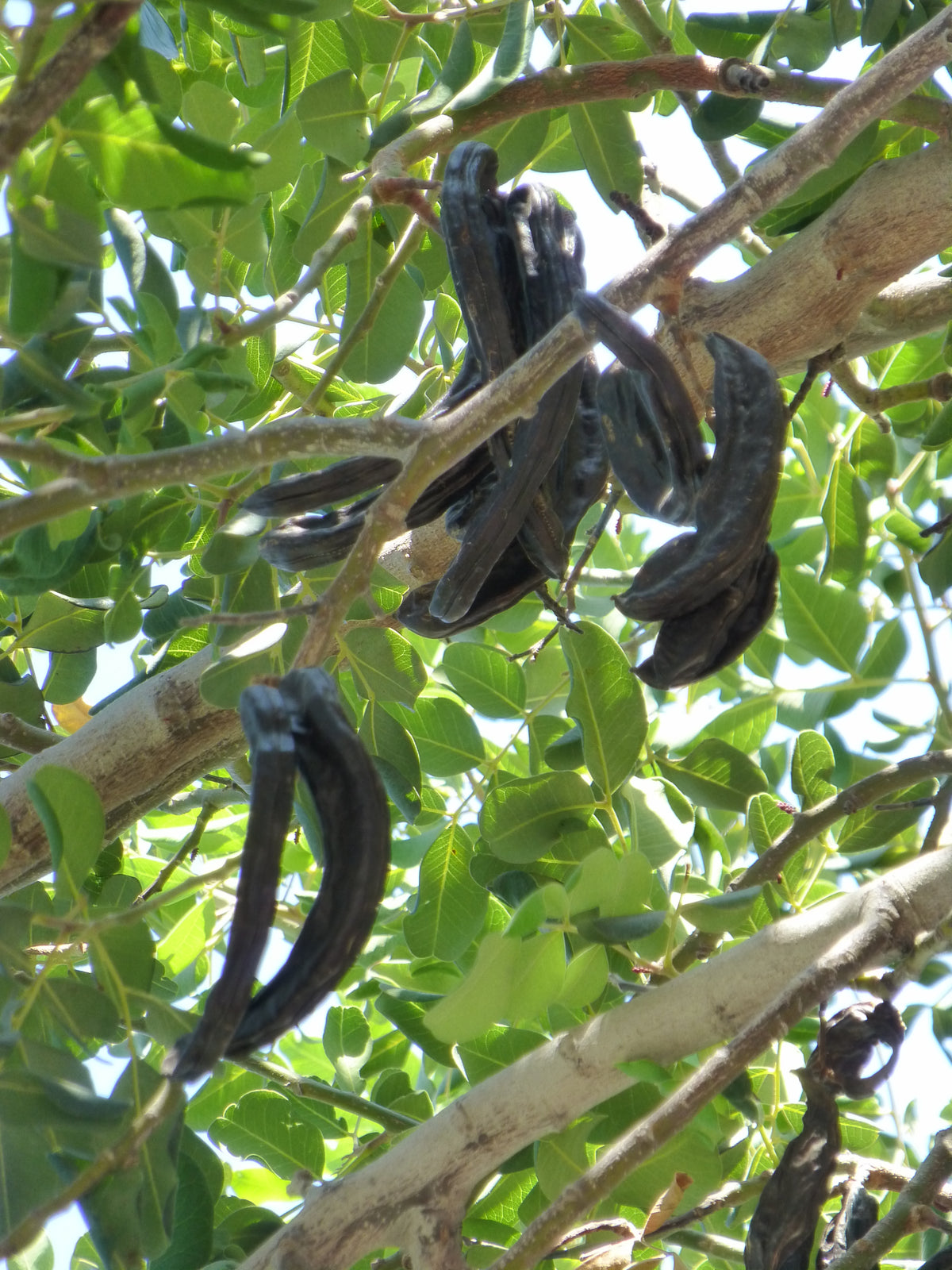
Distinctive Foliage: Features glossy, dark green compound leaves with a leathery texture.
-
Decorative Flowers: Produces small, inconspicuous flowers on mature trees.
-
Unique Seed Pods: Develops long, thick pods that turn brown when mature.
-
Garden and Landscape Use: Suitable for warm-climate gardens, orchards, and ornamental landscapes.
Growing Benefits
-
Adds attractive evergreen foliage to gardens throughout the year.
-
Provides a distinctive Mediterranean character to warm-climate landscapes.
-
Produces interesting pods that can be harvested when mature.
-
Offers an opportunity to grow a traditional Mediterranean fruit tree.
-
Develops a strong root system when established in suitable soil.
Seed Specifications
-
Common Name: Carob, Carob Tree, Locust Bean, St. John's Bread
-
Botanical Name: Ceratonia siliqua
-
Plant Type: Evergreen perennial tree
-
Colors: Dark green foliage, reddish-green flowers, brown mature pods, shiny brown seeds
-
Height: Generally grows around eight to fifteen metres, depending on growing conditions
-
Sunlight: Full sun
-
Soil: Well-drained sandy, loamy, or calcareous soil
-
Water: Moderate watering during establishment; drought-tolerant once established
-
Germination Time: Approximately two to five weeks under suitable conditions; hard-coated seeds may take longer
-
Sowing Depth: Around one to one-and-a-half centimetres
-
Spacing: Allow approximately seven to ten metres between mature trees
-
Growing Zones: Best suited to warm, Mediterranean-type climates; approximately USDA zones nine to eleven
-
Flowering/Maturity: Flowers develop on mature trees; pods generally take about a year to develop and ripen
-
Uses: Ornamental landscaping, shade, edible pods, livestock fodder, and traditional food applications
Growing Tips
-
Prepare Seeds Before Planting: Gently scarify the hard seed coat and soak seeds in warm water to encourage water absorption.
-
Choose a Sunny Location: Select a bright, open location with plenty of direct sunlight.
-
Avoid Waterlogged Soil: Use well-draining soil to protect developing roots from excessive moisture.
-
Handle Seedlings Carefully: Transplant young plants with their root ball intact to avoid damaging the developing taproot.
Seed Storage
-
Store carob seeds in a cool, dry location.
-
Keep seeds inside an airtight container to protect them from moisture.
-
Avoid direct sunlight and excessive heat during storage.
-
Label the container with the seed name and storage date.
-
Keep stored seeds away from humidity and insects.
Unique Facts About Carob Seeds
-
Mediterranean Heritage: Carob trees are native to the Mediterranean region and have been cultivated for centuries.
-
Chocolate Alternative: The sweet pulp inside mature carob pods is dried and ground into carob powder, commonly used as a cocoa alternative.
-
Distinctive Seeds: Carob seeds have hard, shiny brown seed coats and are naturally resistant to water absorption.
-
Historic Carat Connection: Carob seeds were historically associated with the carat weight system because of their relatively uniform size and weight.