


Key Features
-
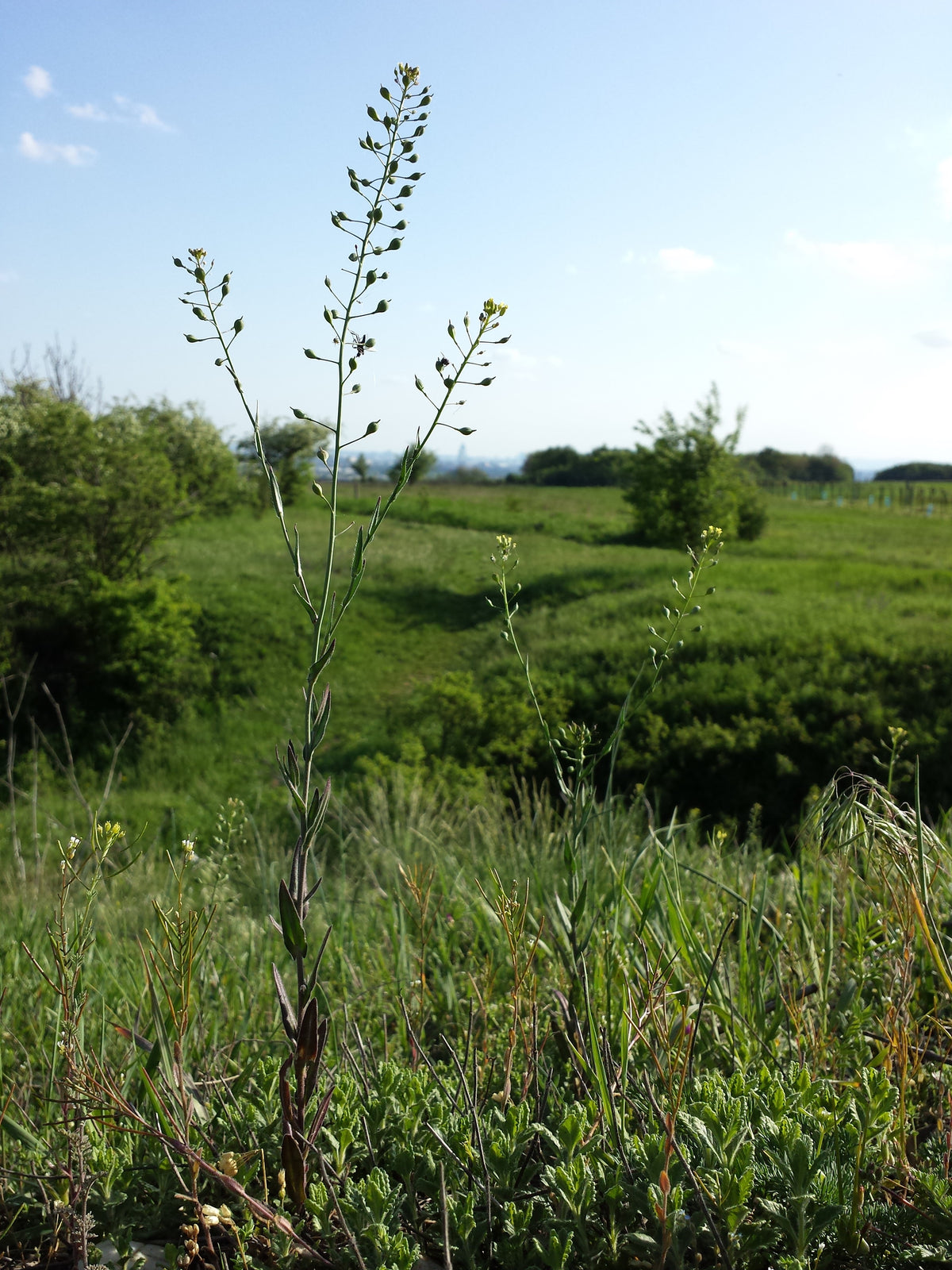
Botanical variety: Camelina sativa, also known as false flax or gold-of-pleasure.
-
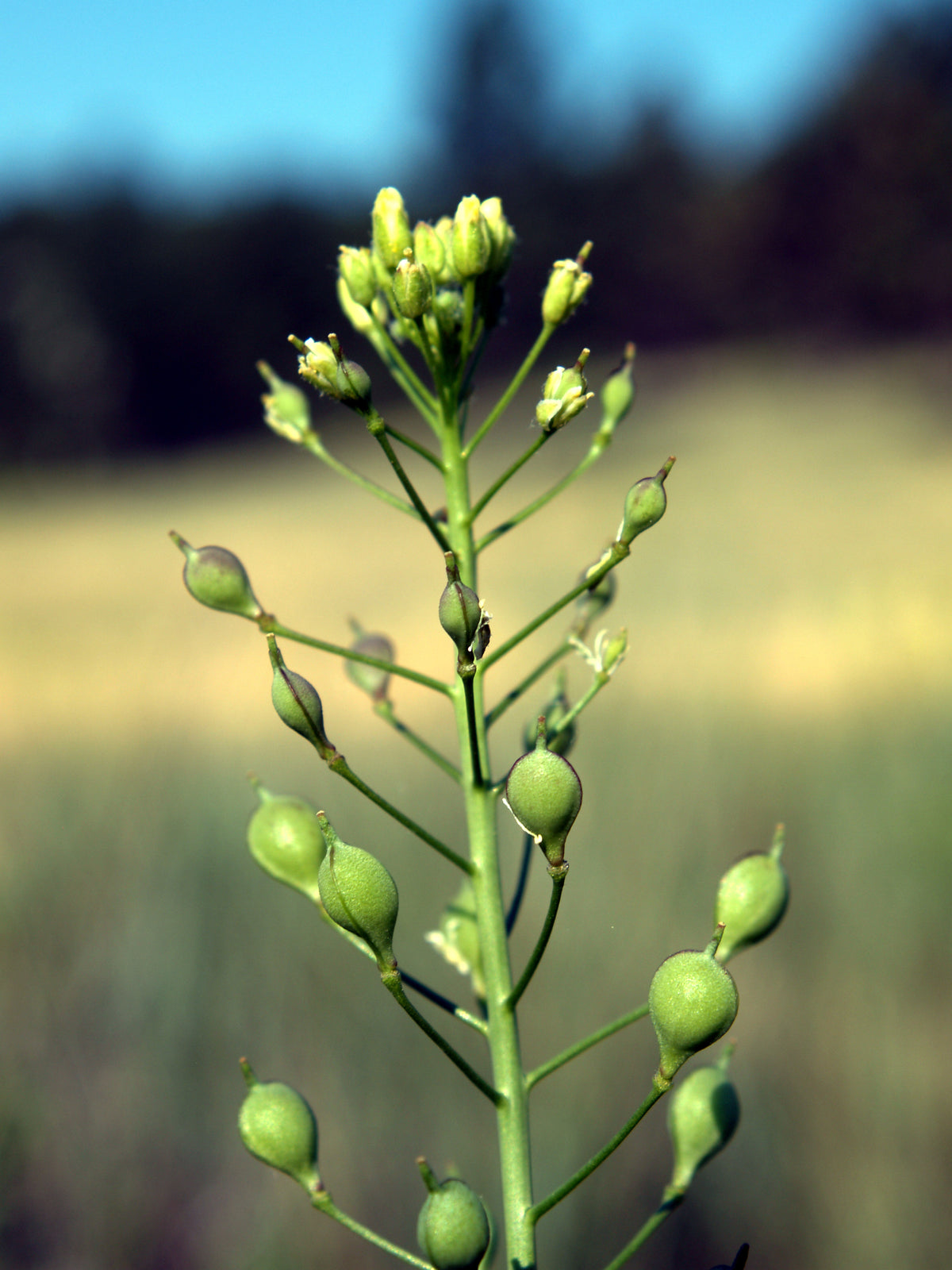
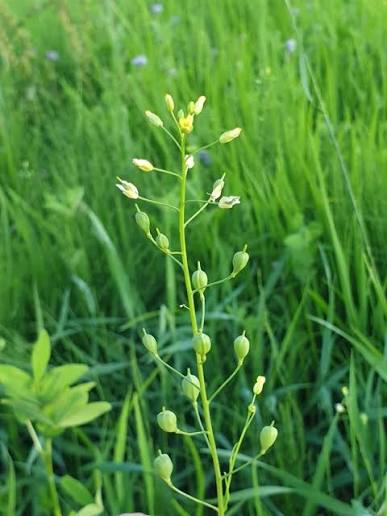
Delicate yellow flowers and slender green leaves create a natural garden appearance.
-
An annual flowering plant with an upright growth habit.
-
Suitable for herb gardens, pollinator-friendly spaces, and ornamental planting.
-
Produces small, golden-brown seeds in distinctive pear-shaped seed pods.
Growing Benefits
-
Adds a delicate flowering herb to cottage-style and natural gardens.
-
Offers an interesting annual plant for beginner gardeners to grow.
-
Provides an opportunity to observe flowering, seed formation, and plant development.
-
Supports garden biodiversity when grown alongside other flowering plants.
-
Produces seeds that can be collected for future planting.
Seed Specifications
Key botanical and growing details
-
Common Name: Camelina, false flax, gold-of-pleasure
-
Botanical Name: Camelina sativa
-
Plant Type: Annual flowering herb in the mustard family
-
Colors: Yellow flowers, green foliage, golden-brown mature seeds
-
Height: Typically around one to three feet
-
Sunlight: Full sun
-
Soil: Well-drained loam or sandy loam
-
Water: Moderate; avoid waterlogged soil
-
Germination Time: Usually within one to two weeks under favorable conditions
-
Sowing Depth: About one-quarter inch
-
Spacing: Thin seedlings to around four to six inches apart
-
Growing Zones: Commonly grown in temperate climates; local growing conditions affect success
-
Flowering/Maturity: Flowers in late spring or summer; seeds mature later in the growing season
-
Uses: Ornamental planting, seed production, and traditional agricultural uses
Growing Tips
-
Choose a sunny location with well-drained soil for healthy growth.
-
Sow seeds directly outdoors when the soil is workable and temperatures are mild.
-
Keep the soil lightly moist during germination, avoiding excessive watering.
-
Thin crowded seedlings to improve airflow and allow plants to develop properly.
Seed Storage
Store camelina seeds in a cool, dry, dark place in an airtight container. Keep them away from moisture, direct sunlight, and heat. Label the container with the seed variety and storage date.
Unique Facts About Camelina Seeds
-
Camelina belongs to the Brassicaceae family, which also includes mustard, cabbage, and radish.
-
Its common name, false flax, reflects its historical use as an oilseed crop.
-
The plant produces small, yellow, cross-shaped flowers typical of the mustard family.
-
Camelina has been cultivated for centuries as a source of oil and animal feed.