



Key Features
-
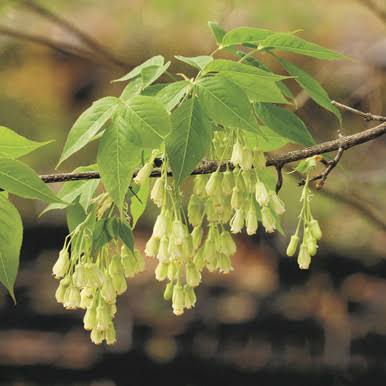
Rare African Evergreen: Bladdernut (Diospyros whyteana) is an ornamental shrub or small tree native to parts of Africa, valued for its attractive foliage and distinctive fruits.
-
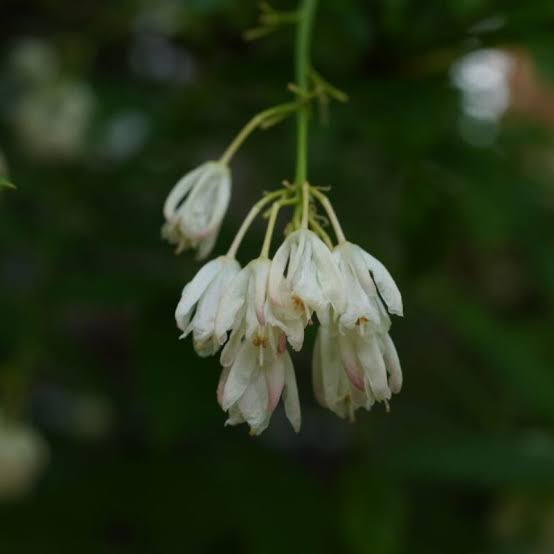
Beautiful Flowers: Produces small, creamy-white to pale yellow, fragrant flowers that add delicate beauty to garden landscapes.
-
Unique Fruit Display: Develops rounded fruits enclosed within an inflated, papery calyx resembling a small lantern or bladder.
-
Plant Characteristics: Features glossy, dark green leaves, dense branching, and an evergreen growth habit in suitable climates.
-
Garden Uses: Suitable for ornamental gardens, botanical collections, woodland gardens, and natural screening hedges.
Growing Benefits
-
Evergreen Garden Beauty: Enjoy glossy green foliage throughout the year in suitable growing conditions.
-
Ornamental Flowering: Small, fragrant flowers add seasonal interest to the garden.
-
Distinctive Decorative Fruits: Inflated, papery fruit coverings create unusual ornamental displays.
-
Natural Garden Screening: Dense foliage makes established plants suitable for informal hedges and privacy screens.
-
Wildlife Garden Interest: Flowers may attract insects, while fruits can provide food for local wildlife.
Seed Specifications
-
Common Name: Bladdernut, African Bladdernut
-
Botanical Name: Diospyros whyteana
-
Plant Family: Ebenaceae
-
Plant Type: Evergreen perennial shrub or small tree
-
Colors: Dark green foliage, creamy-white to pale yellow flowers, reddish-brown papery fruit coverings
-
Height: Approximately six to twenty feet, depending on growing conditions
-
Sunlight: Full sun to partial shade
-
Soil: Fertile, well-drained sandy, loamy, or compost-enriched soil
-
Water: Moderate watering during establishment; regular moisture in dry periods
-
Germination Time: Approximately four to eight weeks under favorable conditions, although timing may vary
-
Sowing Depth: Approximately one-quarter to one-half inch
-
Spacing: Approximately six to ten feet between plants, depending on intended use
-
Growing Zones: Best suited to mild, frost-free or lightly frost-prone climates; exact USDA hardiness limits vary
-
Flowering/Maturity: Flowering generally occurs during spring and summer, followed by ornamental fruit development
-
Uses: Ornamental landscaping, evergreen hedges, botanical gardens, woodland gardens, and wildlife-friendly planting
Growing Tips
-
Use Fresh Seeds: Sow freshly cleaned seeds whenever possible for better germination potential.
-
Maintain Warm Conditions: Keep the growing medium consistently warm and evenly moist during germination.
-
Provide Filtered Sunlight: Grow young seedlings in bright, sheltered conditions before gradually exposing them to stronger sunlight.
-
Allow Growing Space: Provide enough room for the shrub's natural branching habit or prune selectively for hedge formation.
Seed Storage
Store Bladdernut seeds in a clean, labeled container in a cool, dry location away from direct sunlight, excessive heat, and moisture. Remove any remaining fruit pulp before storage. Because seed viability can vary with storage conditions, sowing fresh seeds is preferable whenever possible.
Unique Facts About Seeds
-
Lantern-Like Fruits: Diospyros whyteana produces distinctive inflated fruit coverings that resemble small paper lanterns.
-
Ebony Family Member: The species belongs to the Ebenaceae family, which also includes persimmons and ebony trees.
-
African Native Plant: Bladdernut naturally occurs in parts of eastern and southern Africa.
-
Ornamental Fruit Structure: The papery covering develops from the flower's calyx and remains around the fruit as it matures.