


Key Features
-
Tropical Fruit Tree: Bird Lime (Cordia dichotoma) is a fruit-bearing tree native to parts of tropical and subtropical Asia, valued for its distinctive fruits and ornamental foliage.
-
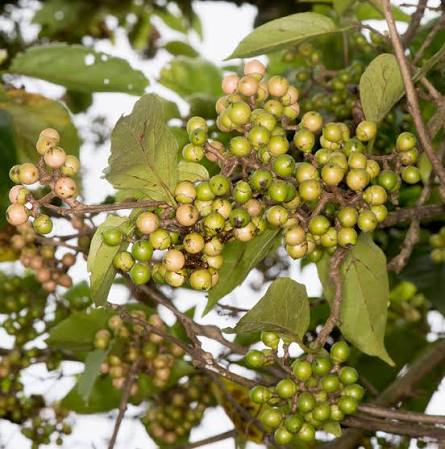
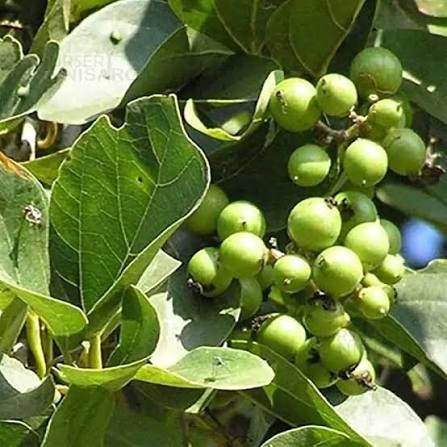
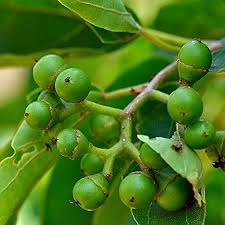
Fruit Characteristics: Produces small, rounded fruits that turn yellowish, pinkish, or pale brown as they mature, with sticky, mucilaginous pulp.
-
Plant Characteristics: Develops into a medium-sized deciduous tree with broad green leaves, spreading branches, and clusters of small flowers.
-
Garden Uses: Suitable for spacious tropical gardens, subtropical landscapes, home orchards, and botanical plant collections.
-
Special Feature: Also known as Indian Cherry, Lasora, or Gunda, this species is traditionally cultivated for its fruits in parts of South Asia.
Growing Benefits
-
Unusual Fruit Harvests: Grow distinctive fruits that are traditionally used in regional recipes and pickles.
-
Ornamental Landscape Appeal: Broad foliage and spreading branches provide attractive seasonal greenery.
-
Traditional Culinary Uses: Immature fruits are commonly prepared as pickles and cooked dishes in parts of India.
-
Wildlife Interest: Flowers may attract pollinating insects, while fruits can provide food for birds.
-
Long-Term Garden Value: Establish a perennial fruit tree that can provide seasonal harvests under suitable growing conditions.
Seed Specifications
-
Common Name: Bird Lime, Indian Cherry, Lasora, Gunda
-
Botanical Name: Cordia dichotoma
-
Plant Type: Tropical and subtropical deciduous fruit tree
-
Colors: Green foliage, small white to cream flowers, yellowish to pinkish-brown mature fruits
-
Height: Approximately twenty to forty feet, potentially taller under favorable conditions
-
Sunlight: Full sun, at least six to eight hours daily
-
Soil: Well-drained sandy, loamy, or moderately fertile soil
-
Water: Regular watering during establishment; established trees tolerate some seasonal dryness
-
Germination Time: Approximately two to six weeks under favorable conditions, although timing can vary
-
Sowing Depth: Approximately one-half inch
-
Spacing: Approximately twenty to thirty feet between mature trees
-
Growing Zones: Best suited to frost-free tropical and subtropical climates; exact USDA hardiness limits are not well established
-
Flowering/Maturity: Flowering generally occurs during warm seasons, with fruiting following successful pollination; seed-grown trees may take several years to bear fruit
-
Uses: Traditional pickles, cooked fruit preparations, ornamental landscaping, shade, home orchards, and botanical gardening
Growing Tips
-
Use Fresh Seeds: Sow freshly collected, cleaned seeds whenever possible to encourage successful establishment.
-
Maintain Warm Conditions: Keep the growing medium consistently warm during germination and protect seedlings from cold temperatures.
-
Provide Full Sun: Choose a sunny growing location with enough room for the tree's mature canopy.
-
Water During Establishment: Maintain regular moisture for young plants while avoiding poorly drained soil.
Seed Storage
Store Bird Lime Fruit Seeds in a clean, labeled container in a cool, dry location away from direct sunlight, excess humidity, and heat. Remove remaining fruit pulp before storage and allow the seed surface to dry. Because seed viability can vary with storage conditions, sowing fresh seeds is preferable whenever possible.
Unique Facts About Seeds
-
Traditional Indian Fruit: Cordia dichotoma is widely known as Lasora or Gunda and is used in traditional pickles and regional cooking.
-
Sticky Fruit Pulp: The fruits contain naturally mucilaginous pulp, giving them a distinctive sticky texture.
-
Multiple Common Names: The species is also called Indian Cherry, Glue Berry, and Bird Lime Tree in different regions.
-
Not a True Cherry: Despite the name Indian Cherry, this species belongs to the Boraginaceae family rather than the rose family that includes true cherries.