Passer aux informations produits
1 de 3

Eden Valley Seeds

Basil Kilimanjaro Seeds – Ocimum Kilimandscharicum Medicinal Herb

Basil Kilimanjaro Seeds – Ocimum Kilimandscharicum Medicinal Herb

Prix habituel €17,95 EUR
Prix habituel Prix promotionnel €17,95 EUR
Promotion Épuisé
Taxes incluses. Frais d'expédition calculés à l'étape de paiement.
size
Quantité

DELIVERY ESTIMATE

—

Estimated arrival

ORDER—Order placed
ORDER READY—Processing estimate
DELIVERED—Estimated delivery

♢

Secure checkout
Carefully packed seeds
Tracked delivery
Quality-focused selection
Afficher tous les détails

Key Features

  • Plant Variety: Kilimanjaro Basil, a distinctive aromatic basil species native to East Africa.

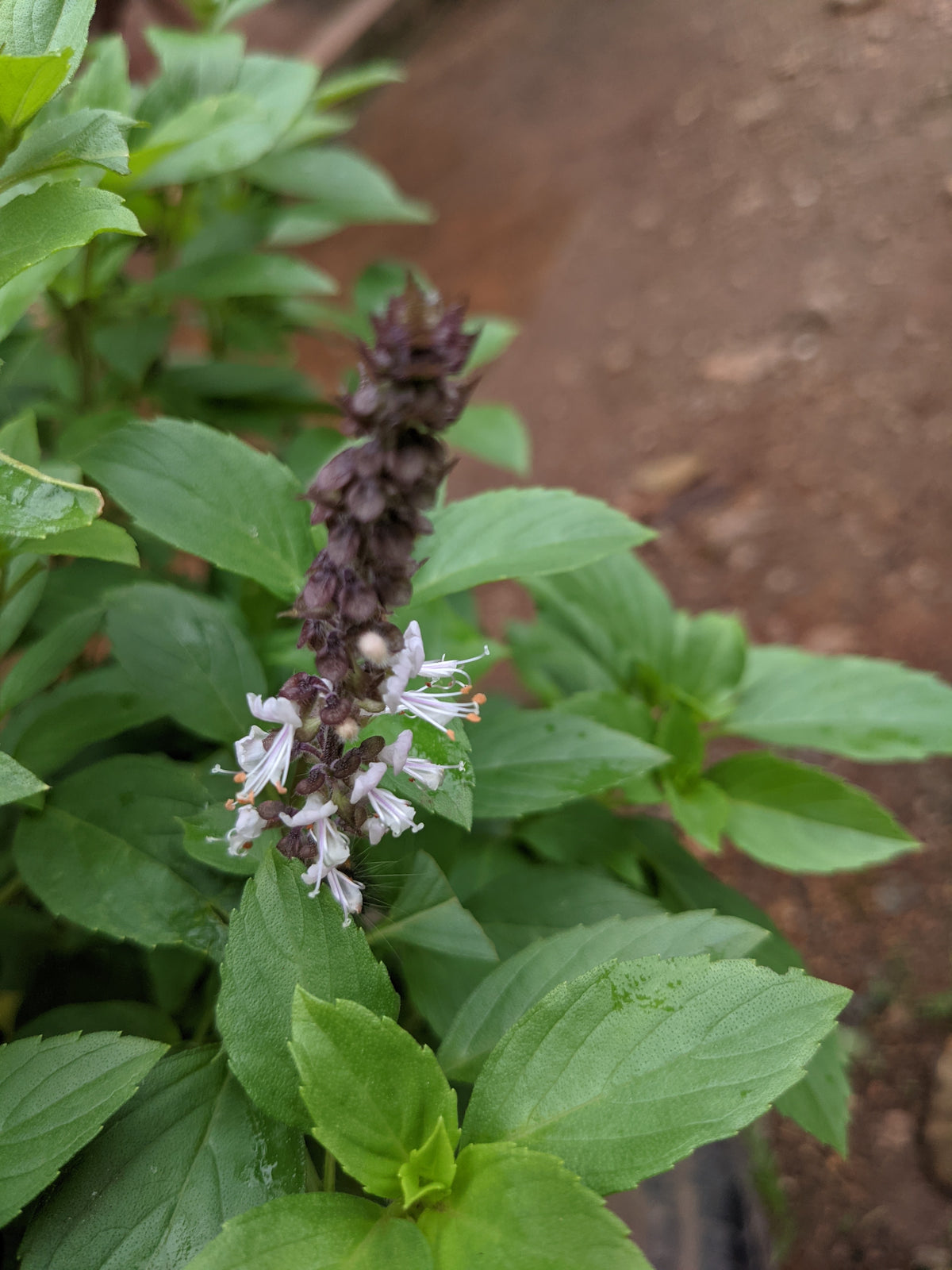
  • Flower Color: Produces attractive white to pale pinkish flowers with green foliage.

  • Plant Characteristics: An aromatic perennial shrub with branching stems and fragrant leaves.

  • Garden Uses: Suitable for herb gardens, ornamental borders, and warm-climate landscapes.

  • Unique Appeal: Known for its strong camphor-like fragrance and traditional herbal significance.

Growing Benefits

  • Herb Gardening: Adds an interesting aromatic herb to home gardens.

  • Fragrant Foliage: Enjoy distinctive scented leaves throughout the growing season.

  • Pollinator Interest: Flowering plants can attract bees and other beneficial insects.

  • Landscape Beauty: Provides attractive foliage and delicate flower displays.

  • Warm Climate Growth: Suitable for gardens in regions with mild, frost-free winters.

Seed Specifications

  • Common Name: Kilimanjaro Basil, Camphor Basil, African Camphor Basil

  • Botanical Name: Ocimum kilimandscharicum

  • Plant Type: Aromatic perennial herb or small shrub

  • Colors: Green foliage with white to pale pinkish flowers

  • Height: Can reach approximately three to six feet under favorable conditions.

  • Sunlight: Full sun to partial shade.

  • Soil: Well-drained, fertile loamy soil with organic matter.

  • Water: Moderate watering; maintain moisture during early growth.

  • Germination Time: Generally seven to twenty-one days under favorable conditions.

  • Sowing Depth: Surface sow or cover very lightly with fine soil.

  • Spacing: Approximately eighteen to twenty-four inches between established plants.

  • Growing Zones: Best suited to warm, frost-free climates; generally grown as a perennial in tropical and subtropical regions.

  • Flowering/Maturity: Produces small white, pinkish, or pale mauve flowers during the warm growing season.

  • Uses: Aromatic herb gardens, ornamental landscaping, essential-oil production, and traditional herbal applications.

Growing Tips

  • Sow seeds in a fine, well-draining seed-starting mix for easier establishment.

  • Keep the seedbed lightly moist and protect young seedlings from harsh sunlight.

  • Transplant seedlings after they develop strong roots and several true leaves.

  • Prune growing tips occasionally to encourage bushier growth and healthy branching.

Seed Storage

  • Store unused seeds in a cool, dry, and dark location.

  • Keep seeds in an airtight container to protect them from moisture.

  • Avoid direct sunlight and excessive heat.

  • Label the container with the botanical name and storage date.

Unique Facts About Kilimanjaro Basil Seeds

  • East African Origin: This aromatic basil species is native to East Africa and is also cultivated in India.

  • Camphor-Like Fragrance: Its leaves contain aromatic oils with a distinctive camphor-like scent.

  • Tiny Black Seeds: The mature seeds are very small, dark, and oval-shaped.

  • Perennial Growth: Unlike many commonly grown annual basils, Kilimanjaro Basil can develop into a woody perennial shrub in suitable climates.

Growing Instructions

Planting Season

Kilimanjaro Basil grows best in warm weather. Sow seeds during the warm growing season when temperatures are favorable. In tropical and subtropical climates, planting can be planned around suitable warm conditions.

Sowing Preparation

Prepare a nursery tray or raised seedbed using fine, fertile, well-draining soil. Mix in a little mature compost and moisten the growing medium before sowing.

Sowing Depth and Spacing

Scatter the tiny seeds over the soil surface and cover them very lightly with fine soil. Avoid burying them deeply. Once seedlings are ready for transplanting, provide approximately eighteen to twenty-four inches of growing space.

Sunlight Requirements

Choose a location receiving full sunlight or partial shade. Young seedlings benefit from protection against harsh afternoon sunlight, while established plants appreciate bright growing conditions.

Soil Requirements

Use fertile, well-drained loamy soil enriched with organic matter. Good drainage is important because prolonged waterlogging can damage the roots.

Watering

Water gently after sowing and maintain consistent moisture during germination. Once established, water moderately according to weather conditions and soil moisture. Avoid excessive watering.

Germination

Seeds generally germinate within seven to twenty-one days under favorable warm conditions. Keep the growing medium lightly moist and provide adequate warmth for successful seedling development.

Transplanting

When seedlings develop strong roots and several true leaves, carefully transplant them into individual pots or prepared garden beds. Transplant during cooler parts of the day to reduce stress.

Fertilizing

Incorporate mature compost into the soil before planting. Apply a light organic fertilizer during active growth when necessary. Avoid excessive fertilization, which can encourage excessive leafy growth.

Plant Care

Remove weeds regularly and prune growing tips to encourage branching. Maintain good air circulation and remove damaged leaves when necessary. Protect plants from cold temperatures and prolonged waterlogging.

Flowering and Maturity

Kilimanjaro Basil develops small, delicate flowers on its mature stems. Flower color can range from white to pale pink or mauve. Under favorable conditions, the plant develops into an attractive aromatic shrub that can continue growing for several years.