Passer aux informations produits
1 de 3

Eden Valley Seeds

Ashwagandha African Ecotype Seeds – Withania somnifera Medicinal Herb

Ashwagandha African Ecotype Seeds – Withania somnifera Medicinal Herb

Prix habituel €15,95 EUR
Prix habituel Prix promotionnel €15,95 EUR
Promotion Épuisé
Taxes incluses. Frais d'expédition calculés à l'étape de paiement.
size
Quantité

DELIVERY ESTIMATE

—

Estimated arrival

ORDER—Order placed
ORDER READY—Processing estimate
DELIVERED—Estimated delivery

♢

Secure checkout
Carefully packed seeds
Tracked delivery
Quality-focused selection
Afficher tous les détails

Key Features

  • Variety: African Ecotype of Ashwagandha, a traditional medicinal herb.

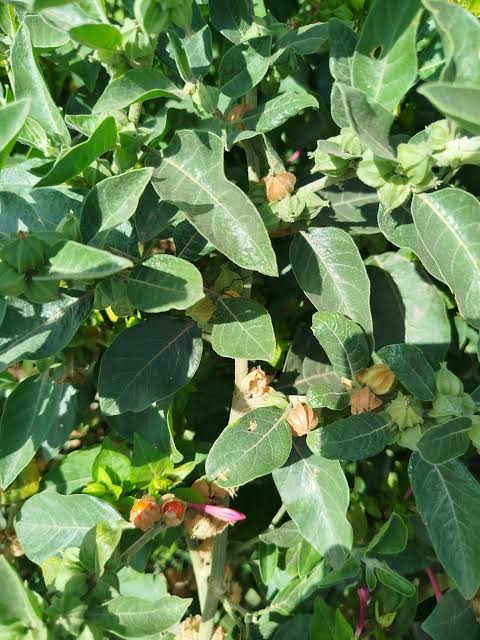
  • Plant Characteristics: A branching, drought-tolerant shrub with oval green leaves and a sturdy growth habit.

  • Flower and Fruit Colors: Small greenish-yellow flowers followed by orange-red berries enclosed in papery calyxes.

  • Garden Uses: Suitable for herb gardens, medicinal plant collections, and warm-climate gardens.

  • Distinctive Roots: Develops a prominent root system, traditionally valued in herbal practices.

Growing Benefits

  • Adds a traditional medicinal herb to your home garden.

  • Offers an opportunity to explore the growth cycle of a useful botanical plant.

  • Suits warm, sunny gardens with well-drained soil.

  • Provides attractive foliage and colorful berries for ornamental interest.

  • Can be grown in garden beds or suitably sized containers with proper drainage.

Seed Specifications

  • Common Name: Ashwagandha, Indian Ginseng, Winter Cherry

  • Botanical Name: Withania somnifera; African Ecotype designation should be verified with the seed supplier.

  • Plant Type: Perennial herb or small shrub, commonly grown as an annual in cooler climates.

  • Colors: Green foliage, greenish-yellow flowers, and orange-red mature berries.

  • Height: Commonly around two to five feet, depending on climate and growing conditions.

  • Sunlight: Full sun; tolerates some light shade.

  • Soil: Well-drained sandy or loamy soil.

  • Water: Moderate during establishment; reduce watering once established if conditions permit.

  • Germination Time: Often around one to three weeks under suitable warm, moist conditions.

  • Sowing Depth: Approximately one-quarter inch deep.

  • Spacing: Allow around eighteen to twenty-four inches between plants.

  • Growing Zones: Best suited to warm climates; perennial survival depends on local winter temperatures.

  • Flowering/Maturity: Flowers and berries develop during the growing season; root maturity varies with climate and cultivation.

  • Uses: Ornamental herb gardening, botanical collections, and traditional herbal cultivation.

Growing Tips

  • Start seeds in warm conditions to encourage steady germination.

  • Use loose, well-draining soil to help prevent root problems.

  • Give plants plenty of sunlight for sturdy growth.

  • Avoid overwatering, especially when plants are established.

Seed Storage

Store seeds in a cool, dry, dark place in a sealed, labeled container. Protect them from moisture, excessive heat, and direct sunlight. For best results, follow any storage instructions supplied with the seed packet.

Unique Facts About Ashwagandha Seeds

  • Traditional herb: Ashwagandha has a long history of use in traditional Ayurvedic herbal practices.

  • Distinctive botanical family: It belongs to the nightshade family, Solanaceae, which also includes tomatoes and eggplants.

  • Recognizable fruits: Its small orange-red berries are surrounded by inflated, papery coverings.

  • Root-focused cultivation: The roots are the plant part most commonly discussed in traditional herbal preparations, although leaves and berries also contain biologically active compounds.

Growing Instructions

Planting Season

Sow seeds during warm weather, ideally after the risk of cold conditions has passed. In tropical and subtropical regions, planting is often most successful when temperatures are warm and the soil is not waterlogged.

Sowing and Seed Depth

Prepare a seed tray or garden bed with a fine, well-drained growing medium. Sow seeds approximately one-quarter inch deep and cover lightly with soil. Keep the medium evenly moist without saturating it.

Spacing

When sowing directly outdoors, leave approximately eighteen to twenty-four inches between plants. If starting seeds in trays, transplant seedlings once they have developed several true leaves and are strong enough to handle.

Sunlight and Soil

Choose a location with full sun for most of the day. Ashwagandha grows well in sandy or loamy soil with good drainage. Avoid heavy, persistently wet soil, which can contribute to root damage.

Watering and Germination

Water gently after sowing and maintain consistent moisture while seeds germinate. Germination commonly takes one to three weeks under favorable conditions, though temperatures and seed viability can affect timing. After establishment, water when the soil begins to dry rather than keeping it constantly wet.

Transplanting

Move seedlings carefully into their final growing location once they are established and outdoor conditions are suitable. Minimize root disturbance and water them after transplanting to help settle the soil.

Fertilizing

Use compost or a balanced fertilizer sparingly if the soil needs additional nutrients. Excessive fertilizer, especially nitrogen, may encourage leafy growth at the expense of balanced plant development.

Ongoing Care

Remove weeds around young plants and maintain good drainage. Monitor for common garden pests and signs of excessive moisture. In warm climates, plants may persist for more than one season, while cooler conditions often encourage annual cultivation.

Flowering and Maturity

Small flowers typically appear as plants mature, followed by orange-red berries. The timing of flowering, fruit development, and root maturity varies with temperature, sunlight, and growing conditions. If growing for botanical or traditional herbal purposes, identify the plant correctly before harvesting.

Important note: Ashwagandha is traditionally used as an herb, but this listing does not imply that the seeds, roots, leaves, or berries are proven to treat any medical condition. Do not consume plant parts without reliable identification and appropriate safety guidance.