



Key Features
-
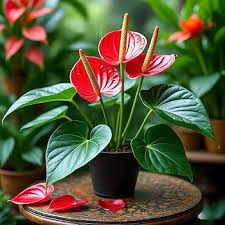
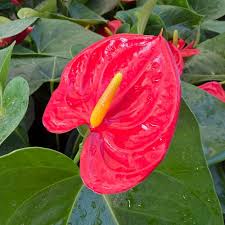
Distinctive Tropical Flowers: Produces ornamental spathes surrounding a central spadix, with appearance varying by species.
-
Glossy Green Foliage: Many varieties feature attractive, leathery leaves with a tropical appearance.
-
Decorative Container Appeal: Suitable for indoor pots, sheltered patios, and warm greenhouse collections.
-
Long-Lasting Floral Display: Mature plants of commonly cultivated flowering species can produce attractive spathes that remain decorative for extended periods.
-
Tropical Garden Character: Adds lush foliage and architectural interest to protected ornamental settings.
Growing Benefits
-
Elegant Ornamental Appearance: Creates a distinctive tropical display with decorative foliage and floral structures.
-
Container Gardening Versatility: Suitable for decorative pots and protected indoor growing spaces.
-
Warm-Climate Garden Interest: Complements sheltered tropical borders and greenhouse collections.
-
Attractive Foliage Texture: Glossy leaves provide year-round visual interest in favorable conditions.
-
Botanical Variety: Seed-grown plants may display natural differences in leaf shape, growth habit, and flower appearance.
Seed Specifications
-
Common Name: Anthurium, Flamingo Flower, Laceleaf
-
Botanical Name: Anthurium spp.
-
Plant Family: Araceae
-
Type: Tropical Ornamental Flowering Plant
-
Plant Type: Evergreen Herbaceous Perennial
-
Variety: Species or Hybrid Not Specified
-
Flower Color: Variable; May Include Red, Pink, White, Green, and Other Shades
-
Floral Structure: Colorful Spathe Surrounding a Spadix
-
Foliage Color: Green
-
Leaf Shape: Variable; Often Heart-Shaped or Elongated
-
Plant Height: Commonly 12–36 Inches for Many Cultivated Varieties
-
Plant Spread: Variable by Species
-
Growth Habit: Upright, Clumping, or Epiphytic Depending on Species
-
Sunlight: Bright, Indirect Light
-
Soil: Loose, Airy, Well-Draining Organic Potting Mix
-
Soil pH: Slightly Acidic
-
Water Requirements: Moderate; Consistent Moisture Without Waterlogging
-
Germination Time: Often Several Weeks Under Favorable Conditions
-
Germination Temperature: Approximately 75–85°F
-
Seed Preparation: Fresh Seeds Preferred; Remove Fruit Pulp Before Sowing
-
Sowing Depth: Surface Sow or Cover Very Lightly
-
Plant Spacing: Approximately 12–24 Inches, Depending on Variety
-
USDA Growing Zones: Generally 11–12 Outdoors for Common Tropical Varieties
-
Planting Season: Year-Round Indoors Under Suitable Warm Conditions
-
Flowering Season: Variable; Mature Plants May Flower Throughout the Year
-
Maturity: Flowering May Take Several Years From Seed
-
Native Region: Tropical Americas
-
Uses: Indoor Pots, Tropical Plant Collections, Greenhouses, and Sheltered Ornamental Borders
-
Seed Count Per Pack: Confirm Actual Quantity
-
Special Characteristics: Glossy Foliage, Decorative Spathes, and Tropical Growth Habit
-
Safety: Contains Calcium Oxalate Crystals; Keep Away From Children and Pets
Growing Tips
-
Use Fresh Seeds: Anthurium seeds generally lose viability quickly when allowed to dry out.
-
Provide Bright Indirect Light: Protect seedlings and established plants from intense direct sunlight.
-
Maintain Warm Temperatures: Tropical conditions support steady development.
-
Use an Airy Potting Mix: Combine moisture retention with good drainage and root aeration.
-
Maintain Humidity: Moderate to high humidity is beneficial for many cultivated Anthurium species.
-
Avoid Overwatering: Keep the growing medium lightly moist without allowing water to remain around the roots.
Seed Storage
-
Sow Promptly: Fresh Anthurium seeds are best planted soon after collection.
-
Avoid Drying: Seeds are generally sensitive to desiccation and should not be stored like typical dry garden seeds.
-
Short-Term Holding: If immediate sowing is impossible, keep cleaned seeds in a suitable moist, ventilated medium for the shortest practical period.
-
Proper Labeling: Record the species or parentage, collection date, and seed lot.
-
Secure Storage: Keep seeds away from children and pets.
Unique Facts About the Seeds
-
Unusual Floral Structure: The colorful part commonly called the flower is a modified leaf known as a spathe.
-
Tiny True Flowers: Numerous small flowers develop along the central spadix.
-
Tropical Plant Diversity: The genus Anthurium contains a large number of species with varied foliage and growth habits.
-
Fresh Seed Preference: Anthurium seeds generally germinate best when fresh.
-
Seedling Variation: Plants grown from hybrid seeds may differ noticeably from their parent plants.