


Key Features
-
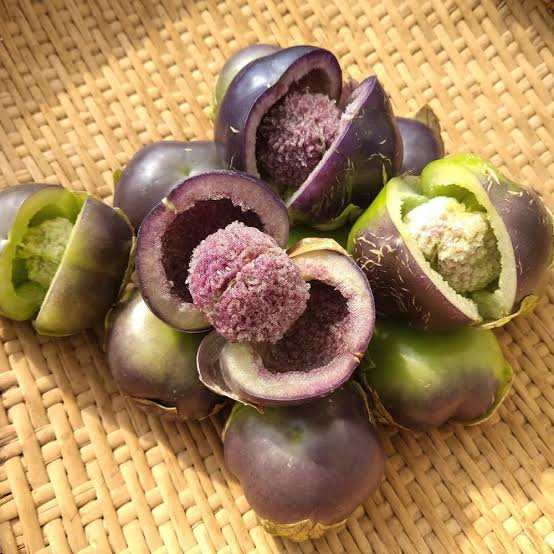
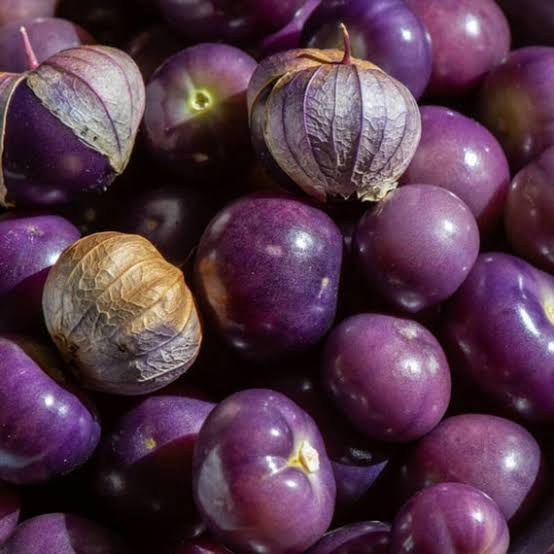
Distinctive Purple and Green Fruits: Amethyst & Emerald Geodes Tomatillo produces attractive, husk-covered fruits with purple and green coloring, adding an unusual appearance to vegetable gardens and specialty homegrown harvests.
-
Unique Specialty Tomatillo Selection: This distinctive tomatillo selection is valued for its colorful fruits and ornamental appeal, making it an interesting addition to gardens featuring unusual edible plants.
-
Traditional Papery Husks: Each developing tomatillo grows inside a delicate, lantern-shaped papery husk that gradually expands as the fruit matures, creating a recognizable feature of tomatillo plants.
-
Versatile Culinary Uses: Mature tomatillos offer the tangy flavor traditionally associated with this crop and can be used in homemade salsa verde, roasted sauces, relishes, and other Mexican-inspired recipes.
-
Warm-Season Garden Growth: Tomatillos develop branching plants with green foliage and small yellow flowers, thriving during warm growing seasons with adequate sunlight, fertile soil, and consistent moisture.
Growing Benefits
-
Colorful Vegetable Harvests: Introduce attractive purple and green tomatillos into your home garden, creating visually interesting harvest baskets and adding variety to traditional vegetable collections.
-
Fresh Homemade Salsa Ingredients: Grow tomatillos for homemade salsas, roasted sauces, and fresh culinary preparations, enjoying the distinctive tangy flavor of garden-harvested fruits.
-
Pollinator-Friendly Flowers: Tomatillo plants produce small yellow flowers that attract visiting insects, including bees, which play an important role in successful fruit pollination.
-
Raised Bed and Container Gardening: Cultivate tomatillos in spacious raised beds or large containers with suitable drainage, supporting their branching growth with stakes or cages when necessary.
-
Extended Seasonal Harvesting: Under favorable growing conditions, established tomatillo plants can continue producing flowers and fruits throughout much of the warm growing season until temperatures become unfavorable.
Seed Specifications
-
Common Name: Amethyst & Emerald Geodes Tomatillo, Purple and Green Tomatillo
-
Botanical Name: Physalis philadelphica (also known as Physalis ixocarpa)
-
Plant Family: Solanaceae
-
Type: Specialty Fruiting Vegetable
-
Plant Type: Warm-season herbaceous plant commonly cultivated as an annual
-
Variety: Amethyst & Emerald Geodes (cultivar identity and characteristics should be confirmed with the seed supplier)
-
Colors: Purple and green fruits, green foliage, yellow flowers, and green papery husks that dry as fruits mature
-
Fruit Shape: Generally rounded to slightly flattened, depending on cultivar and growing conditions
-
Height: Approximately 3–5 feet under favorable growing conditions
-
Spread: Approximately 3–4 feet, depending on plant development
-
Sunlight: Full sun, preferably 6–8 or more hours of direct sunlight daily
-
Soil: Fertile, well-drained loamy soil enriched with mature compost or organic matter
-
Soil pH: Approximately 6.0–7.0
-
Water: Consistent moderate watering, generally around 1–1.5 inches weekly, adjusted for rainfall and soil conditions
-
Germination Time: Approximately 7–14 days under favorable conditions
-
Germination Temperature: Approximately 70–85°F
-
Sowing Depth: Approximately ¼ inch
-
Spacing: Approximately 24–36 inches between plants
-
Growing Zones: Suitable as a warm-season annual across many USDA growing zones; perennial survival may occur in frost-free climates
-
Planting Season: Start indoors approximately 4–6 weeks before the last expected spring frost or direct sow after the soil warms
-
Flowering/Maturity: Approximately 70–100 days from transplanting for many tomatillo varieties; exact maturity for this selection is not confirmed
-
Growth Habit: Branching, spreading, herbaceous fruiting plant
-
Pollination: Grow at least two genetically distinct tomatillo plants nearby for reliable cross-pollination and fruit production
-
Uses: Fresh salsa, salsa verde, roasted sauces, relishes, specialty vegetable gardens, and ornamental edible landscapes
-
Seed Count Per Pack: 100 pcs
-
Organic Certification: Not verified; confirm certified organic seed status before advertising as organic
Growing Tips
-
Grow Multiple Plants Together: Plant at least two genetically distinct tomatillo plants near one another to encourage effective cross-pollination. A single isolated plant may produce flowers without developing a reliable fruit harvest.
-
Provide Strong Sunlight: Choose a sunny garden location receiving at least six to eight hours of direct sunlight daily. Adequate sunlight supports healthy plant development, flowering, and fruit production.
-
Support Branching Stems: Install tomato cages, sturdy stakes, or other garden supports while plants are young. This helps prevent spreading branches and developing fruits from resting directly on the soil.
-
Maintain Even Soil Moisture: Water consistently during flowering and fruit development. Avoid prolonged drought followed by excessive watering, as irregular moisture can stress plants and affect overall fruit quality.
-
Encourage Pollinator Activity: Allow bees and other beneficial insects access to tomatillo flowers. Avoid unnecessary insecticide applications during flowering, particularly when pollinators are actively visiting plants.
-
Harvest According to Fruit Development: Monitor the papery husks as fruits mature. Harvest when fruits have developed their expected mature color and filled their husks, recognizing that ripeness indicators may vary by variety.
Seed Storage
-
Cool Storage: Store Amethyst & Emerald Geodes Tomatillo seeds in a cool, stable environment, preferably around 40–50°F when suitable dry storage conditions are available.
-
Dry Conditions: Keep seeds thoroughly dry inside airtight containers or moisture-resistant seed packets to minimize humidity exposure and help preserve germination potential.
-
Moisture Protection: Protect stored seeds from condensation, excessive humidity, and water contact, which can encourage fungal growth and reduce seed viability.
-
Seed Freshness: Label containers with the variety name and storage date. Use older seed lots first and periodically test germination when storing seeds for several growing seasons.
-
Long-Term Preservation: Maintain properly dried seeds in sealed, moisture-resistant containers under consistently cool conditions. Allow refrigerated containers to reach room temperature before opening to prevent condensation on the seeds.
Unique Facts About the Seeds
-
Botanical Relationship to Tomatoes: Tomatillos belong to the Solanaceae family, which also includes tomatoes, peppers, eggplants, and potatoes, although tomatillos belong to the separate genus Physalis.
-
Naturally Protective Husks: Each tomatillo fruit develops within an enlarged floral calyx that forms a papery covering, giving the fruit its distinctive lantern-like appearance.
-
Traditional Mexican Culinary Heritage: Tomatillos have a long history of cultivation and culinary use in Mexico, where they remain an important ingredient in traditional sauces and regional dishes.
-
Cross-Pollination Requirements: Tomatillos commonly require pollen from another genetically distinct plant for reliable fruit development, making insect pollination especially important in home gardens.
-
Natural Fruit Color Diversity: Tomatillo varieties can produce green, yellowish, or purple-colored fruits, with pigmentation influenced by genetics, maturity, and environmental conditions.