


Key Features
-
Plant Variety: American Century Plant, also known as American Agave or Maguey.
-
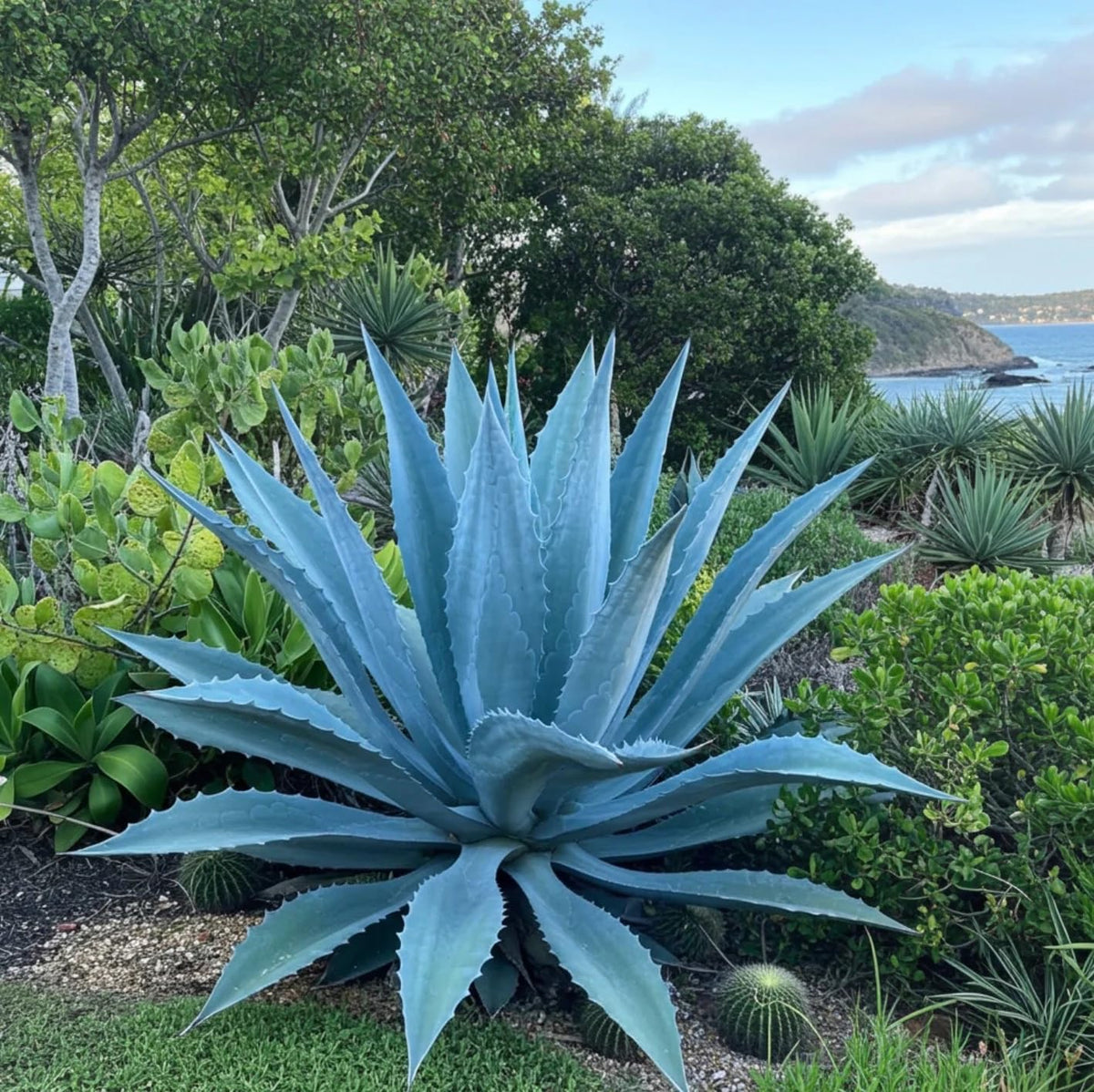
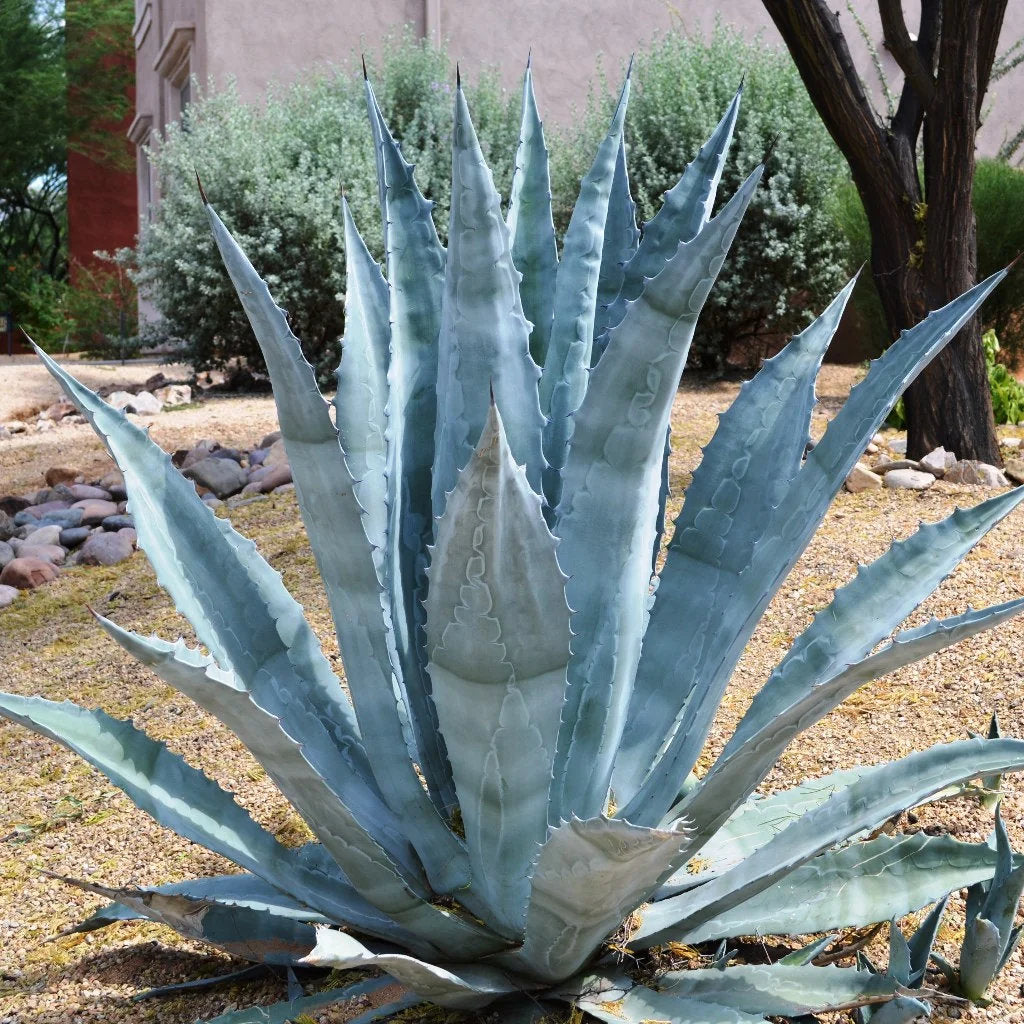
Foliage Color: Striking blue-green to gray-green leaves with a bold architectural form.
-
Plant Characteristics: Large, evergreen succulent forming a rosette of thick leaves with toothed edges and sharp terminal spines.
-
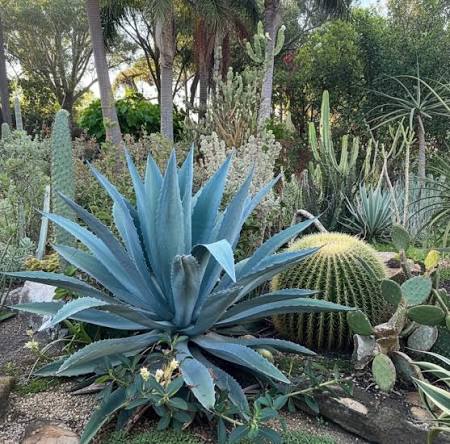
Garden Uses: Suitable for rock gardens, desert-inspired landscapes, sunny borders, and spacious containers.
-
Distinctive Feature: Mature plants produce a dramatic, tall flowering stalk with yellowish-green flowers.
Growing Benefits
-
Creates a dramatic focal point in sunny outdoor landscapes.
-
Adds bold texture and blue-green color to succulent gardens.
-
Tolerates dry conditions once established in well-drained soil.
-
Works well in rock gardens and desert-style planting designs.
-
Offers an engaging long-term growing project for succulent enthusiasts.
Seed Specifications
-
Common Name: American Century Plant, Century Plant, American Agave
-
Botanical Name: Agave americana
-
Plant Type: Evergreen perennial succulent
-
Colors: Blue-green to gray-green foliage; greenish-yellow to pale yellow flowers.
-
Height: Commonly around six feet tall in mature foliage, with larger plants possible; the flowering stalk can grow much taller.
-
Sunlight: Full sun; partial shade may be tolerated in hot climates.
-
Soil: Sandy or gritty, well-draining soil.
-
Water: Low water requirements once established; allow the soil to dry between waterings.
-
Germination Time: Often a few weeks under warm conditions, but germination may take longer.
-
Sowing Depth: Sow on the soil surface and cover lightly with fine sand or growing medium.
-
Spacing: Allow several feet of space for mature rosettes and spreading offsets.
-
Growing Zones: Generally suited to USDA zones nine through eleven, depending on local conditions.
-
Flowering/Maturity: May take many years to flower; the main rosette usually dies after flowering.
-
Uses: Ornamental landscaping, rock gardens, succulent collections, and spacious containers.
Growing Tips
-
Sow seeds in a warm, bright location using a well-draining growing medium.
-
Keep the medium lightly moist during germination without allowing standing water.
-
Gradually introduce seedlings to stronger sunlight as they become established.
-
Choose a permanent planting location away from walkways because the leaves have sharp spines.
Seed Storage
Store seeds in a cool, dry, dark place in a sealed, labeled packet. Protect them from humidity, excessive heat, and direct sunlight. Keep the seeds dry until planting and follow any storage instructions provided by the supplier.
Unique Facts About American Century Plant
-
The name is misleading: The plant does not need a century to flower; flowering often occurs after many years of growth.
-
Towering flower stalk: Mature plants can produce a spectacular flowering stalk reaching several metres in height.
-
A single flowering cycle: Each mature rosette generally flowers once and then dies, although offsets may continue growing.
-
Distinctive seeds: The plant produces dark, flat seeds inside mature fruit capsules after successful flowering and pollination