


Key Features
-
Plant Variety: American Black Elderberry, a deciduous fruit-bearing shrub native to eastern North America.
-
Flowers: Produces clusters of delicate, creamy-white flowers during the growing season.
-
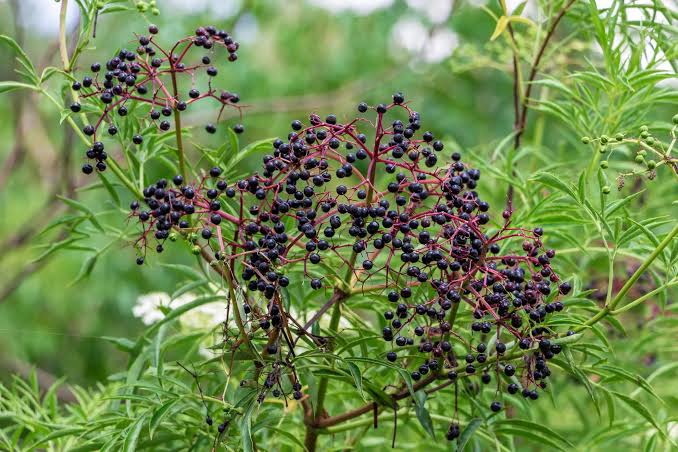
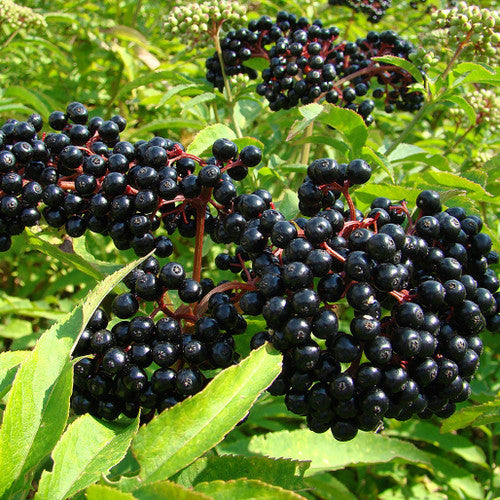
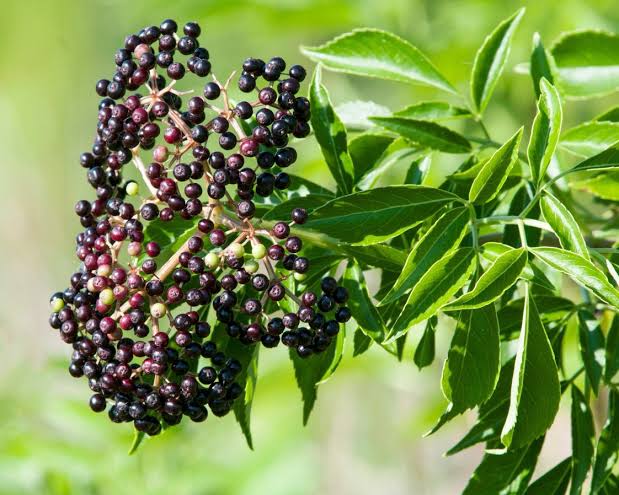
Fruits: Develops dark purple to nearly black berries when mature.
-
Plant Characteristics: Features spreading branches and attractive green foliage, making it suitable for natural garden landscapes.
-
Garden Uses: Ideal for wildlife gardens, edible landscapes, hedgerows, and home fruit gardens.
Growing Benefits
-
Adds beautiful white flower clusters and dark berries to home gardens.
-
Attracts pollinators and provides food for garden wildlife.
-
Creates natural privacy screens and attractive garden borders.
-
Supports biodiversity in wildlife-friendly and cottage-style landscapes.
-
Offers an opportunity to grow a traditional fruit-bearing native shrub.
Seed Specifications
-
Common Name: American Black Elderberry, American Elderberry
-
Botanical Name: Sambucus canadensis
-
Plant Type: Deciduous perennial fruit-bearing shrub
-
Colors: Green foliage, creamy-white flowers, dark purple to black berries
-
Height: Typically grows around five to twelve feet tall.
-
Sunlight: Full sun to partial shade.
-
Soil: Moist, fertile, organically rich, well-drained soil.
-
Water: Regular watering; prefers consistently moist soil.
-
Germination Time: Variable; may take several weeks to several months because of seed dormancy.
-
Sowing Depth: Lightly cover seeds with a thin layer of soil.
-
Spacing: Allow approximately six to ten feet between established shrubs.
-
Growing Zones: Generally suitable for USDA Zones three through nine.
-
Flowering/Maturity: Flowers in late spring to early summer; berries generally ripen in late summer.
-
Uses: Wildlife gardens, natural hedges, edible landscapes, ornamental planting, and fruit production.
Growing Tips
-
Choose a sunny location with sufficient space for mature shrub growth.
-
Keep the soil consistently moist, especially during the establishment period.
-
Provide proper cold and warm stratification to help overcome seed dormancy.
-
Remove damaged branches and prune established shrubs to encourage healthy growth.
Seed Storage
-
Store seeds in a cool, dry, and dark location.
-
Keep seeds in an airtight, moisture-resistant container.
-
Protect seeds from direct sunlight, heat, and humidity.
-
Label the container with the botanical name and storage date.
-
Avoid exposing stored seeds to moisture before planting.
Unique Facts About American Black Elderberry Seeds
-
American elderberry is native to eastern North America and naturally grows in moist habitats.
-
Its creamy-white flower clusters attract bees, butterflies, and other pollinators.
-
The dark berries are an important seasonal food source for birds and wildlife.
-
Elderberry seeds have dormancy requirements, so proper stratification helps improve germination.