



Key Features
-
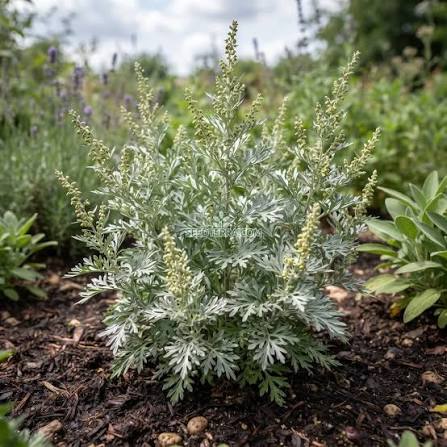
Classic Aromatic Perennial Herb: Absinthe Wormwood (Artemisia absinthium) is a distinctive perennial herb valued for its silvery foliage, strong fragrance, and long botanical history. It brings traditional cottage garden character to ornamental herb collections.
-
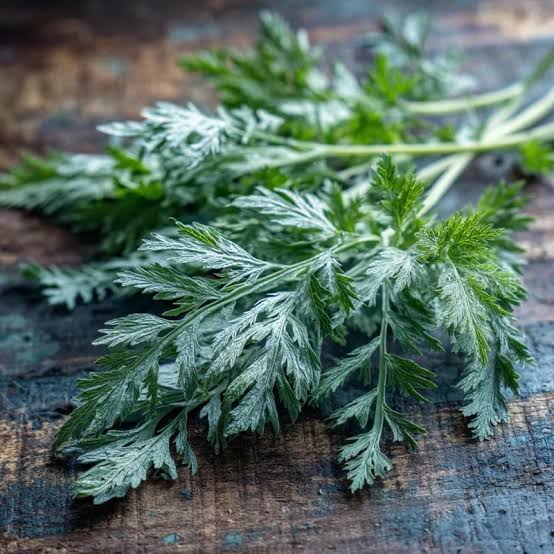
Beautiful Silvery-Gray Foliage: Produces finely divided, softly hairy leaves with a silver-green appearance. The foliage creates an elegant contrast against colorful flowers and dark green garden plants.
-
Strong Herbal Fragrance: Its leaves release an intense, bitter, sage-like aroma when handled. This characteristic fragrance makes Wormwood recognizable among traditional aromatic herbs.
-
Attractive Upright Growth: Develops branching stems from a perennial woody crown, creating a bushy, upright plant with delicate foliage and small yellowish flower heads.
-
Adaptable Ornamental Plant: Suitable for sunny herb borders, cottage gardens, gravel gardens, and large containers. Established plants tolerate moderately dry conditions when grown in well-draining soil.
Growing Benefits
-
Long-Lasting Perennial Growth: Established plants can return each spring in suitable climates, providing attractive foliage over multiple growing seasons.
-
Decorative Silver Foliage: The soft, silvery leaves create contrast with lavender, salvia, and other ornamental plants in mixed garden borders.
-
Aromatic Garden Interest: Strongly fragrant foliage adds a distinctive sensory element to botanical gardens and traditional herb collections.
-
Moderate Drought Tolerance: Once established, Wormwood can tolerate periods of reduced moisture, making it useful in well-drained, water-conscious ornamental plantings.
-
Traditional Botanical Heritage: Wormwood has a long history in European botanical traditions and is historically associated with absinthe and other bitter preparations.
Seed Specifications
-
Common Name: Absinthe Wormwood, Common Wormwood, Absinthium
-
Botanical Name: Artemisia absinthium
-
Plant Family: Asteraceae
-
Type: Aromatic Perennial Ornamental Herb
-
Plant Type: Herbaceous Perennial with a Woody Crown
-
Variety: Species Form
-
Flower Colors: Pale Yellow to Greenish Yellow
-
Foliage Color: Silvery Gray to Gray-Green
-
Stem Color: Gray-Green to Silvery Green
-
Height: Approximately 2–5 feet
-
Spread: Approximately 2–5 feet
-
Sunlight: Full Sun to Partial Shade
-
Soil: Well-Draining Sandy, Gravelly, or Loamy Soil
-
Soil pH: Adaptable to Slightly Acidic, Neutral, and Alkaline Conditions
-
Water Requirements: Moderate During Establishment; Low to Moderate Once Established
-
Germination Time: Often Approximately 14–30 Days; Germination May Be Slow or Irregular
-
Germination Temperature: Approximately 65–75°F for Indoor Seed Starting
-
Sowing Depth: Surface Sow or Cover Very Lightly
-
Plant Spacing: Approximately 3–5 Feet for Mature Plants
-
Growing Zones: Approximately USDA Zones 4–9, Depending on Local Conditions
-
Planting Season: Spring or Autumn
-
Flowering Season: Summer to Early Autumn
-
Growth Habit: Upright, Bushy, Branching Perennial
-
Native Region: Europe and Parts of Temperate Asia and North Africa
-
Uses: Ornamental Herb Gardens, Cottage Gardens, Botanical Collections, Gravel Gardens, and Large Containers
-
Seed Count Per Pack: 100 pcs
-
Special Characteristics: Strongly Aromatic Foliage, Silvery Leaves, Perennial Growth, Small Yellow Flowers
-
Safety: Contains biologically active compounds, including thujone; ingestion or concentrated extracts may be harmful.
-
Growth Caution: Can self-seed and become invasive in certain regions.
Growing Tips
-
Choose a Sunny Location: Plant Absinthe Wormwood where it receives at least six hours of direct sunlight daily. Full sun encourages sturdy growth and attractive silver foliage.
-
Maintain Excellent Drainage: Use well-draining sandy or loamy soil. Avoid persistently wet conditions because excessive moisture can contribute to root rot.
-
Avoid Excessive Fertilization: Wormwood generally performs well in moderately fertile soil. Too much fertilizer may encourage leggy stems and excessive soft growth.
-
Prune for Bushier Plants: Pinch young growing tips during spring to encourage branching. Cut back old growth when fresh basal shoots appear.
-
Prevent Unwanted Self-Seeding: Remove flower heads before seeds mature if you do not want additional plants appearing in surrounding garden beds.
-
Grow Responsibly: Check local invasive plant restrictions before planting. Container cultivation and prompt removal of seed heads can help reduce unwanted spread.
Seed Storage
-
Cool Storage: Keep Absinthe Wormwood seeds in a cool, stable environment away from direct sunlight and excessive heat.
-
Dry Conditions: Store thoroughly dried seeds in airtight containers or moisture-resistant seed packets.
-
Moisture Protection: Avoid excessive humidity and condensation that can encourage fungal growth or seed deterioration.
-
Proper Labeling: Label containers with the botanical name, seed collection date, and storage information.
-
Long-Term Preservation: Maintain cool, dry storage conditions and test older seed lots for germination before large-scale sowing.
Unique Facts About the Seeds
-
Historic Absinthe Connection: Artemisia absinthium is the species traditionally associated with the bitter botanical flavor of absinthe, although the plant itself is not safe for unrestricted consumption.
-
Distinctive Silver Color: The pale appearance of its foliage comes partly from fine hairs covering the leaves and stems, giving mature plants their characteristic silvery texture.
-
Member of the Daisy Family: Despite its very different appearance, Wormwood belongs to Asteraceae, the same botanical family as sunflowers, daisies, and chrysanthemums.
-
Long-Lived Perennial Crown: Established plants develop a persistent crown that can produce fresh shoots each spring after winter dormancy.
-
Prolific Seed Production: Mature plants can produce numerous small seeds that disperse into surrounding areas. This characteristic contributes to the species' ability to naturalize and become invasive in some regions.